My Two Cents: How President Biden’s Executive Order on AI Impacts the Practice of Law - it does and doesn't.

President Biden's recent Executive Order (Order) on Safe, Secure, and Trustworthy Artificial Intelligence marks a significant milestone in the governance of AI technologies. This comprehensive directive aims to establish robust standards for AI safety and security. Its goals include protecting privacy and civil rights while promoting innovation and protecting intellectual property rights. For attorneys, this announcement is of paramount importance as it directly impacts the practice of law, introducing new dimensions to legal compliance, ethical considerations, and the overall legal landscape. Legal innovators and industrialists like Jack Newton, CEO of CLIO, see this Order as an important step taken by the government: I am hopeful that the newly introduced AI legislation will not only uphold the highest standards of security and privacy but also ensure equitable access and unbiased application within legal frameworks.

Here is a summary of the impact it will have on lawyers:

AI Safety and Security:

The Order mandates developers of powerful AI systems to share safety test results and critical information with the U.S. government. For attorneys, this introduces a new layer of compliance and due diligence. Legal professionals will need to guide their clients through these requirements, ensuring that AI systems adhere to the mandated safety and security standards. This is particularly crucial for companies dealing with AI technologies that pose serious risks to national security or public health. Likewise, lawyers representing parties who have been harmed by a company's use of AI will need to know the latest in AI technology in order to advocate the best strategy for their clients.

Privacy and Data Protection:

With AI’s capability to extract and exploit personal data, the Order calls for heightened privacy protections. The directive’s emphasis on privacy-preserving techniques and evaluation of data collection practices necessitates an attorney’s thorough understanding of AI technologies and their implications on privacy. Attorneys will play a crucial role in advising clients on data protection strategies, ensuring compliance with privacy laws, and navigating the legal complexities of AI-driven data processing. Attorneys must also ensure their use of AI in their practice protects their client’s Personal Identifiable Information (PII).

Equity and Civil Rights:

The Order addresses the potential of AI to perpetuate discrimination and bias, particularly in sectors like housing, healthcare, and criminal justice. Legal professionals will need to stay vigilant, ensuring that AI systems employed by their clients do not result in discriminatory outcomes or violate civil rights. Likewise, Attorneys who are prosecuting parties using AI to discriminate against members of the public will need to have a solid understanding of how AI works in these matters.

Consumer Protection:
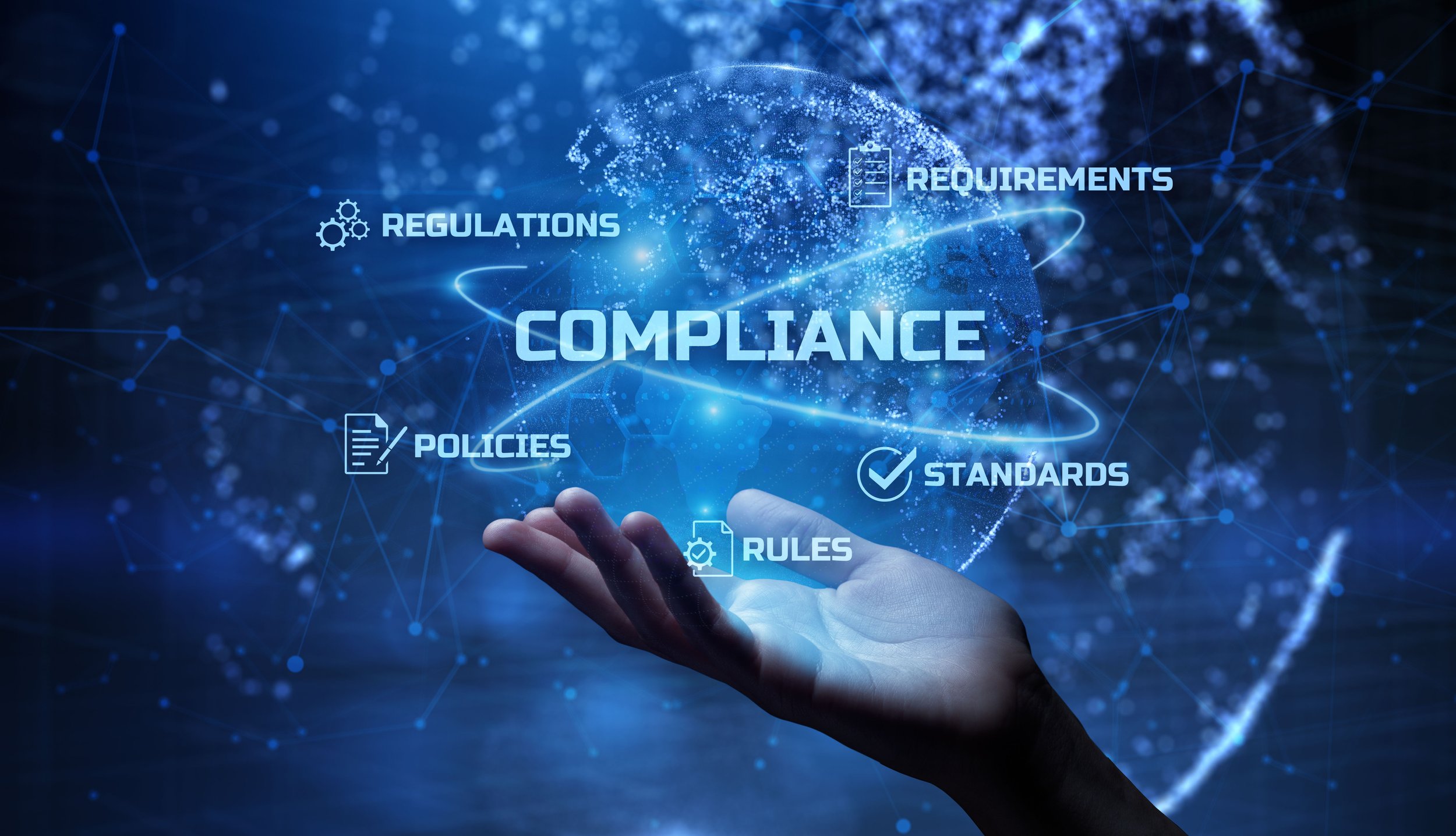
the president’s order will likley set forth new regulations and policies that will affect most practicing lawyers.

AI technologies can potentially transform consumer experiences but also raise concerns about potential harms and deceptive practices. The Executive Order calls for standards and best practices to detect AI-generated content and authenticate official communications. Attorneys working in consumer protection will need to familiarize themselves with these standards, advising clients on compliance, advising clients who are victims, and addressing potential legal challenges arising from AI-driven consumer interactions.

Immigration Law

Although the Order is not directly focused on immigration law, it could indirectly affect the field. One specific aspect of the Order calls for using existing authorities to expand the ability of highly skilled immigrants and nonimmigrants with expertise in critical areas, including AI, to study, stay, and work in the United States. This could lead to changes in visa criteria and processes, potentially affecting how immigration attorneys advise clients in the tech sector. The emphasis on AI could lead to a higher demand for skilled workers in this field, possibly influencing the landscape of employment-based immigration. Immigration lawyers may need to stay updated on any new policies or procedural changes resulting from this Order to guide their clients through the visa application process.

Supporting Workers:

The impact of AI on the workforce is a critical aspect of the Order. Attorneys specializing in labor law will find this directive particularly pertinent, as it addresses issues related to job displacement, workplace equity, and labor standards. Legal professionals will play a vital role in navigating the legal complexities of AI in the workplace, ensuring that workers’ rights are protected, and advising employer-clients on best practices to mitigate potential harms.

Promoting Innovation and Competition and Protecting Intellectual Property:

The Order emphasizes the need to maintain America’s leadership in AI innovation and competition. For attorneys working in intellectual property, technology, and antitrust law, this directive underscores the importance of fostering a competitive AI ecosystem while protecting intellectual property rights. Legal professionals will need to stay abreast of developments in AI technologies, advising clients on innovation strategies, and ensuring compliance with copyright, intellectual property, and antitrust laws.

Attorneys Working for the Government:

The Order will affect government attorneys twofold -

First, government attorneys must be abreast of the same issues discussed in this post, like any private attorney. Government attorneys basically have the same legal and ethical duties as private attorneys. They, too, have the same security, bias, privacy, civil rights, and intellectual property concerns private practitioners have with this Order.

Second, government attorneys will be tasked with ensuring that government agencies comply with enhanced AI safety and security protocols, protect privacy, advance equity, defend civil rights, and promote innovation while protecting intellectual property rights. They will also play a critical role in developing and enforcing guidelines for the ethical use of AI within federal operations, potentially influencing procurement processes and the deployment of AI in public services. Moreover, as the government seeks to lead by example in the responsible use of AI, these attorneys will be instrumental in setting precedents that could shape future AI governance across all sectors.

Conclusion:

Lawyers already have an ethical duty to stay abreast of technology advancements including ai.

It is not surprising that as AI continues to evolve, legal professionals will play a crucial role in guiding their clients through this complex terrain. But, the Order does not bring anything new to an attorney’s quiver of responsibilities. With or without the Order, attorneys already have the Model Rules of Professional Conduct to guide them on their duties around technology (including AI). The Rules require us to stay current on AI, its constant changes, and how it may impact their clients—whether attorneys are using AI to assist their clients or if their clients or those whom attorneys are advocating against are using AI in their business.  Reference Model Rules 1.1, 1.1[8], 1.3, 1.4 & 1.6.  So, don't let the Order serve as a starting point.  Let it serve as a reminder that we must stay competent in our use and understanding of technology as it applies to our work in the legal arena.

My Two Cents on Clio Cloud Conference 2023 – Clio sets the standard, ABA Techshow needs to catch up, and the other LPMs need to start…

Recall I attended the Clio Cloud Conference 2023 (CLIO Con) recently. It was a very full event.  They had the standard announcements: I say “standard” because when you go to an electronics/technology conference, you expect to hear about the new products and features.  And as I had blogged recently, CLIO had plenty to share – new features to their Law Practice Management (LPM) platform now and next year!  But lawyers and legal professionals were not just going to a tech show to see the new shiny products; attendees wanted to learn more about their LPM of choice.  And CLIO Con wholistically met their needs!

My 2023 clio cloud conference press pass!

The conference was more than announcing new features like you might expect at an Apple or Samsung product event.  (The opening and closing sessions definitely had the polish of an Apple product announcement). You can see from their agenda, CLIO Con provided use-case sessions, presentations on the tech issues of today and tomorrow, and actual hands-on training and follow-along sessions through workshops and on their vendor floor.  CLIO Con had the right mix!

The ABA Techshow has had similar presentations and overview sessions.  But it needs more hands-on or follow-along training.  This has been a complaint of mine over the years – don’t show me what can be done, i.e., the final product, without showing me how to do it.  (The vendor sessions provided on the vendor floor are not enough to get a real feel of the various platforms - only a cursory overview to entice new customers for further investigation.)  After attending my first ABA LP Division meeting, it’s my understanding that the ABA is going to provide more detailed presentations at next year’s Techshow - so stay tuned to my 2024 ABA Techshow reports early next year.

CLIO’s competitors need to start their own conferences. The various CRMs/LPMs platforms have similar and different uses, functions, and third-party integrations. So, as potential clients need to screen their next attorney, attorneys need to vet their CRM/LPM platform.  It greatly helps lawyers to have it all pulled together and to be immersed with like-minded people at one event  - it gives the potential/new/current user a holistic sense of how a particular platform can serve their practice.  Quite frankly, if the other platforms are not going to do something similar, they are going to be left in the dust by CLIO.

Clio Con 2024 will be in Austin October 7 and 8!

The event had the enthusiasm of a Saturn Car dealership without the fanaticism (no offense to any current or previous Saturn car owners). It was a positive event. I am not a CLIO user, but I did learn some ideas on how I may want to improve my own CRM/LPM platform with third-party integration and use cases. I will consider CLIO a strong contender if I decide to change platforms.

For the record, I asked for and received a press pass for the event.  If other platforms start their own conferences, I will certainly do my best to attend and report on the similarities and differences between them and CLIO.  Until that happens, and quite frankly, even if other platforms start to do their own conferences, I'd encourage any attorney, CLIO user or not, to attend the next CLIO Con: It is a polished event where you can learn more about what LPMs can do for your firm, get ideas for what you want out of your platform, and maybe you'll find that CLIO does or does not meet your needs.

MTC.

My two cents: Have phone calls gone the way of the Dodo for Attorneys?

should attorneys still use phones for communications? Or has it gone the way of the dodo?

The blog post "Have Phone Calls Gone the Way of the Tin Can and String?" from Carolyn Elefant of MyShingle.com and an article from the Washington Post titled "The new phone call etiquette: Text first and never leave a voice mail" make me wonder if the use of "phone calls" is still a practical tool for attorneys in the age of advanced technology. Let's put this in a little context: Phone calls have existed for 147 years, with the iPhone being around for 16 years. The way we make calls has changed significantly with technological advancements, such as making calls on smartwatches and seeing voicemails transcribed in real time. But with the advances in texting, instant messaging, emails, and video calls, do we lawyers really need to be making phone calls today?

First, let's look at the Washington Post's Phone Etiquette Guidance for 2023:

  • Don't Leave a Voicemail: Voicemails are considered outdated due to the prevalence of text messages. It's often better to send information in written form, like a text or email. However, exceptions include sending heartfelt messages to close ones.

  • Text Before Calling: It's polite to text someone before calling them. This gives the recipient a heads-up and allows them to prepare for the conversation.

  • No Obligation to Answer: Just because someone calls doesn't mean you have to answer immediately. It's okay to mute the call and respond when convenient.

  • Emotions vs. Facts: Emotional or nuanced conversations are better over the phone, while factual updates or coordination can be done via text.

  • Video Voicemails: Apple's iOS 17 introduced a feature allowing users to leave video messages. While fun, not everyone appreciates them.

Are the use of phone calls in the work environment extinct?

  • Video Call Etiquette: During video calls, it's best to stay still and ensure your entire face is visible. Moving around can be disorienting for the other party.

  • Avoid Speakerphone in Public: It's considered impolite to use speakerphone in public places. If in a crowded area, be mindful of the volume and personal space.

  • Screen Calls: Apple's new feature in iOS 17 transcribes voicemails in real time, allowing users to decide whether to answer the call based on the transcription.

  • Phone Calls Still Matter: Despite the shift in communication methods, phone calls remain a valuable way to connect with others and foster relationships.

This may work with the general public. But I think this needs to be refined for lawyers.

My general phone guidance for lawyers in this new technology age:

Leave a Voicemail (not a video voicemail)/Don't Text Before Calling: Your clients may not be as tech-savvy as you are, so it would be impractical to not leave a voice mail for clients who do not know how to text. Further, it opens the door for clients to text you back at all hours (and may unrealistically expect an immediate text back – remember, set office policies with your clients, opposing counsel, and the general public about when they should expect communications to be returned - the send later function on email is great for when you are working late at night or on the weekends and you don't want everyone else to know). No one has the general ability to text government offices and government employees who do not have an office mobile phone. And if you text them on their personal phones, there may be a confidentiality issue.

WHen you use technology communications make sure you are using proper etiquette!

Be Very Mindful When Speaking in Public (speakerphone or not): If you are on a call in public, make sure the client is okay with this situation. When talking with a client, attorney, or other party about a case, be mindful to, at very minimum, not discuss the client's name. You don't want to breach any confidentiality issues. Depending on the notoriety of your client base, you may not want to talk about your "anonymous" client in public at all. Regardless, you never want the other party on speaker phone should they inadvertently reveal confidential information or their voice is obvious to the public!

Email (for conveying facts or creating a record) over phone calls (for general client relations):  Do use email when you are trying to inform the recipient of facts. Do you use email when you need to create a record of the communication (there are some parties, e.g., a handful of attorneys, that I have dealt with who can't always be trusted to remember the details of the phone call). It is sometimes simpler (and safer) just to send an email. Or, at the very minimum, send an email for a post-call record.

Obligation to Answer (but you can still screen calls): Just because someone calls doesn't mean you have to answer immediately. It is okay to mute the call and respond when convenient. But make sure that you have a receptionist (or at least a virtual receptionist, I use Smith.AI to answer your calls. The receptionist can reach out to you. Once contacted, you can choose to accept the call, screen it, or request the receptionist to convey a message or inform the caller of a later return call or follow-up email.

Use Voice Mail as a Backup: You should make sure that your line(s) has a working voicemail should no one be available. Note:  Even though I have a 24-hour answering service with Smith.AI, they can sometimes get overloaded with multiple callers. So, it's good to have a backup. With today's virtual and technological advances, setting up a voice mail is not something hard to provide your clients and potential clients. This concept is certainly not new - Doctors have had phone services to contact them on beepers for decades prior to today.

Phone calls play an important role in my office communications. Today, I meet almost all of my potential clients for the first time over the phone. We conduct initial consultations by phone. Remember, I have clients not only from across the country but also from all over the world. If we move forward with representation, our communications will move mostly to email and some phone calls. If we have a hearing with the VA (via the Board of Veterans Appeals), they are almost always by video. Phone calls may be "old-fashioned" and not quite fit in today's phone etiquette, but they are here for now!

MTC

My Two Cents: Did a Federal Judge in NC go too far in banning Docket Management Tools?

My Two Cents: Did a Federal Judge in NC go too far in banning Docket Management Tools?

A recent Order by a Federal Court Judge in North Carolina restricts lawyers from utilizing third-party automated docket management tools) due to concerns regarding unauthorized access to sealed documents, prompting ethical and operational dilemmas within the legal community.

Read More

My Two Cents: Weatherproofing Legal Practice: Steps Lawyers Must Take To Mitigate Disruptions From Power And Internet Failures Caused By Climate Change.

My Two  Cents:  Weatherproofing Legal Practice: Steps Lawyers Must Take To Mitigate Disruptions From Power And Internet Failures Caused By Climate Change.

Weatherproofing legal practice requires recognizing climate change-induced risks to power and internet systems and implementing strategies like backup power and diversified internet connections to mitigate disruptions in the legal profession.

Read More