

Word(s) of the Week: Understanding the Evolution of Artificial Intelligence: From AI to Generative AI to AI LLMs — and Why It Matters for Today’s Legal Professionals ⚖️🤖
/
lawyers need to understand what AL LLM can and can’t do!
Artificial Intelligence (AI) is transforming the legal industry, yet confusion still exists about what different terms mean — and why they matter. Terms like AI, Generative AI, and AI LLM (Large Language Model) are often used interchangeably, but they describe very different levels of capability. Understanding these distinctions is essential for attorneys navigating new professional responsibilities and compliance expectations under the ABA Model Rules. Let’s break down what each term means, why the progression matters, and what the next step—AI LLMs—means for legal practice.
AI: The Foundation of Machine Intelligence
Traditional AI refers to systems designed to perform tasks that require human-like intelligence. These tasks include pattern recognition, data sorting, predictive analytics, and document classification. For example, early e-discovery tools that identify relevant documents in large datasets use AI algorithms to flag patterns.
In legal practice, this type of AI boosted efficiency but remained narrow in function. Lawyers controlled the inputs and closely supervised the outcomes. Under ABA Model Rule 1.1 (Competence), using such tools responsibly required understanding their purpose and reliability, not their coding. Attorneys had to ensure that outputs were accurate and ethically sound.
Generative AI: Creating, Not Just Sorting
As technology evolved, so did AI’s capabilities. Generative AI differs from basic AI because it creates content instead of just classifying it. These models generate text, images, code, and even legal-style drafts based on training data. Tools like ChatGPT, which fall under this category, can draft letters, summarize cases, or brainstorm argument strategies.
Generative AI introduces profound efficiency benefits. A solo practitioner, for example, can use AI to prepare first drafts of client letters or marketing content quickly. The risk, however, is accuracy. Because these models generate content probabilistically, they can “hallucinate” — producing incorrect or fabricated information that sounds authoritative.
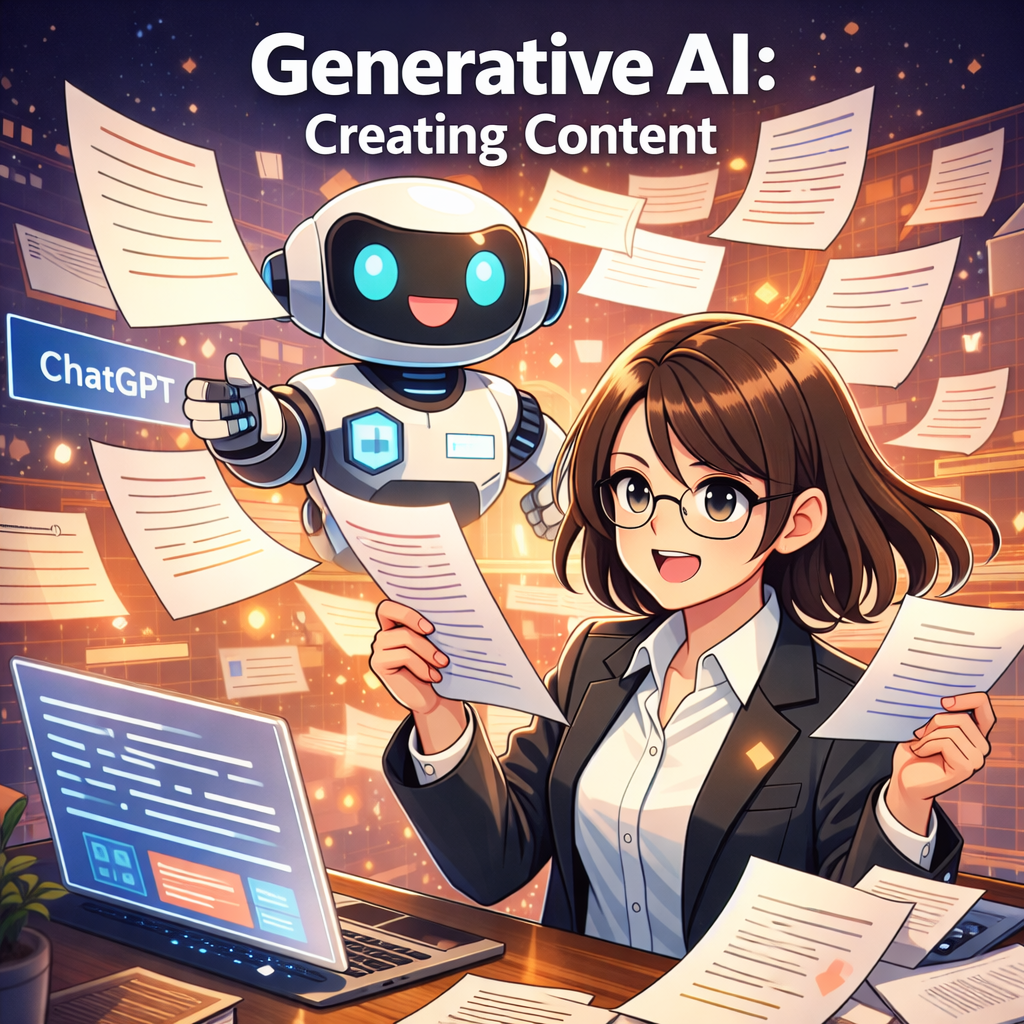
Generative ai is great at creating contENt - just watch out for hallucinations!
Under ABA Model Rule 5.3 (Supervision of Nonlawyer Assistants), lawyers must exercise oversight over tools like these since they function similarly to an assistant. Lawyers must verify all AI-generated output before use, maintaining professional independence and ethical standards.
AI LLMs: The Next Step in Practice Intelligence
AI LLMs — large language models — represent the next and most transformative step. Unlike earlier forms of AI, LLMs process massive datasets and can understand nuance, intent, and context in human language. This allows them to perform legal research, summarize filings, analyze contracts, and even simulate case strategies.
The key difference is scale and sophistication. LLMs learn not only from pre-set instructions but also by understanding the relationships between words and concepts. This contextual learning enables attorneys to interact with these systems conversationally. For example, an LLM-based research assistant can respond to a query such as, “Find Illinois cases interpreting non-compete clauses after 2023,” and then produce accurate summaries or citations.
Yet with great capability comes heightened responsibility. ABA Model Rule 1.6 (Confidentiality) applies when attorneys input client data into online tools. If the platform is public or cloud-based, lawyers must assess data handling, encryption, and privacy policies. Additionally, per Model Rule 1.1, competence now includes understanding how LLMs generate and manage information.
Why the Distinction Matters
The distinction between AI, Generative AI, and AI LLMs matters because it affects how attorneys use the technology within ethical, secure boundaries. A misstep in understanding can result in breached confidentiality, inaccurate filings, or ethical violations.
✅ AI assists.
✅ Generative AI creates.
✅ AI LLMs reason and interact.
In practical terms, lawyers need to update policies, train staff, and disclose use of these tools when appropriate. Law firms that adopt LLM-based platforms responsibly will gain a competitive advantage through increased efficiency and improved client service — without compromising professional duties.
Looking Ahead
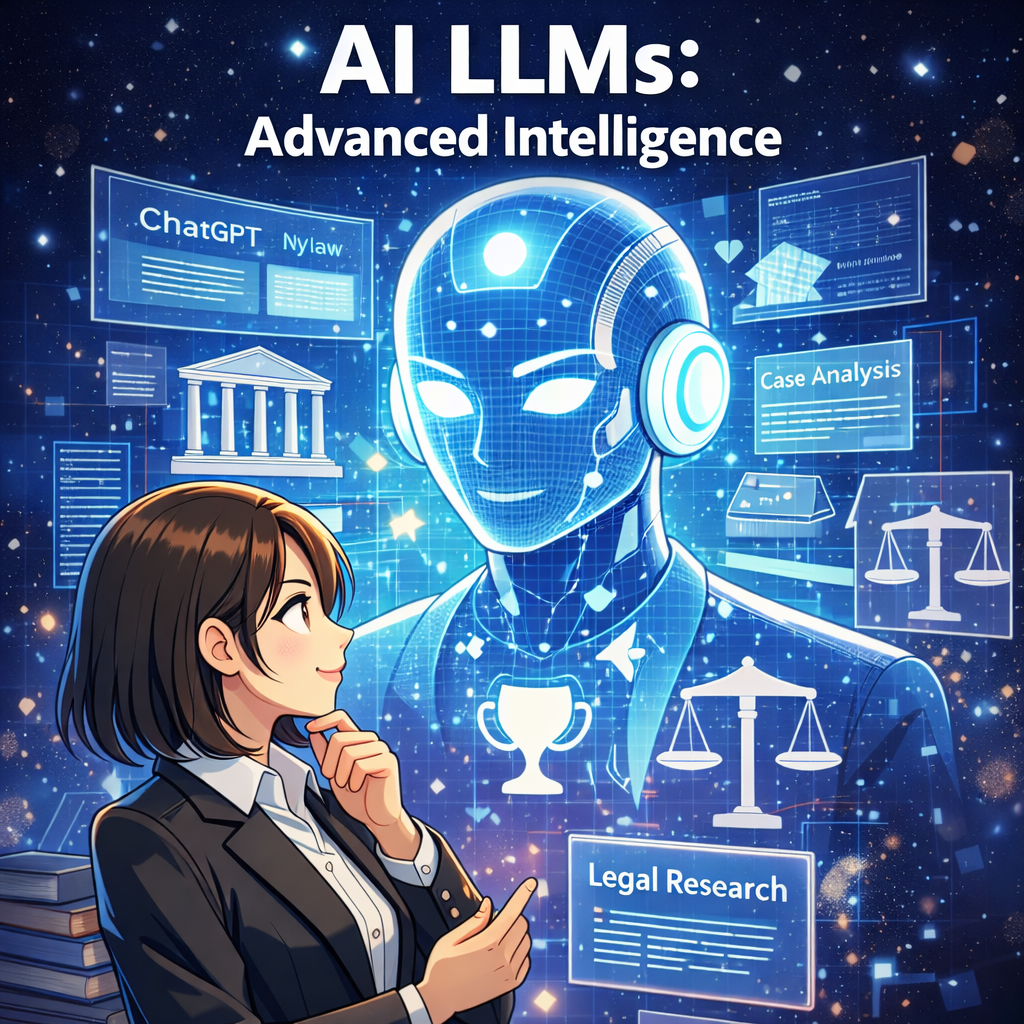
Lawyers who use ai llms can save hours of menial work - always check your work!
AI LLMs are not replacing lawyers; they are amplifying their insight and reach. Attorneys who stay informed and practice technological competence will thrive in this next phase of digital legal service. The evolution from AI to Generative AI to LLMs represents not just a technological shift, but a professional one — requiring careful balance between innovation, ethics, and human judgment. ⚖️