
🎙️ Carolyn Elefant Confirmed as First Speaker for The Lawyer’s Podcasting Conference!
/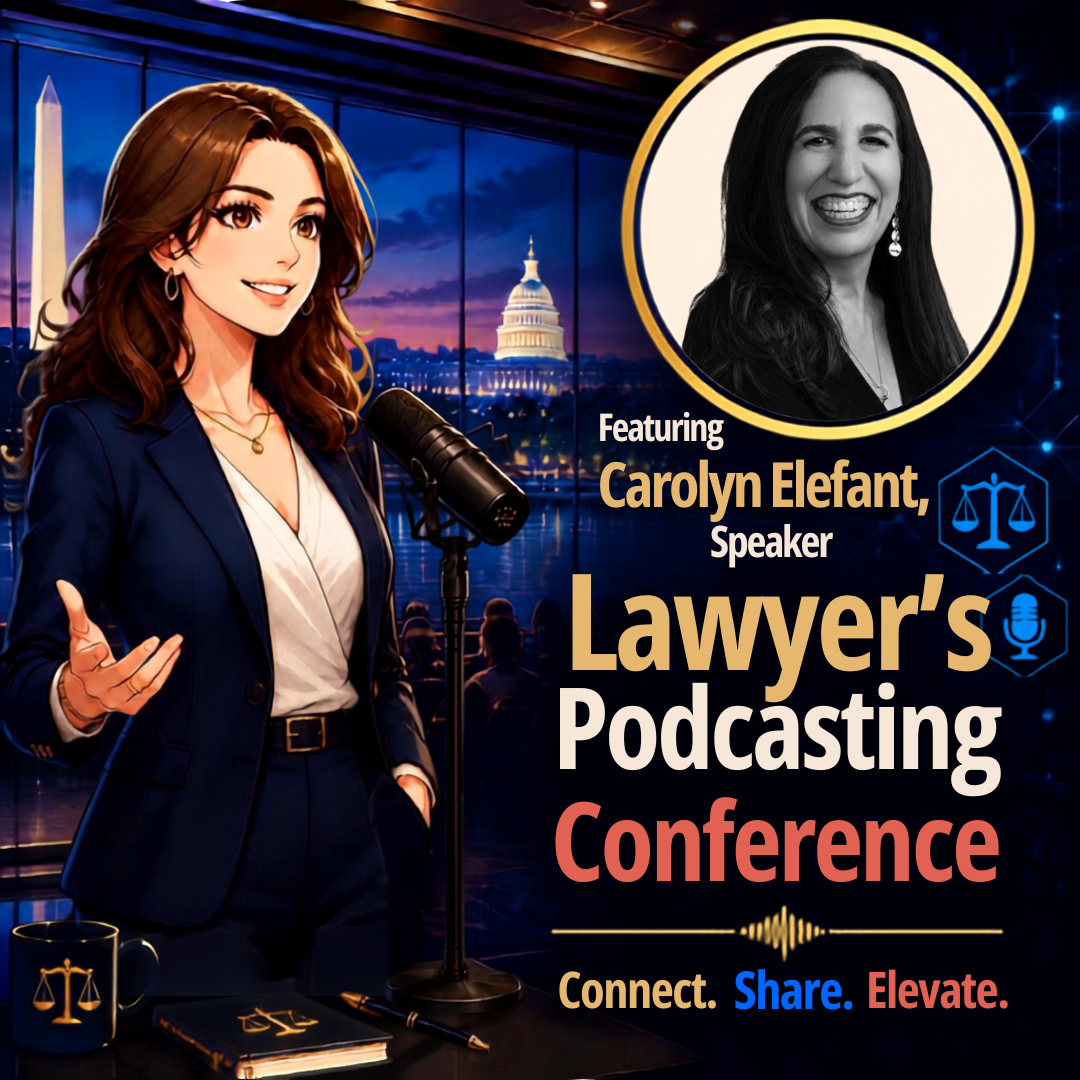
I am pleased to announce the first confirmed speaker for The Lawyer’s Podcasting Conference: Carolyn Elefant, the lawyer, author, mentor, and longtime force behind My Shingle. ⚖️
Carolyn will join us in McLean, Virginia, on Friday, November 13, and Saturday, November 14, 2026, for two days devoted to helping lawyers create podcasts that build authority, serve their audiences, and hold up under professional scrutiny.
The event will be held at 1765 Greensboro Station Place, 9th Floor, McLean, Virginia 22102, roughly one minute on foot from the Greensboro Metro station on the Silver Line. That means attendees can arrive from Dulles or Reagan National by train, walk to the venue, and spend their time thinking about their show rather than their rental car. 🚇
Carolyn is the first confirmed faculty member aside from me, your host and presenter, and I could not be more pleased to begin the speaker announcements with her.
Why Carolyn belongs in this room
For decades, Carolyn has provided independent lawyers with serious, practical guidance on building sustainable practices. Through My Shingle, her writing, and her work in the solo and small-firm legal community, she has consistently addressed the questions that arrive after the easy answers run out:
How do lawyers build an independent practice without compromising judgment?
How do we communicate our value without overselling?
How do we adopt new methods and technology without losing sight of professional duties?
How do we create work that is sustainable rather than merely busy?
Those questions sit at the center of lawyer podcasting.
A podcast can be a powerful professional platform. It can make a lawyer easier to find. It can demonstrate substantive knowledge. It can introduce a lawyer’s voice and judgment before a prospective client ever makes contact. It can strengthen referral relationships and build a library of useful, durable content.
But the same microphone that helps a lawyer reach an audience can also create ethical problems at scale. A casual client story can disclose more than intended. A promotional claim can travel across jurisdictions. A discussion of a pending matter can create risk. A contractor, editor, virtual assistant, or AI tool can introduce questions of supervision, confidentiality, and verification.
Carolyn’s perspective will help keep the conference grounded in the reality of independent practice. 🎧
The ethics session is the centerpiece
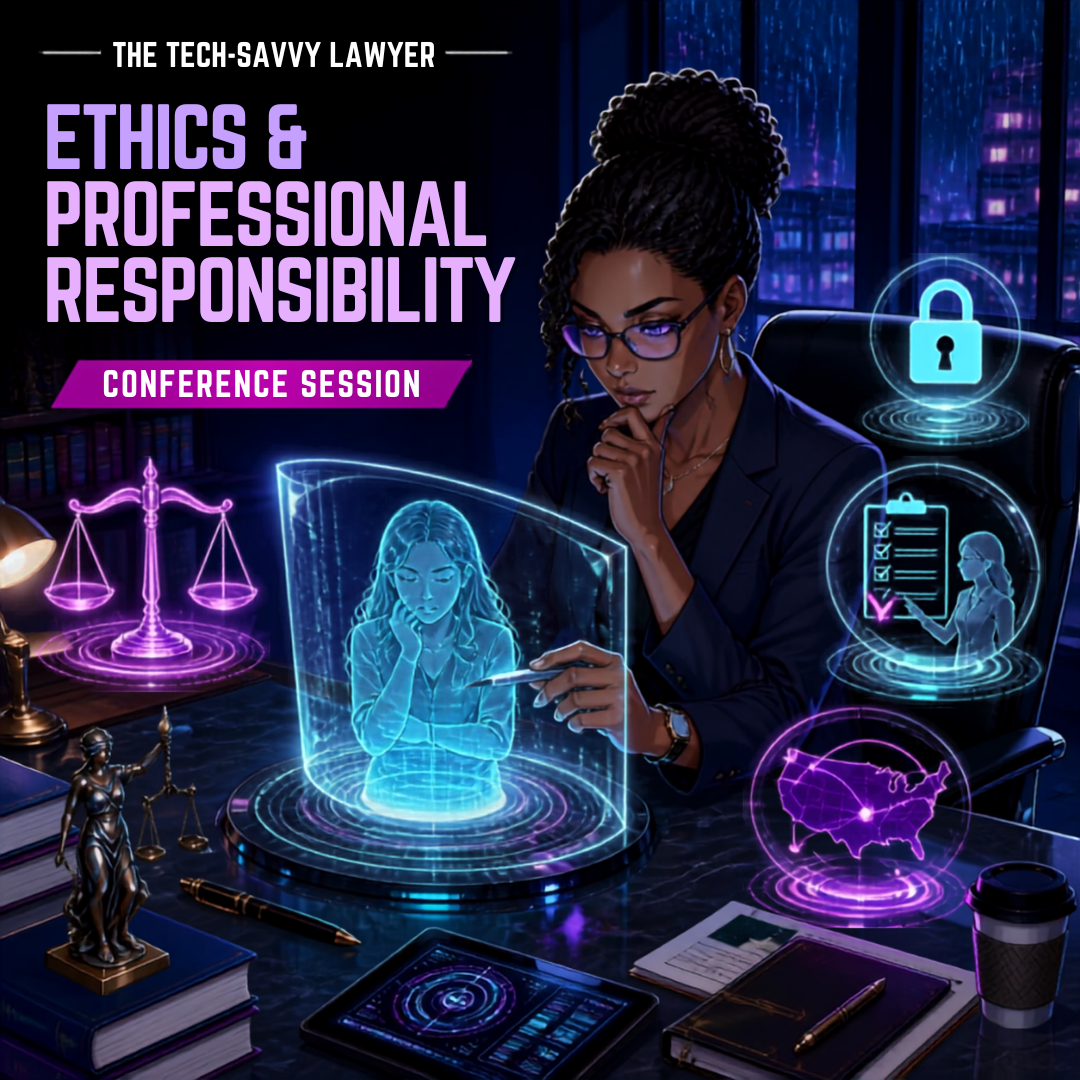
The conference’s ethics block is not an obligatory closing slide. It is being designed as a dedicated CLE-oriented session and working exercise.
We will examine the practical rules that lawyer-podcasters need to understand before they publish.
Model Rule 1.6 is where client stories begin. “Anonymous” does not always mean unidentifiable. Details that feel harmless in isolation can identify a client when assembled by someone who knows the matter. Written informed consent is often the safer choice when a story is recognizable or commercially useful.
Rules 7.1 through 7.3 matter because a podcast can be a communication about a lawyer’s services. The analysis does not stop at federal or ABA language. Lawyers must also examine the advertising and solicitation rules in the jurisdictions where they practice and where their content is directed.
Rule 5.5 matters the moment a locally focused show reaches a national audience. A podcast host should understand the line between legal education and individualized legal advice, especially when listeners begin asking questions in comments, direct messages, or follow-up calls.
Rule 1.1, including Comment 8, addresses technological competence. The duty is not to become an audio engineer. It is to understand the benefits and risks of the technology a lawyer uses. That includes recording platforms, hosting services, transcription tools, AI-assisted editing, synthetic media, and the systems that distribute content beyond the lawyer’s direct control.
Rule 5.3 applies when nonlawyers assist with production. An editor, assistant, agency, or technology vendor can make podcasting manageable. The lawyer still has obligations to choose, instruct, and supervise those providers appropriately. That includes reviewing transcripts and show notes before publication, protecting client information, and maintaining final judgment over the content.
As I discussed in MTC: Hidden AI, GEO, and the ABA Model Rules, the question is not whether AI or discoverability tools are arriving in legal marketing. They are here. The question is whether lawyers will use them with care, transparency, and professional discipline. 🔎
What attendees will build
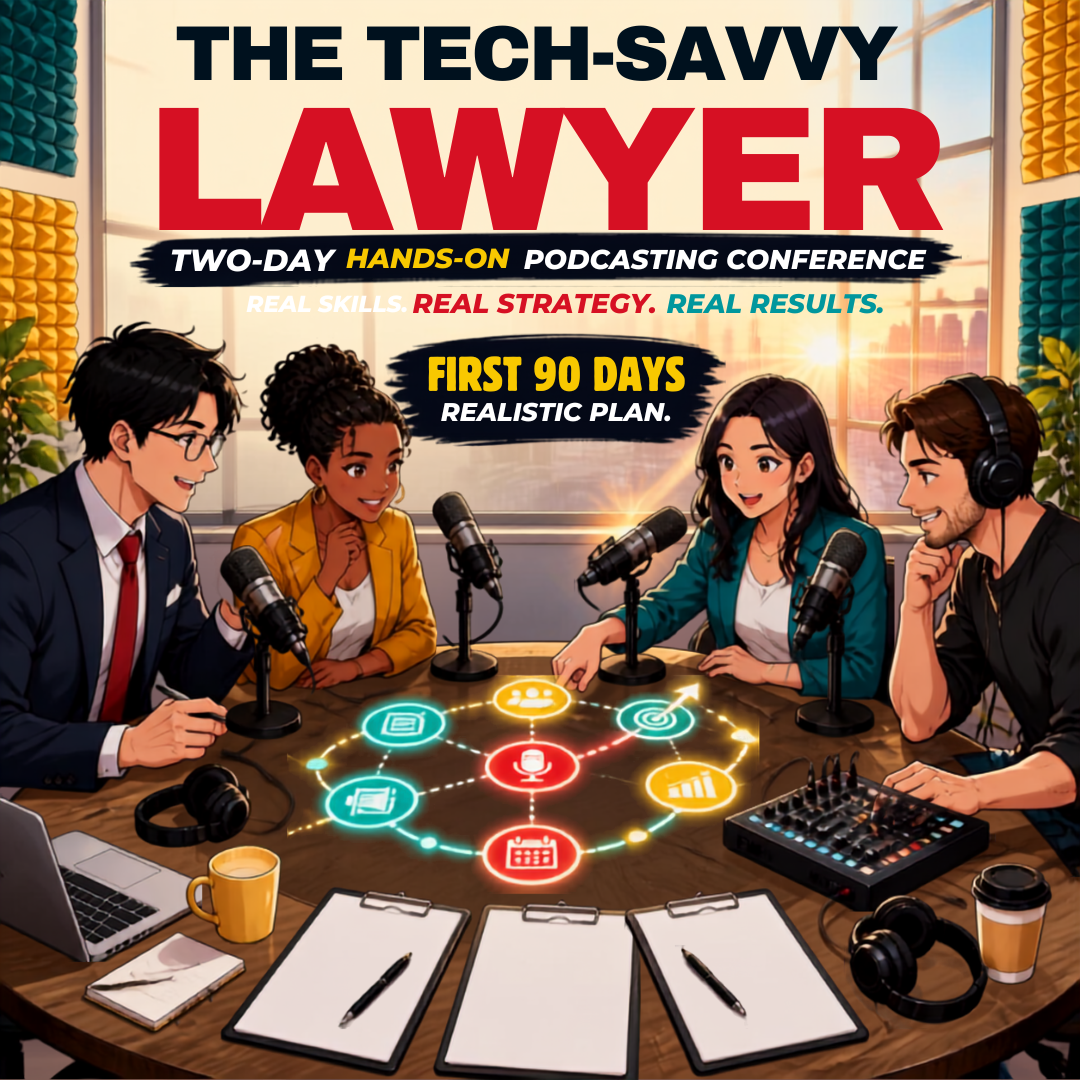
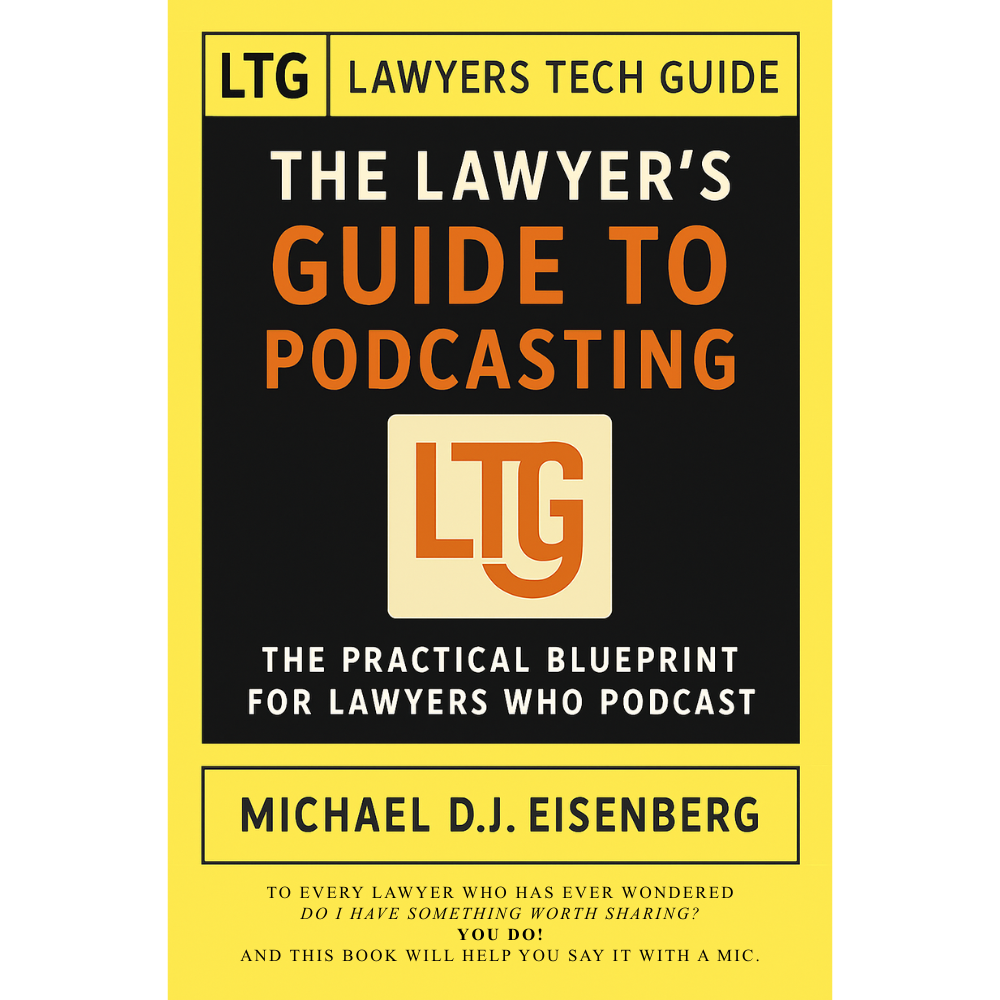
The conference follows the practical spine of The Lawyer’s Guide to Podcasting, then takes the work beyond the page.
Day One focuses on the strategic foundation: why lawyers should podcast, choosing a viable topic and audience, selecting a format, understanding SEO and GEO, and choosing equipment that fits the lawyer’s actual goals and budget. We are also planning hands-on gear work and a live recording with a candid teardown. 🎛️
Day Two moves from recording to publication: guest preparation and releases, editing and human review, show notes, hosting, RSS ownership, directories, distribution, marketing, repurposing, and the systems that keep a show alive after the initial excitement fades.
Then comes the ethical and operational work. Attendees will identify the rules that govern their own practices, choose a sustainable cadence, and leave with a realistic first-ninety-days plan.
A lawyer with a static bio page is easy to overlook. A lawyer with a thoughtful body of episodes, transcripts, show notes, and professional judgment is building a record that clients, referral sources, search engines, and AI answer tools can discover. The work still must be accurate. It must be ethical. And it must sound like the lawyer behind it. 🎙️
Carolyn’s confirmation is an excellent beginning. More faculty announcements are coming as they are finalized. Registration will open soon.
For now, reserve November 13–14, 2026, and follow the conference updates. Bring the show you have been meaning to start.