🎙️ Carolyn Elefant Confirmed as First Speaker for The Lawyer’s Podcasting Conference!

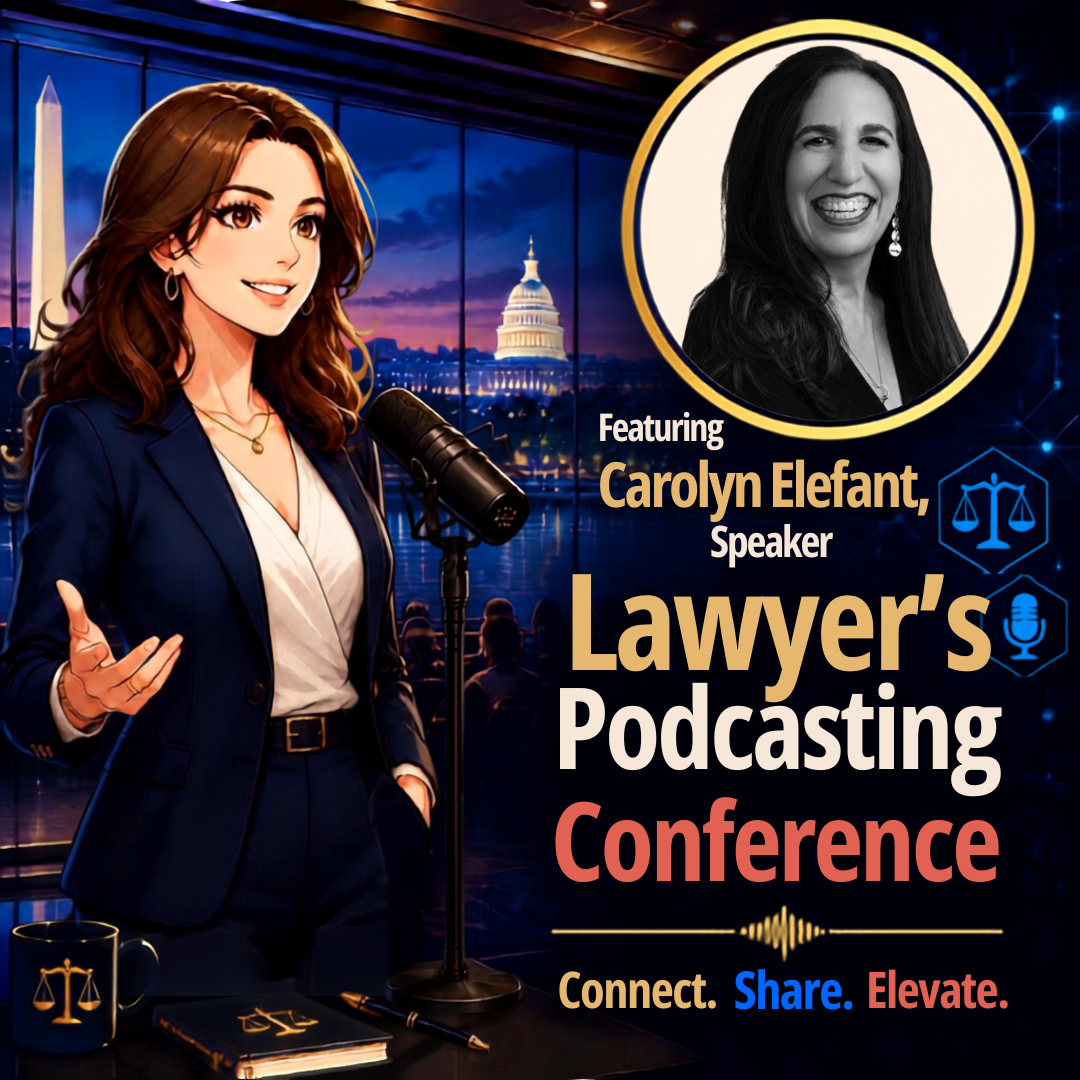
I am pleased to announce the first confirmed speaker for The Lawyer’s Podcasting Conference: Carolyn Elefant, the lawyer, author, mentor, and longtime force behind My Shingle. ⚖️

Carolyn will join us in McLean, Virginia, on Friday, November 13, and Saturday, November 14, 2026, for two days devoted to helping lawyers create podcasts that build authority, serve their audiences, and hold up under professional scrutiny.

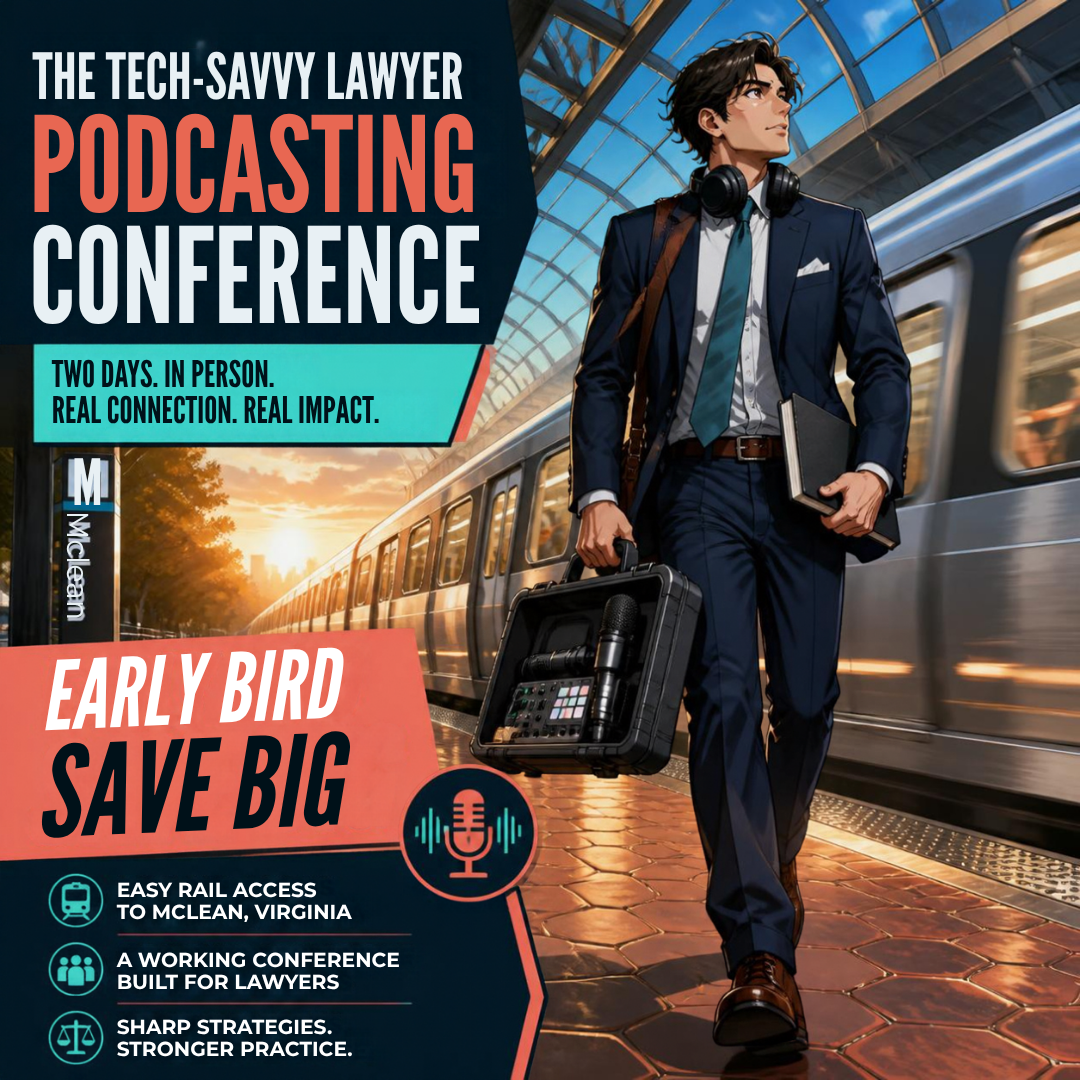
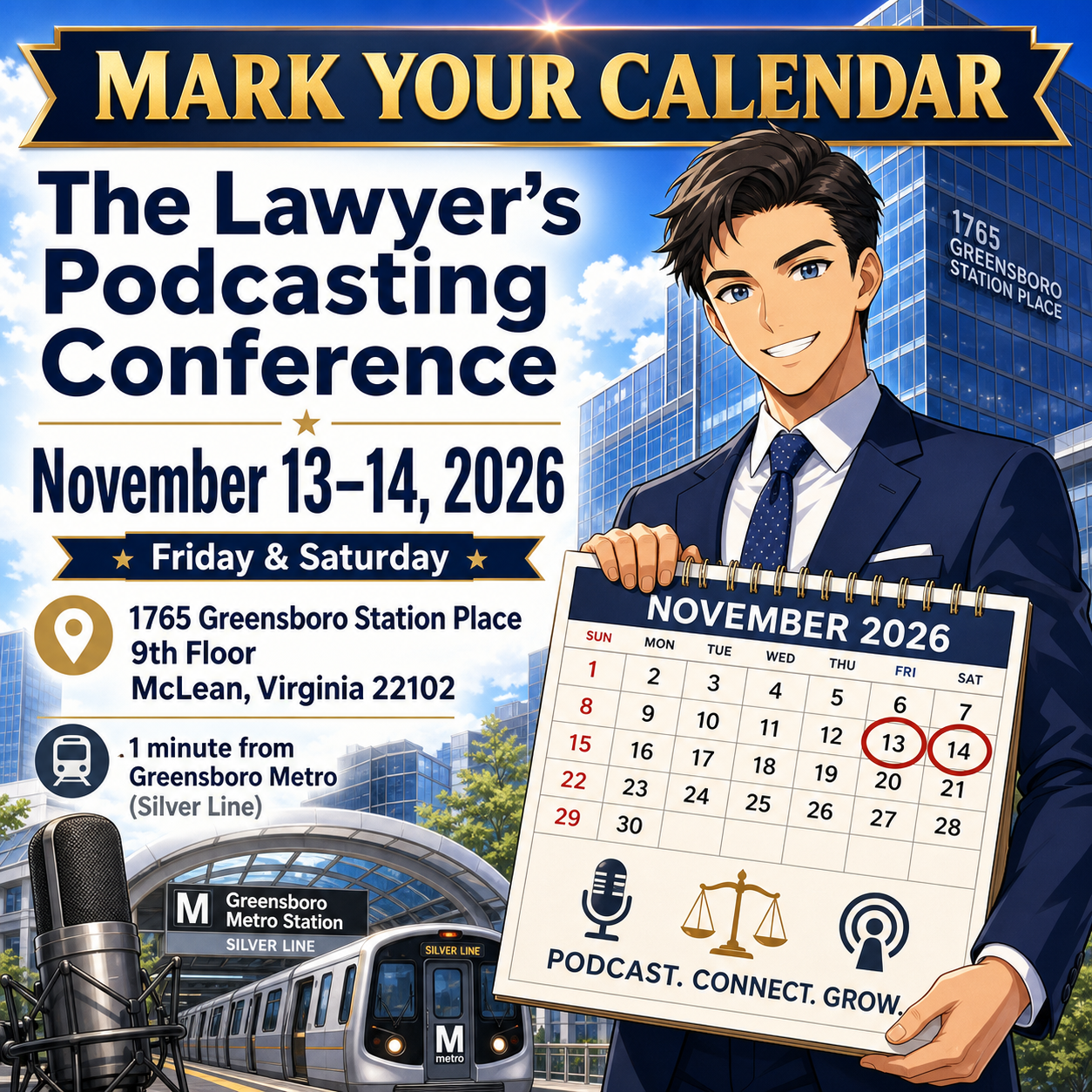
The event will be held at 1765 Greensboro Station Place, 9th Floor, McLean, Virginia 22102, roughly one minute on foot from the Greensboro Metro station on the Silver Line. That means attendees can arrive from Dulles or Reagan National by train, walk to the venue, and spend their time thinking about their show rather than their rental car. 🚇

Carolyn is the first confirmed faculty member aside from me, your host and presenter, and I could not be more pleased to begin the speaker announcements with her.

Why Carolyn belongs in this room

For decades, Carolyn has provided independent lawyers with serious, practical guidance on building sustainable practices. Through My Shingle, her writing, and her work in the solo and small-firm legal community, she has consistently addressed the questions that arrive after the easy answers run out:

  • How do lawyers build an independent practice without compromising judgment?

  • How do we communicate our value without overselling?

  • How do we adopt new methods and technology without losing sight of professional duties?

  • How do we create work that is sustainable rather than merely busy?

Those questions sit at the center of lawyer podcasting.

A podcast can be a powerful professional platform. It can make a lawyer easier to find. It can demonstrate substantive knowledge. It can introduce a lawyer’s voice and judgment before a prospective client ever makes contact. It can strengthen referral relationships and build a library of useful, durable content.

But the same microphone that helps a lawyer reach an audience can also create ethical problems at scale. A casual client story can disclose more than intended. A promotional claim can travel across jurisdictions. A discussion of a pending matter can create risk. A contractor, editor, virtual assistant, or AI tool can introduce questions of supervision, confidentiality, and verification.

Carolyn’s perspective will help keep the conference grounded in the reality of independent practice. 🎧

The ethics session is the centerpiece

The conference’s ethics block is not an obligatory closing slide. It is being designed as a dedicated CLE-oriented session and working exercise.

We will examine the practical rules that lawyer-podcasters need to understand before they publish.

Model Rule 1.6 is where client stories begin. “Anonymous” does not always mean unidentifiable. Details that feel harmless in isolation can identify a client when assembled by someone who knows the matter. Written informed consent is often the safer choice when a story is recognizable or commercially useful.

Rules 7.1 through 7.3 matter because a podcast can be a communication about a lawyer’s services. The analysis does not stop at federal or ABA language. Lawyers must also examine the advertising and solicitation rules in the jurisdictions where they practice and where their content is directed.

Rule 5.5 matters the moment a locally focused show reaches a national audience. A podcast host should understand the line between legal education and individualized legal advice, especially when listeners begin asking questions in comments, direct messages, or follow-up calls.

Rule 1.1, including Comment 8, addresses technological competence. The duty is not to become an audio engineer. It is to understand the benefits and risks of the technology a lawyer uses. That includes recording platforms, hosting services, transcription tools, AI-assisted editing, synthetic media, and the systems that distribute content beyond the lawyer’s direct control.

Rule 5.3 applies when nonlawyers assist with production. An editor, assistant, agency, or technology vendor can make podcasting manageable. The lawyer still has obligations to choose, instruct, and supervise those providers appropriately. That includes reviewing transcripts and show notes before publication, protecting client information, and maintaining final judgment over the content.

As I discussed in MTC: Hidden AI, GEO, and the ABA Model Rules, the question is not whether AI or discoverability tools are arriving in legal marketing. They are here. The question is whether lawyers will use them with care, transparency, and professional discipline. 🔎

What attendees will build

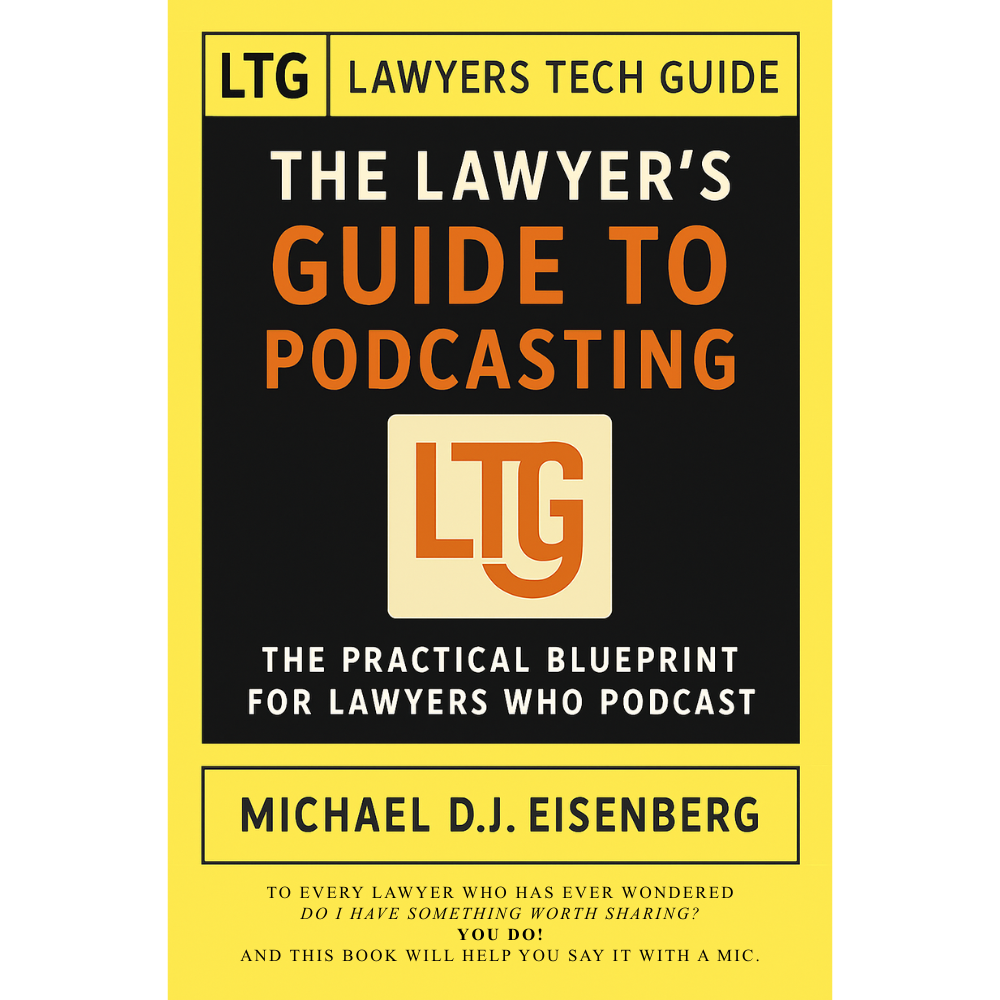
The conference follows the practical spine of The Lawyer’s Guide to Podcasting, then takes the work beyond the page.

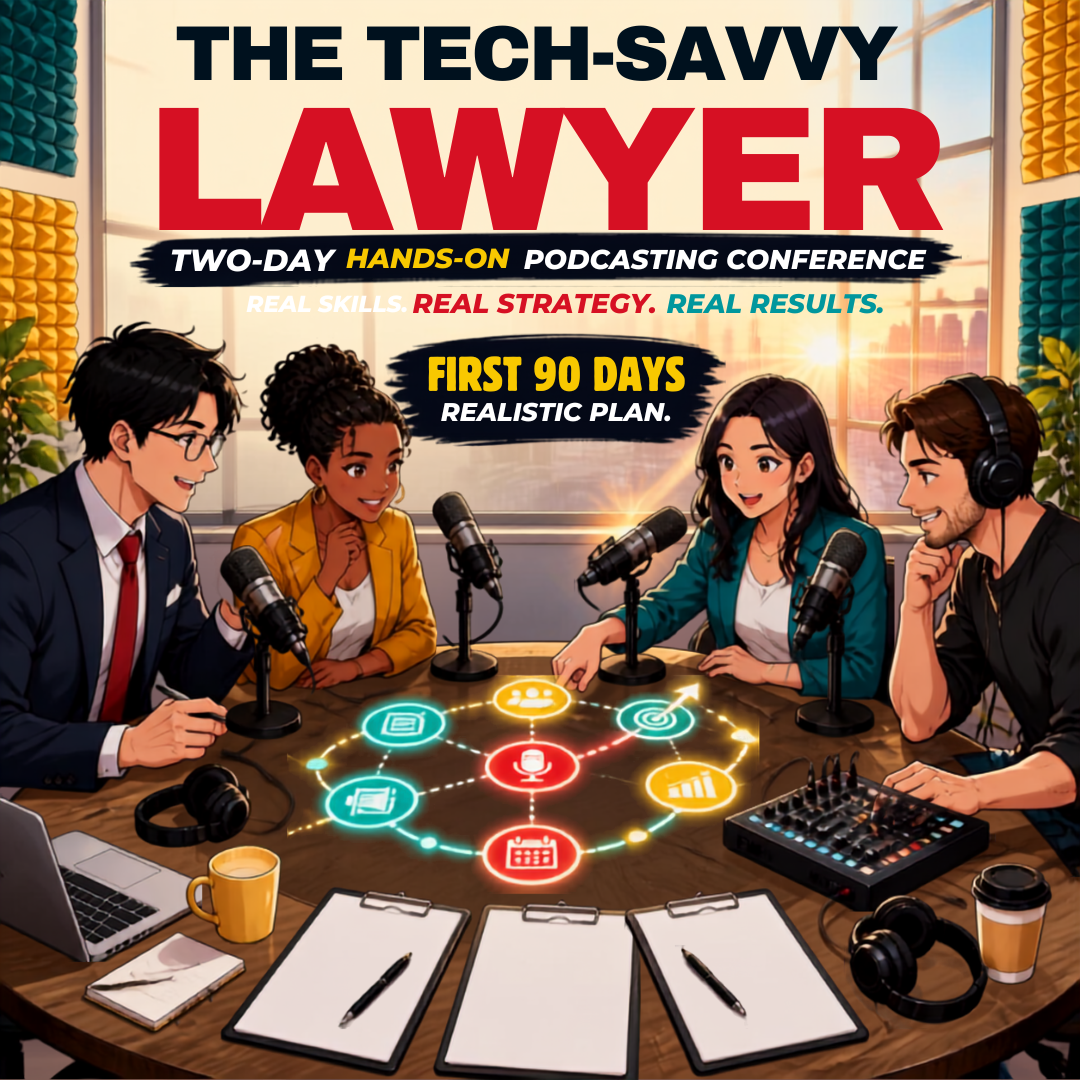
Day One focuses on the strategic foundation: why lawyers should podcast, choosing a viable topic and audience, selecting a format, understanding SEO and GEO, and choosing equipment that fits the lawyer’s actual goals and budget. We are also planning hands-on gear work and a live recording with a candid teardown. 🎛️

Day Two moves from recording to publication: guest preparation and releases, editing and human review, show notes, hosting, RSS ownership, directories, distribution, marketing, repurposing, and the systems that keep a show alive after the initial excitement fades.

Then comes the ethical and operational work. Attendees will identify the rules that govern their own practices, choose a sustainable cadence, and leave with a realistic first-ninety-days plan.

A lawyer with a static bio page is easy to overlook. A lawyer with a thoughtful body of episodes, transcripts, show notes, and professional judgment is building a record that clients, referral sources, search engines, and AI answer tools can discover. The work still must be accurate. It must be ethical. And it must sound like the lawyer behind it. 🎙️

Carolyn’s confirmation is an excellent beginning. More faculty announcements are coming as they are finalized. Registration will open soon.

For now, reserve November 13–14, 2026, and follow the conference updates. Bring the show you have been meaning to start.

🎙️ Save the Date: The Lawyer's Podcasting Conference Comes to the DC Metro Area November 13–14, 2026 ⚖️

Mark your calendar. 🗓️ The Lawyer's Podcasting Conference has dates, and it has an address.

save the date, the location is set, more to come!

We are gathering on Friday, November 13, and Saturday, November 14, 2026, at 1765 Greensboro Station Place, 9th Floor, McLean, Virginia 22102. The building sits roughly one minute on foot from the Greensboro Metro station on the Silver Line (Boro Station property details). Fly into Dulles or Reagan National, ride the train, walk to the ninth floor. No rental car. Whole Foods and a dozen restaurants sit within two minutes on foot, which matters when eighty lawyers need lunch at once. 🚇

I announced this event back in July, when the dates were still tentative (Announcing the Lawyer's Podcasting Conference). They are locked now. Reserve them.

Why a whole conference about lawyers and microphones? 🤔

Because the alternative is worse. Your prospective clients are asking an AI assistant, “Who handles their kind of problem?” That assistant answers from indexed, structured, attributable content. A lawyer with sixty published episodes, transcripts, and show notes is discoverable. A lawyer with a static bio page is a rumor.

I have written about this shift and its ethical edges before, in MTC: Hidden AI, GEO, and the ABA Model Rules. Generative engine optimization is not a marketing fad. It is the new front door to your practice. 🚪

Podcasting also does something a blog post cannot. It puts your voice in a client's ear during a commute. It builds the trust that converts a referral into a retainer. And it forces you to stay current, because you cannot record a coherent episode about a rule you have not read.

What the two days cover 🎧

lawyers, come learn the reasons, benefits, and steps to start your own podcast for your firm!

The program follows the spine of The Lawyer's Guide to Podcasting, and then goes further than a book can.

Day One answers why, what, and with what. We open with the business case for podcasting as thought leadership. We move into SEO and GEO for lawyer-podcasters. We work through choosing a topic and defining an audience, because "law" is not a niche. We cover the five show formats — solo commentary, interviews, panels, case-study storytelling, and educational series — and help you pick the one your calendar can actually sustain.

Then comes the gear. 🎛️ We will cover three honest tiers: the laptop-and-earbuds start, the credible upgrade, and the studio build. We will talk about recording inside a law office, where HVAC noise is a real problem and confidentiality is a design requirement. We hope to have hands-on labs to follow, so you hear the difference between rigs rather than reading about it and then a live episode recording with a full teardown afterward. 🍷

Day Two gets your show published. Guests, prep, and release forms. Editing, show notes, and the human review that AI-assisted production still requires. Hosting platforms, RSS ownership, and directory submissions. Marketing, repurposing, and audience growth.

One honest note. 📌 The schedule is still being fine-tuned. Session order, timing, and length will shift as faculty confirm, and I would rather adjust the grid than lock a weak lineup. I am in active discussions with additional speakers and panelists, and I will announce them as they sign on. Watch this space, and think of the outline above as the shape of the program rather than the final grid.

The ethics block is the centerpiece ⚖️

This is where too many legal podcasts go sideways, so we are giving it a dedicated session and designing it for CLE submission.

Rule 1.6 governs the client story you want to tell — anonymized facts can still identify a client, and informed consent belongs in writing. Rules 7.1 through 7.3 matter because a podcast is often a communication about your services, and the advertising rules vary meaningfully by jurisdiction. Rule 5.5 deserves attention the moment your audience crosses state lines. Rule 1.1, read with Comment 8, is why technological competence is not optional. Rule 5.3 covers your editor, your virtual assistant, and the AI tools handling your audio. And Rule 8.4(c) should govern how you disclose synthetic voice and AI-generated content. I have hammered on verification duties before (MTC: Even Though AI Hallucinations Are Down), and a published episode is no place to relax them.

We close the block with a working session where you pull your own jurisdiction's rules and mark the three that bind you most. 📋

Vendors and sponsors: let's talk 📣

come see and learn from those who know!

If you sell microphones, cameras, hosting, transcription, editing services, CRM, or practice-management software to lawyers, this room is your buyer. Solo and small-firm attorneys arrive ready to spend on gear and services within ninety days. Sponsorship tiers, demo tables, and lab-station placements are open now. Reach out early — the gear lab has limited stations.

Reserve the dates 🎙️

Registration opens soon, and speaker announcements start rolling out before then. Details, updates, and the sponsor prospectus as they go live on the conference information page – add your e-mail to stay up-to-date on fast-developing news! Put November 13–14, 2026 on your calendar today, stay tuned for the faculty reveal, and bring the show you have been meaning to start. 🎤

ILTACON 2025 Opening: Navigating the Legal Tech Treasure Trove ⚓

Get your legal tech plunder at #ILTACON2025

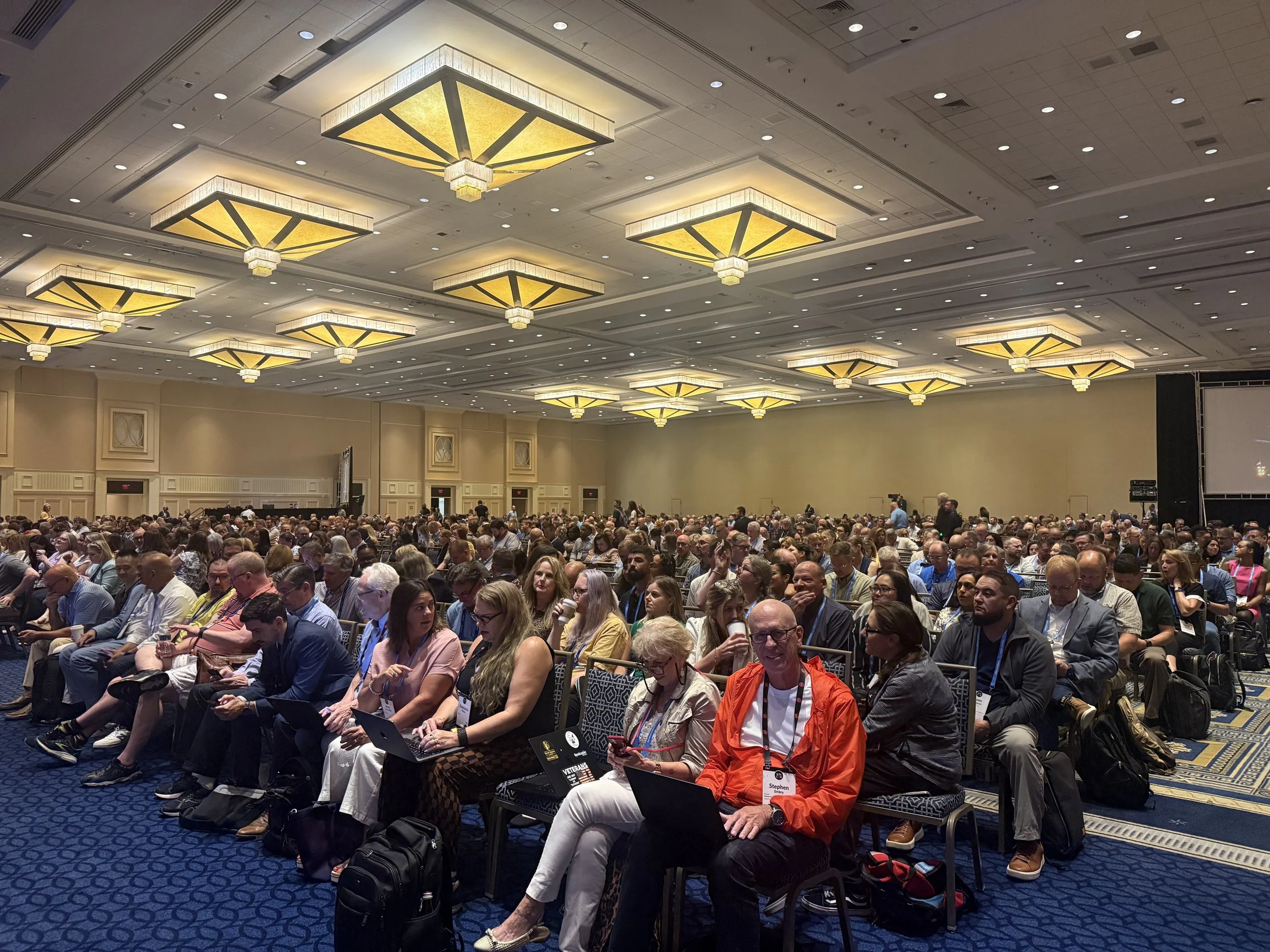
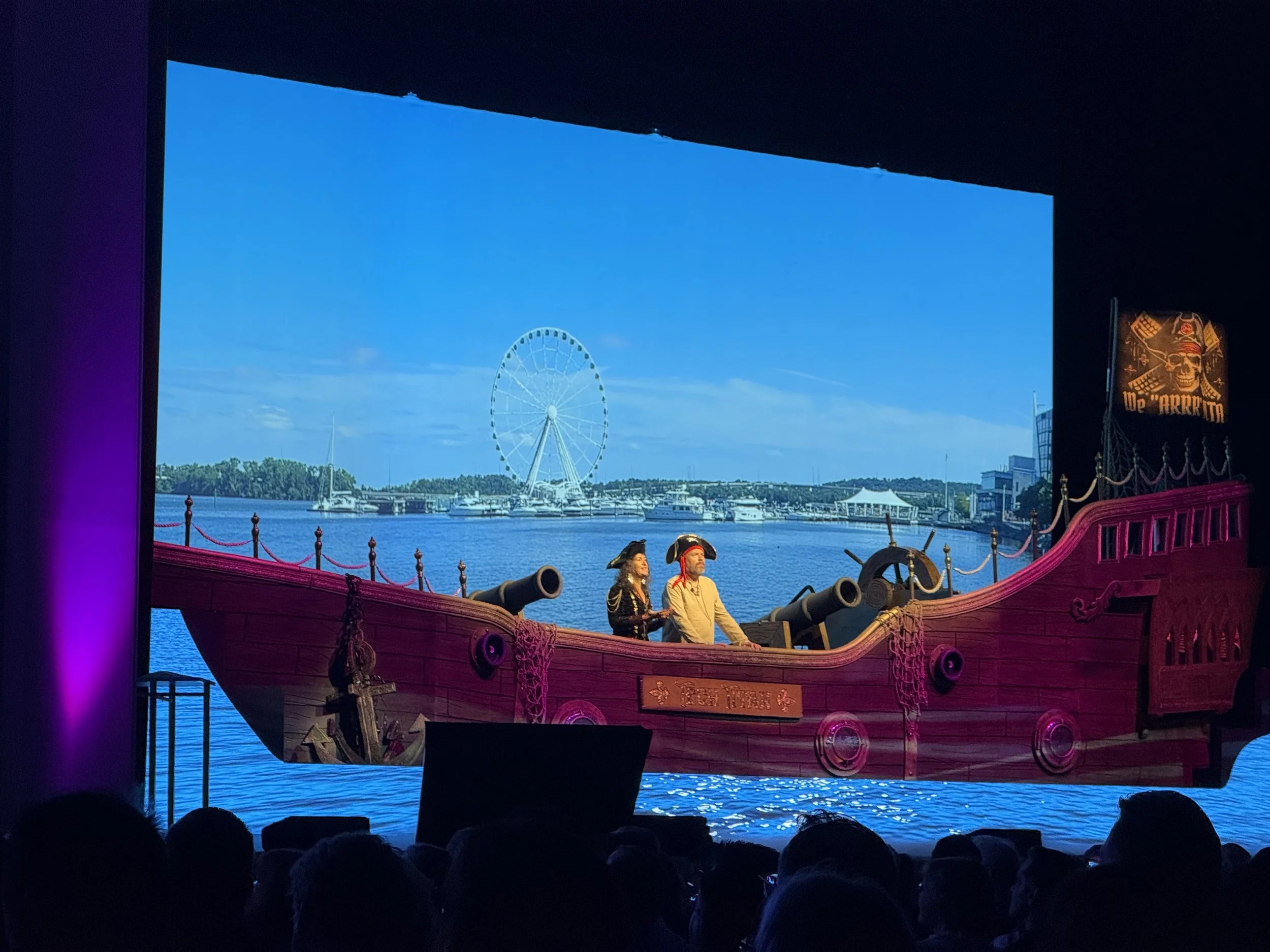
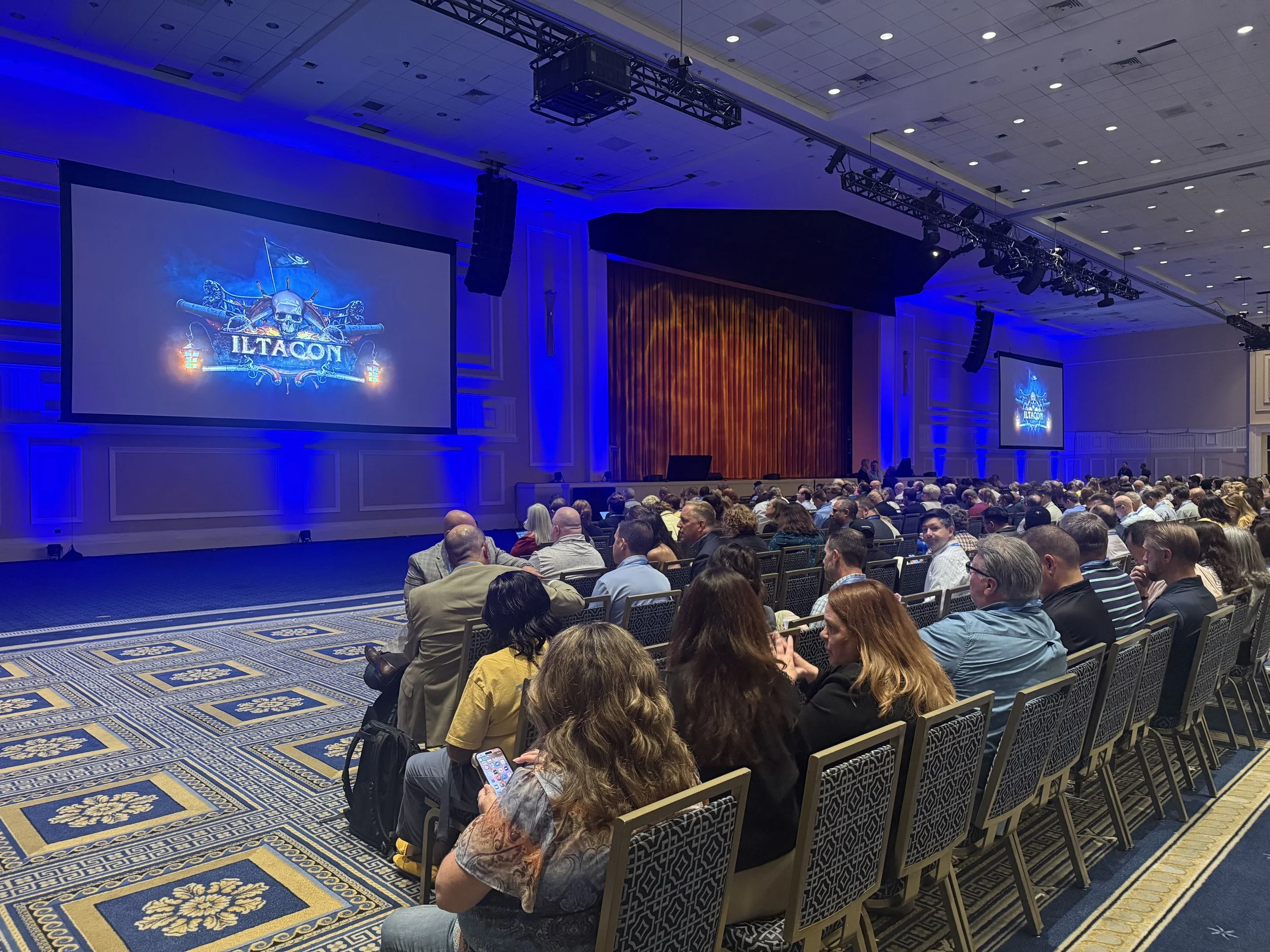
Ahoy, legal tech voyagers! ⛵ ILTACON 2025 has officially set sail at the magnificent Gaylord National Resort & Convention Center in National Harbor, Maryland, and what a spectacular opening it's been. From August 10-14, over 4,000 legal professionals interested in legal technology are charting their course through the most comprehensive bounty of legal tech innovations ever assembled.

This year's pirate theme couldn't be more fitting. Legal professionals have truly become modern-day treasure hunters, seeking out the digital gold that will transform their practices. The opening reception on Monday morning perfectly captured this spirit, with maritime merriment setting the tone for what promises to be an extraordinary week of discovery.

Among the distinguished crew of attendees, we spotted previous podcast guest Stephen Embry, the brilliant mind behind the TechLaw Crossroads blog and former chair of the American Bar Association’s Law Practice Division. His insights on artificial intelligence adoption and legal technology competency continue to guide practitioners navigating the choppy waters of digital transformation. Also making waves is Brett Burney, Vice President of NextPoint Law Group, whose expertise in bridging the chasm between legal and technology frontiers has made him a sought-after guide for firms embracing Discovery solutions.

The exhibit hall, themed as the "Pirate's Bounty," features over 225 vendors displaying their technological treasures. From AI-powered legal research tools to advanced case management systems, the bounty available to legal professionals has never been more abundant. The challenge isn't finding technology—it's selecting the right tools that will genuinely enhance practice efficiency without overwhelming existing workflows.

What makes ILTACON unique is its peer-driven approach to education. Unlike vendor-heavy conferences, ILTACON sessions are crafted by practitioners who have firsthand experience with the challenges facing legal technology professionals. This year's 80+ educational sessions span eight focus areas, ensuring every legal professional finds relevant insights to take back to their firm.

For firms with limited to moderate technology skills, ILTACON provides the perfect environment to learn from peers who have successfully navigated similar challenges. The networking opportunities alone justify the investment, as connections made here often lead to solutions for specific practice challenges.

The pirate theme extends beyond mere decoration—it represents the adventurous spirit required to succeed in today's legal technology landscape. Legal professionals must be willing to explore uncharted territories, test new solutions, and occasionally take calculated risks to discover the innovations that will give their practices a competitive edge.

#ILTACON2025

As we sail through this week of discovery, remember that the real treasure isn't the technology itself—it's the enhanced client service, improved efficiency, and competitive advantages these tools provide when properly implemented.

May fair winds fill your sails as you navigate this legal tech treasure trove! ⚓

#ILTACON2025