📰 ABA TECHSHOW 2026 Recap: From AI Hype to LLM Reality, Google Workspace, and Ethical Lawyering in the Age of Bots ⚖️🤖

The Real Story Behind ABA TECHSHOW 2026

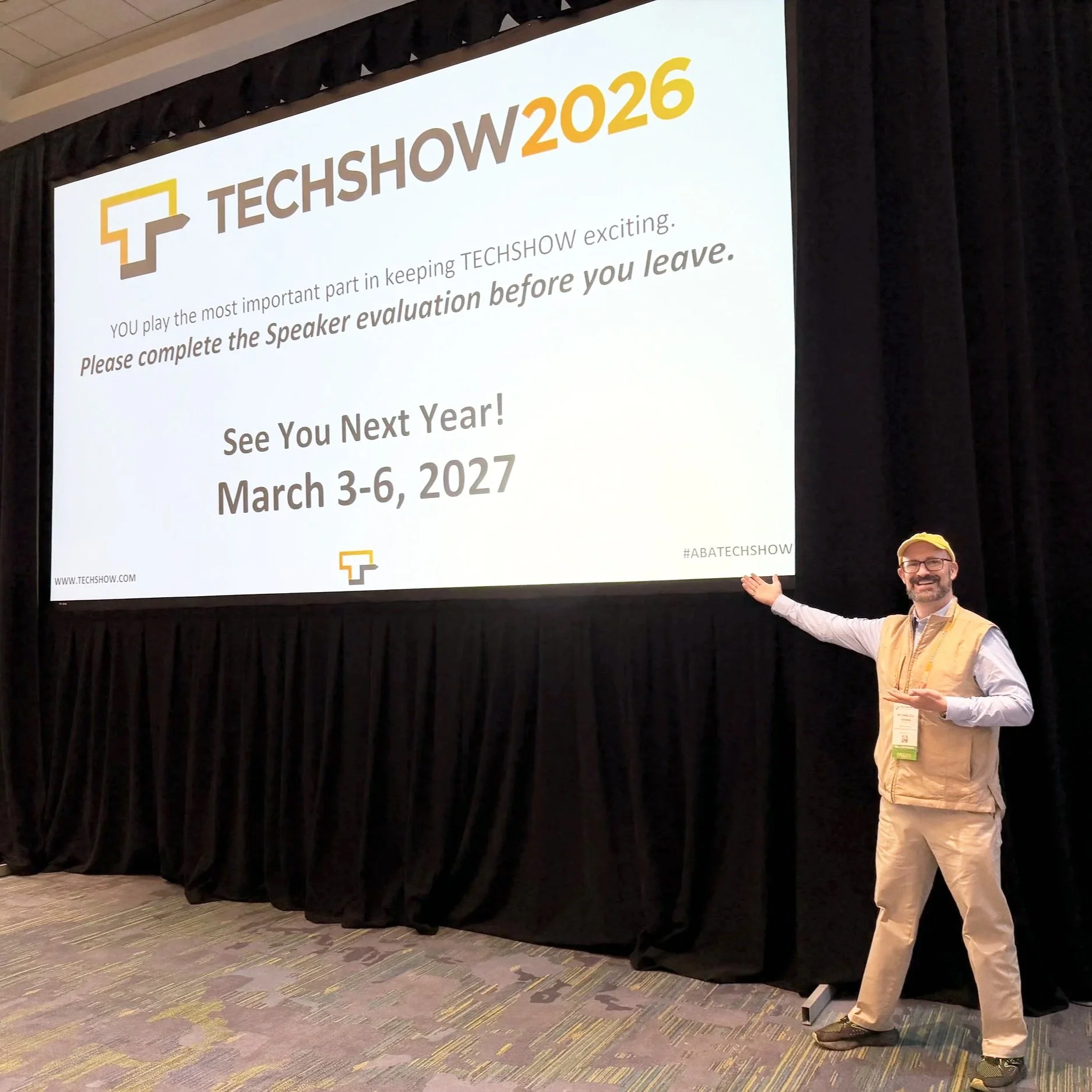
The techshow is the conference to go to keep your pulse on the technology lawyers should be using every day!

Walking into ABA TECHSHOW 2026 this year, I wasn’t thinking about shiny gadgets; I was thinking about competence, client service, and what it will mean to practice law in an era dominated not just by “AI,” but by large language models (LLMs) quietly shaping almost everything we see and share online. During my work on The Tech-Savvy Lawyer.Page blog and podcast, I keep running into the same pattern: lawyers know they should understand legal technology, yet they worry they’ll break something, breach a rule, or look foolish in front of their staff. TECHSHOW 2026 aimed directly at that anxiety — but this year, the conversation needs to go beyond what AI and generative AI can do and toward how LLMs and search bots are already shaping our professional identities online and offline. ⚖️💻

Keynotes: The “AI Dividend” and Your Time

The keynote lineup captured the tension between promise and risk. Legal market analysts highlighted what some called the “AI Dividend”: when machines take over routine drafting and research, lawyers gain time to think, advise, and advocate at a higher level. The real question — one I’ve been hammering on The Tech-Savvy Lawyer.Page for years — is what you will do with the time technology gives back (some of that time should include reviewing your work, e.g., your case citations). Tech-savvy speakers pushed attendees to look past vendor hype and focus on the broader digital environment, where consumer-facing tools, search engines, and recommendation algorithms are setting new expectations for speed, transparency, and availability.

Practical AI in the Sessions

Inside the conference rooms, the “Taming the Machines” and related AI tracks met baseline concerns (some with hands-on workshops) focused on realistic use cases: assisted drafting, pattern spotting in discovery, and summarizing voluminous documents. These sessions were built for lawyers who live in Word, Outlook, Google Workspace, and practice management systems and who simply want to stop retyping the same paragraphs. The faculty hammered home a critical point: generative AI is an assistant, not a decision-maker; you remain the lawyer, responsible for accuracy, judgment, and ethics under the ABA Model Rules. 🤖📄

Google Workspace, Microsoft 365, and Using What You Already Own

Mathew Krebis’ session on Google Workspace drove that message home in very practical terms. He showed how many firms are only scratching the surface of tools they already pay for: shared Drives with well-structured permissions, real-time collaboration in Google Docs, Gmail automation for intake and follow-up, and Google Calendar combined with Tasks to keep matter timelines under control. When you layer in emerging AI features in Workspace — smart replies, document summaries, suggested outlines — you see how even modest use of these tools can dramatically reduce friction in daily practice, and the tools Mathew discussed are not isolated to “law practice management” systems.

The takeaway was powerful: before you chase a new platform, fully exploit the ecosystem you already have. For many firms, “being more tech-savvy” starts with properly configuring their Google Workspace, Microsoft 365, or other SaaS platform, rather than buying yet another service.

Podcasting, Social Media, and LLM-Driven Visibility

Meanwhile, one other yet important frontier — and one that still feels underexplored — is what happens when LLMs and search bots become the primary lens through which clients, colleagues, and even opposing counsel discover you. That’s where my panel, 🎧 Podcasting for Lawyers: The Truth Behind the Mic, came in.

Ruby L. Powers, Gyi Tsakalakis, Stephanie Everett, and I discussed podcasting and social media not just as marketing channels, but as structured signals fed into LLM-driven engines that are constantly indexing, ranking, and inferring who is an authority on a given topic. Whether you talk about appellate practice, family law, or even a hobby outside the law, your content becomes training data for Generative Engine Optimization/LLM bots that decide which voices surface first when someone types a question into an AI chatbox. 🎙️🌐

In other words, your digital footprint is no longer static. It is being interpreted, reassembled, and presented as answers — often without you ever seeing the intermediate steps. That reality raises a new layer of ethical questions under the ABA Model Rules. Model Rule 7.1’s prohibition on false or misleading communications about the lawyer or the lawyer’s services takes on a new twist when LLMs remix snippets of your posts, podcasts, Google Workspace–hosted client alerts, and blog articles into composite “advice.”

You might be scrupulously accurate in your content, but if an LLM mischaracterizes it or presents it out of context, what then? TECHSHOW 2026 addressed traditional risks like hallucinated case citations, but there is room for a deeper, explicit conversation about how LLM-driven discovery intersects with advertising, communication, and competence duties.

EXPO Hall: Tools, Timekeeping, and Vendor Reality Checks

The EXPO Hall, as always, served as a laboratory of possibilities. Practice management platforms, billing tools, document automation, and a wave of AI-enhanced products competed for attention. Timekeeping tools that automatically capture activity across devices and applications and then propose draft time entries have grown dramatically since last year. For lawyers still reconstructing their days from memory and sticky notes, this is more than a marginal upgrade; it directly affects revenue, work-life balance, and accuracy.

But the fair warning comes here: make sure vendors are showing you what their product can do today, not what they hope it will do someday. In the LLM era, marketing decks are often several steps ahead of deployed reality. 🧾⏱️

Remember, you have an obligation under Model Rule 1.1 (competence) and Model Rule 5.3 (responsibilities regarding non-lawyer assistance) to understand the capabilities and limitations of any tech you “delegate” work to. Asking hard questions about current functionality, data handling, and audit trails is not being difficult; it is part of your duty of care.

Cybersecurity, Confidentiality, and LLM Risk

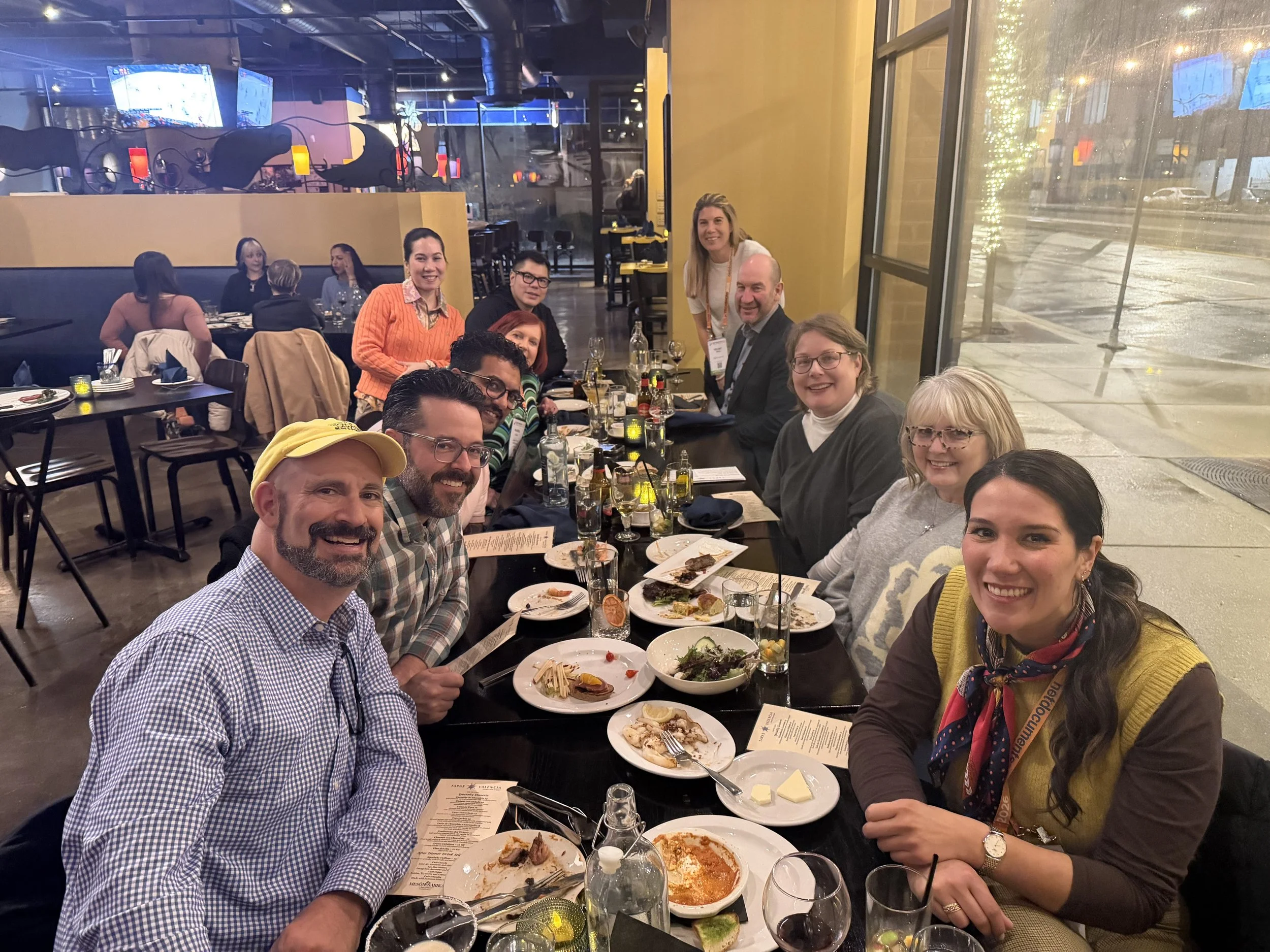
networking oppOrtunities like the taste of tecHshow” is a great way to talk with and learn from other lawyers about using tech in the practice of law.

The sessions on cybersecurity and confidentiality continued to do vital work. Under Model Rule 1.6, our obligation to protect client information extends to cloud storage, email, video conferencing, and the mobile devices we casually use in airport lounges. The “Guardians of the Data” track walked through practical checklists rather than abstract fearmongering: password managers, multi-factor authentication, properly configured backups, and vendor due diligence.

For firms running on Google Workspace, that translated into concrete steps: enforcing two-step verification, tightening Drive sharing settings, using client-specific shared Drives instead of ad hoc personal folders, and monitoring admin logs for suspicious access. The move from generic “AI” to LLM-powered services on any platform increases data risk, because many tools rely on ingesting your content — sometimes including client information — to improve their models. If you don’t understand where your data is going and how it is used, you cannot credibly say you are meeting confidentiality obligations. 🔐☁️

Competence, Human-in-the-Loop, and Everyday Workflows

You have an obligation under Model Rule 1.1 (competence) and Model Rule 5.3 (responsibilities regarding non-lawyer assistance) to understand the capabilities and limitations of any tech you “delegate” work to. Asking hard questions about current functionality, data handling, and audit trails is part of your duty of care.

Balancing this skepticism, though, is an equally important truth: becoming proficient with AI and LLM-based tools is not a spectator sport. You cannot satisfy your duty of technological competence from the sidelines. You have to use the tools first on a small scale, then progressively in more critical workflows, always with appropriate supervision and verification.

That might mean piloting an AI drafting feature in Google Docs and Microsoft Word for internal templates, or testing structured intake forms and automations inside Google Workspace or Microsoft 365 before rolling them out firm-wide. Ignoring AI because it feels uncomfortable is no longer the safer option. In some practices, failing to integrate it intelligently — while peers and opposing counsel do — may itself raise competence concerns as expectations evolve in courts and among clients. 🧩📈

Saturday Sessions: From “Use AI” to “Use AI Responsibly”

On Saturday, the 9 a.m. conversation among ABA President Michelle A. Behnke, Immediate Past President William R. “Bill” Bay, and President-Elect Barbara J. Howard, underscored how all of this ties into the rule of law and access to justice, framing AI as something lawyers now have a responsibility to actually use, not simply watch from the sidelines. The 10 a.m. session with Judge Timothy S. Discoll then shifted the focus from “use AI or be left behind” to “use AI responsibly,” making it clear that judges, too, are integrating AI into their work and that they are not immune from mistakes when they rely on it.

The message for everyone in the courtroom ecosystem was simple and blunt: “Review, review, and review” any work touched by AI, because AI is a non‑infallible tool that does make errors and can mislead the unwary. Together, these sessions acknowledged the growing digital divide: lawyers and clients who can’t or won’t adopt technology risk falling out of the mainstream of legal services, while those who adopt it recklessly risk eroding confidence in both their own work and the justice system as a whole.

We are not merely debating convenience; we are deciding who gets effective representation and who is left out because the lawyer they might have hired never appeared in their LLM‑driven search results — or appeared with AI‑boosted visibility but poor ethical judgment. Technology, in this sense, is not optional; it is one of the few levers we have to expand meaningful access to legal help, provided we wield it with intent, humility, and rigorous human review. ⚖️🧠

LLM Literacy: The Next Core Competency

That balance — between caution and experimentation — is where TECHSHOW 2026 both excelled and showed its next frontier. Many sessions made AI approachable, breaking down concepts for lawyers with limited to moderate tech skills and providing concrete workflows they could apply on Monday. What I would like to see more explicitly next year is programming that treats LLM literacy as a core competency: understanding how LLMs are built, how they index and surface information, how your content feeds into them, and how that affects everything from client intake to reputation, whether you are working in Microsoft 365, Google Workspace, or a specialized legal platform.

From my vantage point as a legal tech ambassador at The Tech-Savvy Lawyer, the most successful sessions respected that many lawyers are highly capable professionals who simply haven’t had the time or guidance to modernize their workflows. They don’t need to become prompt engineers. They need guardrails, roadmaps, and clear examples of how to align AI, LLM tools, and mainstream platforms like Microsoft 365 and Google Workspace with the ABA Model Rules and local bar guidance. When faculty focused on incremental steps — tightening cybersecurity configurations, adding a layer of AI-assisted drafting under strict human review, building a consistent content strategy that LLMs can reliably recognize — the room should lead in.

A Tough-Love Takeaway for Lawyers

If you are a lawyer who still feels behind, here’s the core message I took away from TECHSHOW 2026, with a bit of tough love: you don’t need to chase every new tool, but you can’t afford to ignore LLM-driven AI and the platforms you already live in, like Microsoft 365 and Google Workspace, any longer. Understand the basics; pilot one or two well-vetted tools to start improving your efficiency without sacrificing the need for a true human-in-the-loop.

SEE YOU IN CHICAGO FOR ABA TECHSHOW 2027!!!

Read your jurisdiction’s ethics opinions on AI and technology. Build habits that protect client data by default. Use your own content — whether blog posts, newsletters, or podcasts — to train the bots to see you as a trusted authority rather than a digital afterthought. Ultimately, your bar license may be at more risk from not engaging with AI than from engaging with it carefully and intelligently.

The future of legal practice will not wait until we are all comfortable; it is here now, embedded in the search boxes, recommendation engines, and tools your clients already use. TECHSHOW 2026 made that clear. The next move is yours. 🚀⚖️

MTC

Exclusive ABA TECHSHOW 2026 Offer 🎙️⚖️ — $5 Off The Lawyer’s Guide to Podcasting (On-Site Only, While Supplies Last!) + Join Our Live Sessions on Podcasting and Video Presence

Hey ABA TECHSHOW 2026 Attendees! 🎉

I’m thrilled you’re joining us in Chicago to explore how technology can elevate modern law practice. ABA TECHSHOW is one of my favorite spaces for real-world conversations about legal tech, and this year I’m especially excited to connect with those of you who want to put your voice — and your expertise — to work through podcasting and video.

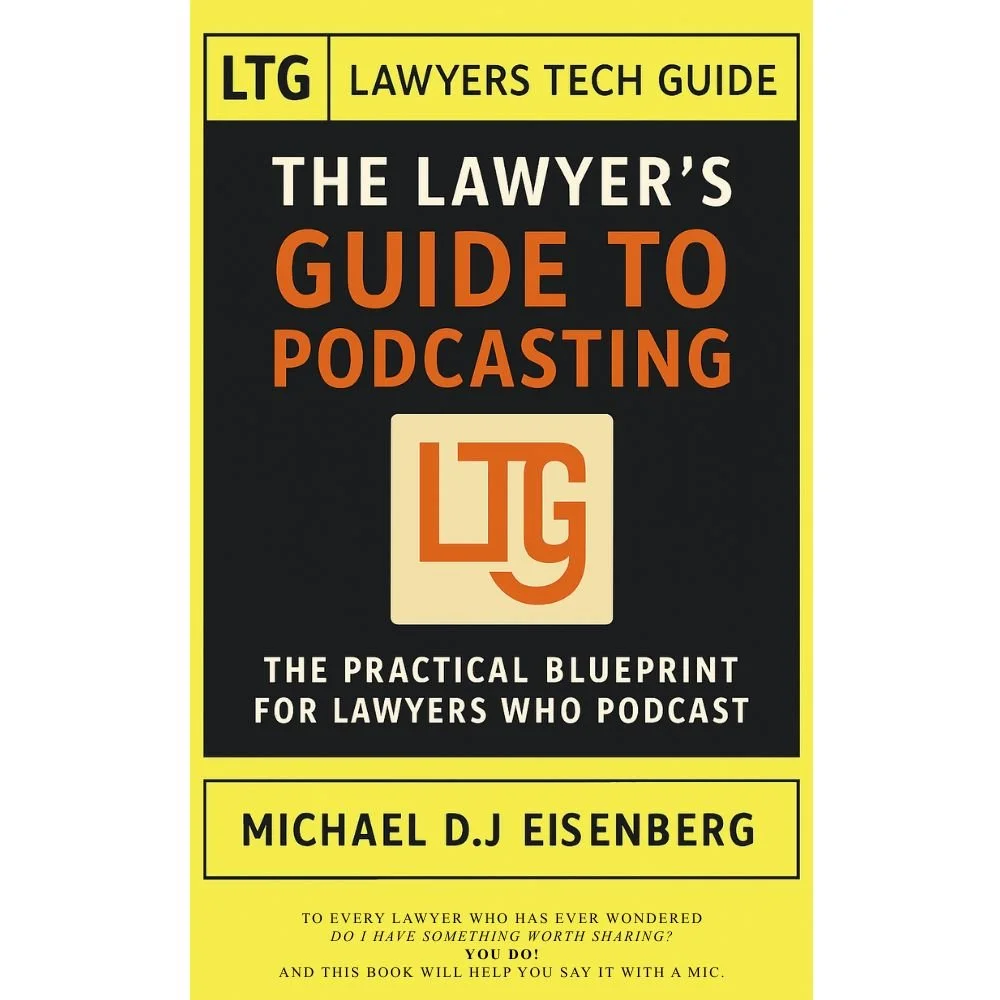
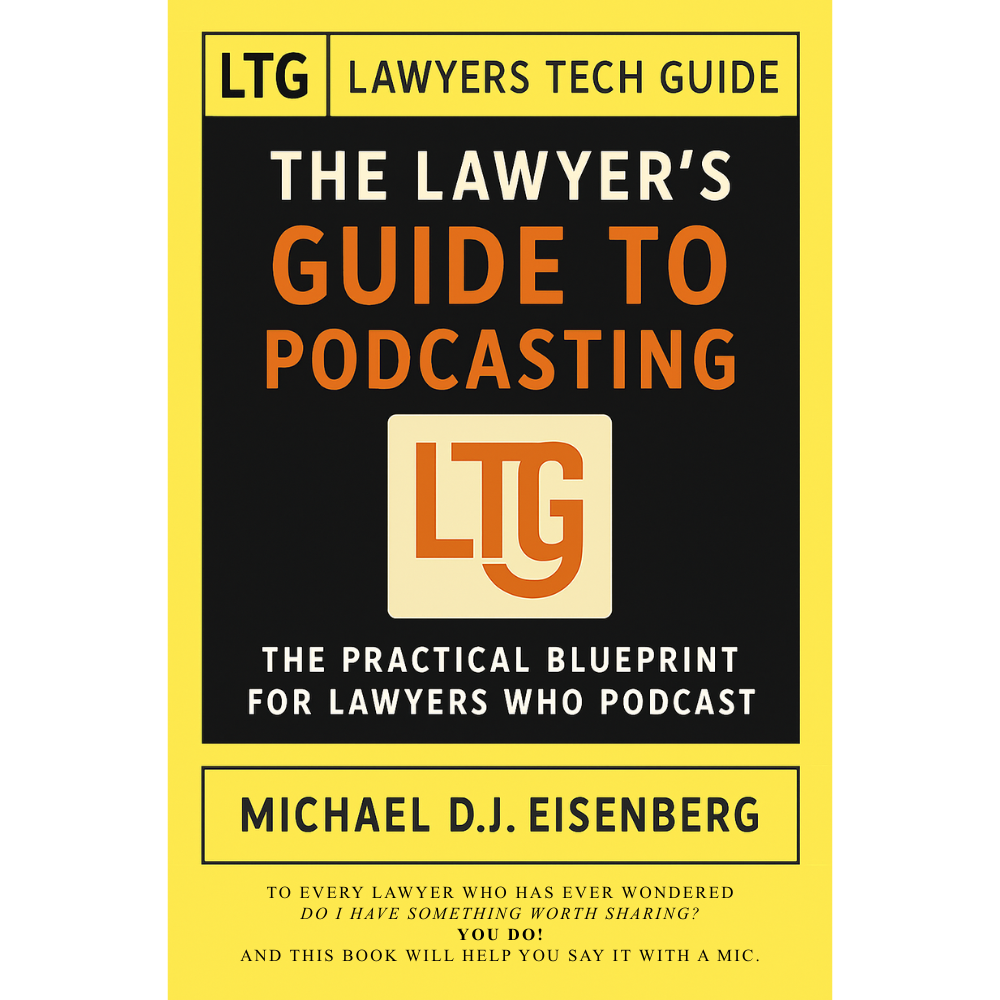
ABA TECHSHOW 2026 attendees get your discounted LTG: The Lawyer’s Guide to podcasting at the techshow while supplies last!!!

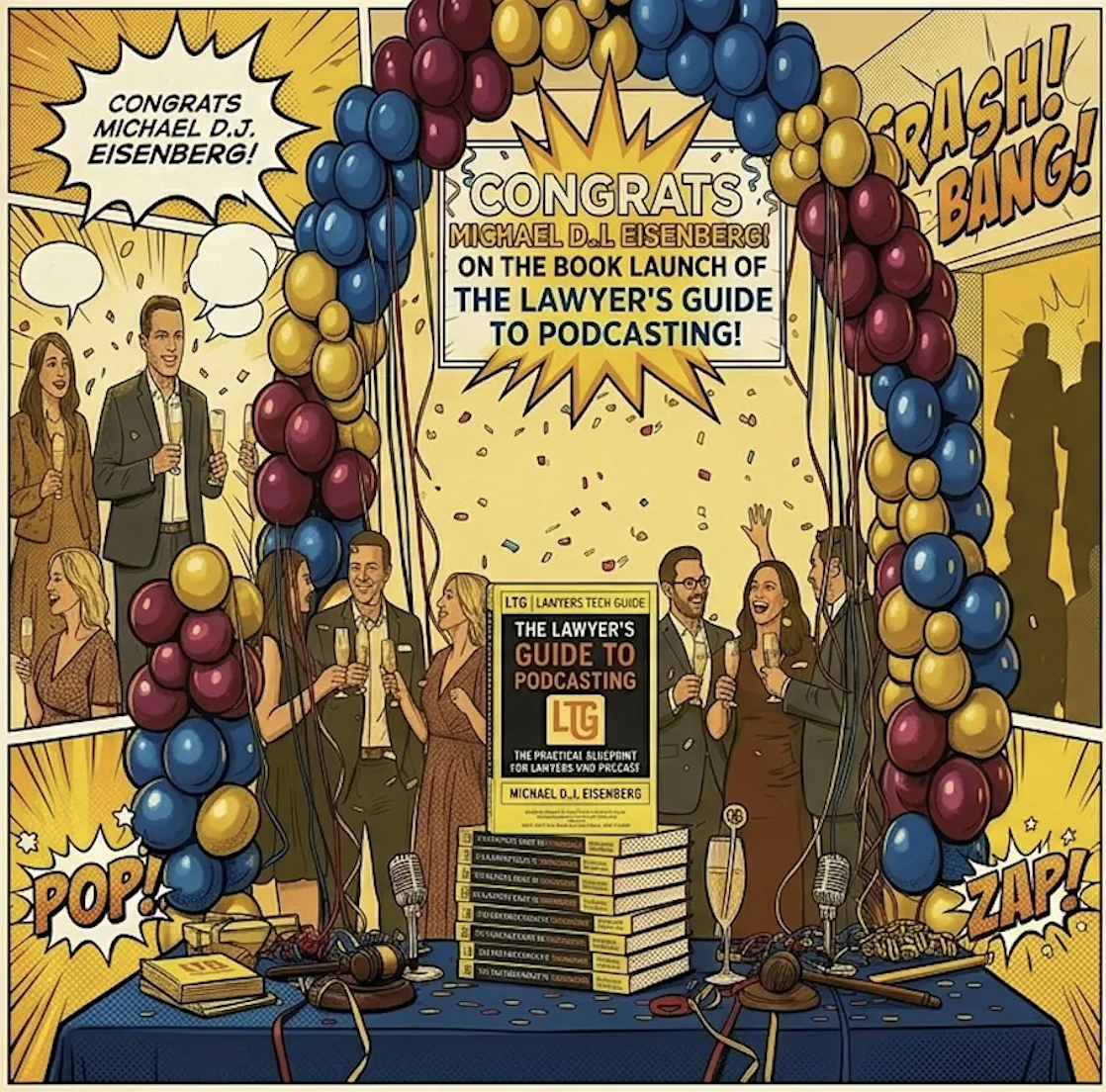
To celebrate TECHSHOW and support lawyers who are podcast-curious but not necessarily “tech experts,” I’m offering a special, in-person-only discount on my book, The Lawyer’s Guide to Podcasting. 📚🎙️ During ABA TECHSHOW 2026, attendees can purchase a physical copy on-site for $19.99, which is $5 off the regular $24.99 price, on-site only and while supplies last.

This book is written for lawyers with limited to moderate technology skills who want a clear, practical, ethics-aware roadmap to launching and sustaining a podcast. You don’t need a production team or a studio; you need a realistic workflow, the right level of tech, and an understanding of how the ABA Model Rules apply when your voice becomes part of your marketing and client-education strategy.

Join Me and My Co-Hosts at ABA TECHSHOW 2026 🎤

You’ll find me on the ABA TECHSHOW 2026 program in two sessions that sit right at the intersection of technology, communication, and professional responsibility.

🎧 Podcasting for Lawyers: The Truth Behind the Mic

In this session, I’ll be joined by a powerhouse group of legal podcasters and marketers:

  • Ruby L. Powers – A board-certified immigration attorney, law firm owner, legal innovator, and host of the Power Up Your Practice podcast, Ruby brings deep experience in law firm leadership, remote practice, and legal tech adoption.

  • Gyi Tsakalakis – A well-known legal marketing professional and podcast host, Gyi focuses on helping lawyers understand how digital marketing, SEO, and content (including podcasts) drive real-world client development.

  • Stephanie Everett – Co-author of The Small Firm Roadmap Revisited and host of The Lawyerist Podcast, Stephanie works with small firms on strategy, operations, and building sustainable, client-centered practices.

Together, we’ll discuss how, in a world crowded with blogs and social media, podcasting gives lawyers a unique way to build authority and connect with audiences on a more personal level. You’ll hear from lawyers and experts who actively run podcasts and work with law firms, and we’ll share the exact steps we’ve used to create compelling legal content that resonates, supports branding, and respects ethical boundaries.

🎥 Camera Ready Anywhere: Mastering Video Meetings with Clients, Courts, and Colleagues

In this session, I’ll be co-presenting with Temi Siyanbade:

  • Temi Siyanbade – An attorney, speaker, and author of Show Don’t Tell: How Lawyers Can Use Video to Stand Out, Create More Value, and Revolutionize Their Firms, Temi helps legal professionals strategically use video to build trust and communicate more effectively.

Virtual communication is now a permanent part of practice, whether you’re meeting with clients, negotiating with opposing counsel, or appearing before the court. In this session, Temi and I will share practical best practices for using Microsoft Teams and Zoom, including audio, video, lighting, framing, and on-screen presence, so your tech setup supports — rather than undermines — your advocacy and client service.

Ethics, ABA Model Rules, and Tech Competence ⚖️

Find me at the techshow to get your onsite discount and take home a great guide to get your podcast started!

Podcasting and video both touch directly on your professional responsibilities. In The Lawyer’s Guide to Podcasting, I connect the practical steps of planning, recording, and publishing to the ABA Model Rules of Professional Conduct, including:

I walk through how to use clear disclaimers, separate legal information from legal advice, and avoid inadvertently revealing confidential or identifying information. The goal is to help you become tech-savvy in a way that is realistic, ethical, and sustainable.

What You’ll Get from The Lawyer’s Guide to Podcasting 📘

Inside the book, you’ll find:

  • Plain-language tech guidance: realistic microphone, software, and hosting recommendations for busy lawyers.

  • Step-by-step workflows: planning, recording, editing, and publishing made manageable for your schedule.

  • Ethical “checkpoints”: where to pause and consider confidentiality, advertising rules, and jurisdiction-specific requirements.

  • Integration tips: how to embed your podcast on your website, share it in newsletters, and repurpose episodes for SEO and client education.

This is not a book about becoming a sound engineer; it’s about becoming a tech-savvy lawyer who uses podcasting thoughtfully.

On-Site Only, While Supplies Last 🛍️

Because this offer is tied to ABA TECHSHOW 2026, the $5 discount is available only for on-site purchases by attendees and only while physical copies last. I wanted this to be a tangible benefit for those who make the trip — and a practical next step if one of our sessions sparks your interest in podcasting.

Here’s how to take advantage of it:

  • Add “Podcasting for Lawyers: The Truth Behind the Mic” and “Camera Ready Anywhere: Mastering Video Meetings with Clients, Courts, and Colleagues” to your TECHSHOW schedule.

  • Bring your questions about tech, ethics, workflows, and content.

  • Find me on-site after the sessions or around the conference to pick up your discounted, signed copy of The Lawyer’s Guide to Podcasting for $19.99 (regularly $24.99), on-site only and while supplies last. 📚✍️

SEE YOU AT THE TECHSHOW!!!

ABA TECHSHOW is about practical innovation and ethical implementation. Podcasting and video live right at that intersection — modern tools that, when used thoughtfully and in line with the ABA Model Rules, can enhance your competence, your communication, and your client relationships.

If you’ve been thinking about starting a legal podcast — or want a structured way to decide whether podcasting fits your goals — I’d love for you to join our sessions and pick up the book during the show. 🎧⚖️

Shout Out: Previous Podcast Guest Ruby Powers Invites Your The Tech-Savvy Lawyer.Page Blogger and Podcaster Back on Power Up Your Practice!

I recently had the honor of joining Ruby Powers on her Power Up Your Practice Podcast, and I could not be more excited about what we covered for fellow lawyers. We talked about legal podcasting as a practical, ethical, and highly effective way for attorneys to build visibility, deepen relationships, and modernize their marketing without needing to be “hardcore tech people.”

On Ruby’s show, I shared why I believe that podcasting is becoming the new networking standard for lawyers. When you regularly publish episodes—whether about your day-to-day practice, a niche topic, or even a related interest—you push your name and your ideas into the online world in a consistent way. Search engines and AI systems notice this. Over time, your name and your content start to surface more often when people search for your practice area, your type of work, or your expertise. That is real SEO, and it comes from steady, quality content rather than tricks or gimmicks.

Another reason I encourage lawyers to podcast is simple: your voice makes you more human. Listeners hear how you think and how you explain things. They hear your tone and your values. That goes far beyond a static bio or a profile page. Whether your audience is potential clients, referral sources, peers, or the broader public, a podcast lets them get to know you in a safe and scalable way. This is networking that keeps working for you even when you are in court, in a hearing, or taking a much-needed break. 🌟

I also understand that many lawyers hesitate because they are concerned about ethics. That concern is healthy. As attorneys, we cannot ignore ABA Model Rules and similar state rules when we put content into the world. On the podcast, Ruby and I discussed that while a show can be an excellent educational and marketing tool, we must avoid giving individualized legal advice and avoid accidentally creating an attorney–client relationship. I strongly recommend clear, prominent disclaimers that explain the podcast is for informational purposes only, does not create an attorney–client relationship, and should not be relied on as legal advice for any specific matter.

This aligns with our obligation of competence under Model Rule 1.1, which now includes understanding relevant technology, and with our duties around communications and advertising under Model Rules 7.1 and following. A well-run legal podcast respects those boundaries. It presents general information and insights, and it invites listeners to seek formal counsel if they need advice for their specific situation. When you treat your podcast as education plus relationship-building, not as a substitute for representation, you are already thinking in the right direction.

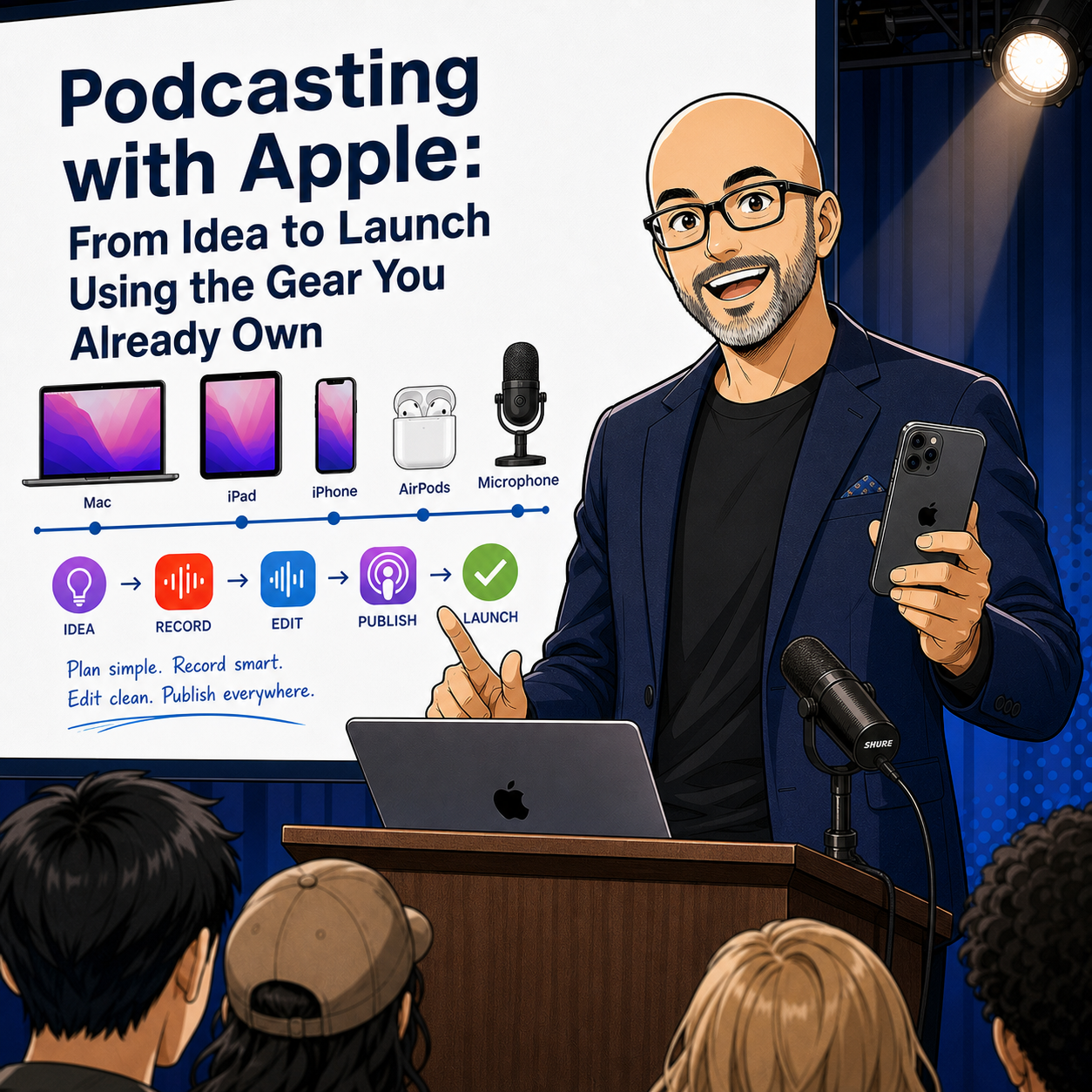
In our conversation, Ruby and I also addressed a common fear: “I’m not tech-savvy enough to start a podcast.” As someone known as the Tech-Savvy Lawyer, I want to be clear: you do not need to be a full-time tech enthusiast to do this. You likely already have access to most of what you need. A solid microphone, a decent camera, and a platform like Zoom, Riverside, or StreamYard can take you surprisingly far. Many of these tools are user-friendly and continue to improve. You can start with the basics and then layer on more sophistication as you grow more comfortable. 🎧

Ruby shared her own experience of initially overthinking her podcast. She wanted it to be perfect, and that almost stopped her from launching. I hear that from lawyers all the time. My advice is simple: do not wait for perfect. Your early episodes will probably make you cringe later, which means you are improving. That is a good sign. Focus on clear audio, honest content, and consistent scheduling. Over time, you can refine your editing, your format, and even your branding. You can bring in a contractor or a service to help with editing once you know you want to keep going.

We also discussed the flexibility podcasting offers. You can publish weekly, every other week, or monthly. You can create solo episodes where you explain key topics. You can host interviews with colleagues, experts, or community leaders. You can even experiment with live formats, where audience members submit questions in advance, and you answer them at a general, educational level. The format should fit your bandwidth, your goals, and your audience.

One concept I emphasized is the idea of an “ideal listener” or avatar. Before you hit record, think about exactly who you are speaking to. Is it a potential client in a specific practice area? Other lawyers in your niche? Law students or young practitioners? Having that profile in mind will guide your topic choices, your language, and your examples. It also helps you stay focused on value rather than drifting into random conversations that do not support your goals.

From a business perspective, legal podcasting can support your referral network in powerful ways. Colleagues can share your episodes, which subtly introduce you as a trusted resource. Prospective clients may listen to several episodes before they ever contact you, which means they arrive already familiar with your style and approach. That can shorten the trust-building curve and make consultations more productive.

What I appreciate about Ruby’s Power Up Your Practice platform is that it treats podcasting not as a vanity project, but as part of a larger ecosystem of law practice management, technology, and professional development. My appearance on her show gave me a chance to tie together what I see in my own practice, my blog, my podcast, and my book: lawyers do not need to fear technology. We need to engage with it thoughtfully, guided by the same ethics and judgment we apply in every other part of our work.

If you are a lawyer with limited to moderate tech skills and you have been on the fence about starting a podcast, I invite you to listen to my conversation with Ruby and let it serve as a practical, encouraging blueprint. You will hear that you are not alone in your concerns, that there are clear ways to stay compliant with ABA Model Rules, and that the path to becoming a “tech-savvy lawyer” does not require perfection—only willingness, consistency, and a focus on delivering value. 🚀

Enjoy!

⭐ First Five-Star Amazon Review for “The Lawyer’s Guide to Podcasting” – Why Tech-Savvy Lawyers Should Care About ABA Ethics, Client Trust, and Smart Marketing 🎙️⚖️

“The Lawyer’s Guide to Podcasting” by your favorite blogger/podcaster just earned its first five-star Amazon review, and it’s a milestone worth your attention. 🎉📘 The reviewer highlights what many of us in legal tech have been saying: podcasting is no longer a fringe hobby; it is a strategic, ethics-aware marketing channel for modern law practice. 🎙️

For lawyers with limited to moderate tech skills, this book demystifies microphones, workflows, and publishing tools without assuming you want to become an engineer. Instead, it walks you through practical steps to share your expertise in a format today’s clients already trust—long-form, authentic audio. 🔊

From a professional responsibility perspective, the guidance aligns with ABA Model Rule 1.1 on technology competence and Model Rule 1.6 on confidentiality by emphasizing the use of secure platforms, thoughtful content planning, and careful handling of client-identifying details. The book reinforces that podcasting can showcase your substantive knowledge while staying within the guardrails of Model Rule 7.1, avoiding misleading claims about your services. ⚖️

QR Code for Amazon book link

The first five-star review underlines two themes: listeners want real conversations, and they quickly recognize when a lawyer respects both the audience’s time and the profession’s ethical duties. That is exactly the posture this book encourages—credible, compliant, and client-centered. 🌟

If you are ready to build authority, differentiate your practice, and satisfy your tech-competence obligations without drowning in jargon, now is the perfect time to get your copy of “The Lawyer’s Guide to Podcasting” on Amazon and start planning your first ethically sound episode. 🚀

ANNOUNCEMENT: The Lawyer’s Guide to Podcasting Is Here: A Practical, Ethical Launch Plan for Busy Lawyers 🎙️⚖️

I’m excited to share! The wait is over! The Lawyer’s Guide to Podcasting is officially released. 🎉🎙️ This book is built for lawyers, paralegals, and legal professionals who want a clear, practical path to launching a podcast—without needing to be “techy” to get it right.

Podcasting has become one of the most effective ways to build trust at scale. People want more than ads. They want a real voice. They want context. They want clarity. A podcast lets you educate, connect, and show your professional judgment in a way a website cannot. It also gives prospective clients a low-pressure way to get to know you before they ever call. 📈🤝

This guide covers the full podcast lifecycle in plain language. You will learn how to pick a topic that fits your goals and schedule. You will learn the most useful show formats for legal audiences, including solo episodes, interviews, storytelling, and educational series. You will also learn what to buy (and what to skip) when building your gear setup. That includes microphones, headphones, webcams, lighting, and basic acoustic improvements that matter in real offices. 🎧🎥💡

QR Code for 📚 purchase on amazon

Software matters too. In this book, I explain beginner and pro options for recording and editing. It also covers remote recording tools and simple video workflows for YouTube and modern platforms. You will get a clear explanation of podcast hosting and distribution, including how RSS feeds deliver your episodes to directories like Apple Podcasts and Spotify. 📲🌍

A major focus of this book is professional responsibility. Lawyers must avoid accidental legal advice. Lawyers must avoid creating unintended attorney-client relationships. Lawyers must also watch multi-jurisdictional issues and advertising rules. This guide addresses those risks directly and gives practical guardrails you can use in real episodes. 🛡️📜

You will also learn how to use AI efficiently and ethically. AI can save time on transcripts, show notes, clips, and repurposed content. It can also create risk if you feed it sensitive data or publish unverified output. The book offers a workflow-first approach that protects confidentiality and supports accuracy. ✅🤖

The Lawyer’s Guide to Podcasting is part of the Lawyers Tech Guide (LTG) series from Michael D.J. Eisenberg, creator of The Tech-Savvy Lawyer.Page. The mission is simple: use technology to communicate clearly, serve people better, and reclaim time. ⏳✨

Ready to launch?
You are just one click away!

🎙️ Ep. 129, Why Lawyers Should Podcast in the Age of AI: Live Roundtable from Podfest 2026 🎙️⚖️

In this special episode, recorded live from Podfest 2026 in Orlando, FL at the Renaissance Marriott Hotel near SeaWorld, I was able to gather several attendees who are in the legal world—lawyers and legal industry marketers—to talk about why lawyers should podcast and more! 🎙️ Our roundtable features Dennis “DM” Meador (Legal Podcast Network), Louis Goodman (Love Thy Lawyer), Robert Ingalls (Lawpods), Wendi Weiner (The Writing Guru), and Elizabeth Gearhart (Passage to Profit / Gearhart Law), each bringing deep experience in podcasting, legal marketing, and personal branding for lawyers.

We discuss practical, no-fluff insights about how lawyers can use podcasting to build authority, strengthen SEO, show up in large language models (LLMs) like ChatGPT, and connect more authentically with clients and referral sources. Whether you are tech-curious, tech-comfortable, or completely new to podcasting, this episode will help you decide if starting a podcast makes strategic sense for your practice or business.

QUESTIONS WE DISCUSS 🎯

Join Dennis, Louis, Robert, Wendi, Elizabeth, and me as we discuss the following three questions and more!

  1. Why should lawyers be podcasting in 2026 and beyond, especially with Gen Z and Gen Alpha getting so much of their trusted information from podcasts and social platforms?

  2. What is one of the first concrete steps a lawyer should take if they are seriously considering launching a podcast of their own?

  3. What is one of the biggest mistakes lawyers should watch out for when launching a podcast, and how can they avoid becoming a “zombie podcast” that dies after a few episodes? 🧟‍♂️

Additional themes we explore include:

  • How podcasting acts as an “electronic resume” and trust-building tool for lawyers.

  • How podcasts can drive SEO, get you discovered in LLMs like ChatGPT, Google Gemini, Perplexity, and Claude, and generate traffic to your law firm website.

  • Why your podcast does not always need to be “about the law” to be effective for your legal brand.

  • How to balance authenticity (including salty language) with your professional brand and ethics rules.

TIME-STAMPED EPISODE GUIDE ⏱️

In our conversation, we cover the following:

  • 00:00 – Welcome & guest introductions
    Live from Podfest 2026: intros from Dennis “DM” Meador (Legal Podcast Network), Louis Goodman (Love Thy Lawyer), Robert Ingalls (Lawpods), Wendi Weiner (The Writing Guru), and Elizabeth Gearhart (Passage to Profit / Gearhart Law).

  • 02:00 – Why should lawyers be podcasting?

    • Gen Z and Gen Alpha treat podcasts as a top trusted media source. 📲

    • Podcasting vs TikTok for lawyers who don’t want to dance but still want reach.

    • Podcast as “electronic resume” and branding vehicle for lawyers and judges.

  • 04:30 – Is podcasting right for every lawyer?

    • Robert on why not every lawyer should podcast, and why goals matter.

    • How a podcast helps potential clients decide if you are “their” lawyer—or not.

  • 06:30 – Personality, language, and fit

    • The Tampa PI lawyer who refuses to bleep swear words to attract the right clients and repel the wrong ones. 🤬

    • Why authenticity can be a powerful qualification tool, not a liability.

  • 08:00 – Podcasting as a marketing engine

    • Turning a 30–60 minute recording into video clips, written content, and evergreen assets.

    • How podcast content keeps working for you long after the recording session.

  • 09:30 – Personal branding and storytelling for lawyers

    • Wendi on using podcasts to develop a personal brand, tell your story, and highlight your “superpower” as a lawyer.

    • Why sharing your career pivots and non-traditional path resonates deeply with listeners.

  • 12:00 – Getting discovered in ChatGPT and other LLMs

    • Elizabeth on using a podcast and transcripts to improve visibility in ChatGPT, Google Gemini, Perplexity, and Claude. 🤖

    • How regular podcasting and transcript optimization sustained and improved hits from LLMs to Gearhart Law’s website.

  • 15:30 – Future-proofing and “language-based internet”

    • DM explains why we’re moving from a page-based to a language-based internet and why early podcast adopters will win—similar to early website and SEO adopters.

    • Podcasting as both “future-proofing” and “present-proofing” your practice.

  • 18:00 – Hobby vs business podcast

    • Louis on starting his podcast as a social hobby and discovering the SEO and networking upside.

    • How a niche local legal podcast can drive referrals and reputation even without direct monetization.

  • 21:00 – How personal is too personal?

    • Robert’s own experience evolving his podcast from estate planning to broader personal topics.

    • Balancing sharing about yourself with focusing on the listener’s problem (StoryBrand “guide vs hero” concept).

  • 25:00 – Beyond law: topic flexibility

    • Why your legal podcast can focus on tech, politics, entrepreneurship, or hobbies while still supporting your legal brand.

    • Examples of lawyers podcasting about politics and broader societal issues to grow recognition.

  • 28:30 – Helping lawyers find their story

    • Wendi’s process: asking about upbringing, first-generation experiences, career pivots, athletic feats, and long-term goals to unlock unique stories.

    • How those stories fuel compelling podcast episodes and stronger interviews.

  • 34:00 – Thinking beyond your current role

    • Using podcasting and personal branding to position yourself for boards, politics, and second careers outside traditional law practice.

  • 37:00 – AI hallucinations & validating LLM output

    • Elizabeth’s workflow for cross-checking answers across ChatGPT, Gemini, Perplexity, Claude, and Grok.

    • Why LLMs “love” natural, conversational podcast transcripts as training material.

  • 40:00 – Networking power of “you should be on my podcast”

    • How inviting people as guests changes the dynamic at networking events. 🤝

    • Using podcast guest outreach on LinkedIn and pod-match style platforms.

  • 43:00 – Content, authority, and algorithm signals

    • DM on why consistent, custom content will always outperform gimmicks in SEO and algorithm changes.

    • How podcasts support authority, trust, and long-term discoverability in search and LLMs.

  • 48:00 – Question #2: First steps for lawyers considering a podcast

    • Robert and DM: “Know your why” and who your ideal listener/client really is.

    • Are you using the show for lead nurturing, referral education, or brand visibility?

  • 52:00 – Political/legal shows and indirect monetization

    • Discussion of political/legal commentary podcasts that soft-sell the firm.

    • Why they can work—but why expectations and time horizon matter.

  • 56:00 – Brand consistency before you launch

    • Wendi on auditing your website, LinkedIn, business page, and social handles for consistent branding (e.g., “The Writing Guru”).

    • Using CTAs and data capture to turn podcast listeners into contacts.

  • 59:00 – Knowing your deeper “why”

    • Elizabeth’s “peel the onion” exercise: repeatedly asking why until you reach the core motivation, often helping people out of “impossible situations.”

  • 1:03:00 – Solo vs agency vs studio

    • Pros and cons of DIY gear and production vs working with podcast agencies or studios.

    • Why time value, ethics, and avoiding scams all matter for lawyers.

  • 1:08:00 – Ethics, multi-jurisdiction practice, and global reach

    • How legal ethics, multistate audiences, and global distribution impact what lawyers can say on their podcasts.

  • 1:12:00 – Question #3: Biggest mistakes lawyers make launching a podcast

    • Elizabeth: ethics, off-the-cuff comments, and aligning tone (including swearing) with your brand and practice area.

    • Wendi: perfectionism vs progress—accepting that early episodes will be imperfect but valuable.

    • Robert: no long-term plan and no content strategy, leading to inconsistency and podfade.

    • Louis: underestimating time; a solid 30 minutes of content may require several hours early on.

    • DM: expecting immediate impact and treating podcasting like a short-term campaign instead of a long-term asset.

  • 1:22:00 – Test-driving podcasting as a guest first

    • Why appearing as a guest on other shows (via Podmatch and similar platforms) is a smart “trial run” before launching your own.

  • 1:25:00 – Where to find today’s guests & closing

    • Each guest shares their preferred platforms, emails, and websites so you can connect and learn more.

RESOURCES 📚

Connect with our Guests

Louis Goodman ⚖️

Elizabeth Gearhart 📻

Robert Ingalls 🎧

Dennis “DM” Meador 💼

Wendi Weiner ✍️

Mentioned in the episode

Non‑Hardware/Software 🔍

Hardware mentioned 🧰

(Exact models are discussed generally rather than by SKU, but here are representative links to explore.)

Software & Cloud Services mentioned ☁️

MTC: Why Lawyers Should Podcast in 2026: Human Connection, Authority Building, and Tech-Smart Growth for Your Law Practice 🎙️⚖️

For nearly six years, podcasting has been more than a business development tool to me; it has been a way to talk about topics that matter, in a format that feels natural, conversational, and—even for lawyers—fun. 🎧 Podcasting lets the public, and potential clients, get to know you as a person instead of just a name on a website or a face on a billboard, and that human connection is rapidly becoming the real differentiator in a crowded legal marketplace.

podcasting can be a key to a lawyer’s marketing strategy and maybe allow lawyers to have a little fun too!

At PODFEST EXPO 2026 in Orlando, I sat down with a remarkable panel of lawyers, former lawyers, and legal professionals for a “pop‑up” roundtable on why lawyers should podcast. My guests included Dennis “DM” Meador of The Legal Podcast Network, Louis Goodman of Love Thy Lawyer, previous podcast guest Robert Ingalls of LawPods, personal‑branding expert Wendi Weiner of The Writing Guru, and Elizabeth Gearhart of Passage to Profit. Together, we explored not just why lawyers should podcast, but how podcasting can support branding, authenticity, and even your visibility in search engines and large language models (LLMs).

Several themes emerged. First, podcasting is now a trusted medium for younger generations; DM noted that for Gen Z and Gen Alpha, podcasts and short-form video are top information sources, and if you “don’t want to dance on TikTok, get a podcast.” Second, a show can function as an “electronic résumé,” as Louis described, demonstrating your consistency, curiosity, and staying power far better than a static bio ever will. Third, a podcast is a powerful filter: by sharing your real voice—salty language and all, if that is true to you—your audience quickly learns whether you are “their” lawyer or not, which matters in multi‑year relationships such as injury or family law matters.

Podcasting is also a networking and authority engine. Elizabeth emphasized how Passage to Profit has grown from a radio show into a nationally syndicated podcast that not only builds trust with human listeners but also increases her firm’s presence in tools like ChatGPT, Gemini, and Perplexity. By repurposing podcast transcripts and show notes intelligently, she has observed measurable traffic from LLMs to the Gerhardt Law website—proof that conversational content can improve your visibility in the emerging “language-based internet.” Wendi highlighted that podcasting dovetails perfectly with personal branding: it is a scalable way to tell your story, show your “superpower,” and convey your unique value beyond the four corners of a résumé.

Lawyers can gain invaluable insights from podcasting conferences like Podfest, enhancing their firms’ marketing, online visibility, and overall digital presence.

Of course, podcasting is not only about business. For many of us, it began as a hobby or a creative outlet that happened to support SEO, referrals, and professional relationships along the way. The lawyers on the panel repeatedly stressed that you do not have to talk exclusively about black‑letter law: you can focus on entrepreneurship, technology, careers, politics, or any niche that authentically reflects who you are and the clients you want to serve.

That balance between enjoyment and strategy is exactly why The Lawyer’s Tech Guide: The Lawyer’s Guide to Podcasting exists. 📘 This new book, just released today, breaks down the who, what, why, where, and how of podcasting for lawyers—from equipment and workflow to ethics, marketing, and monetization—so you can launch a show that is both sustainable and aligned with your practice and values. You can grab your copy on Amazon and start turning your expertise and personality into a discoverable, binge‑worthy asset for your clients, colleagues, and community.

📢 Stay tuned! The roundtable episode from Podfest 2026 drops tomorrow. You will hear directly from DM, Louis, Robert, Wendi, and Elizabeth as they share the candid, practical advice that every tech‑curious lawyer thinking about podcasting needs to hear. 🎙️

ANNOUNCEMENT (BOOK RELEASE): The Lawyer’s Guide to Podcasting: The Simple, Ethics-Aware Playbook to Launch a Professional Podcast (Release mid-January, 2026)

Anticipated release is mid-january 2026.

🎙️📘 Podcasting is still one of the fastest ways to build trust. It works for lawyers, legal professionals, and any expert who needs to explain complex topics in plain language.

On January 19, 2026, I’m releasing The Lawyer’s Guide to Podcasting. This book is designed for busy professionals who want a podcast that sounds credible, protects confidentiality, and fits into a real workflow. No studio required. No tech overwhelm.

✅ Inside the book, you’ll learn:

  • How to pick a podcast format that matches your goals 🎯

  • The “minimum viable setup” that sounds professional 🎤

  • Recording workflows that reduce editing time ⏱️

  • Practical ethics and risk habits for public content 🔐

  • Repurposing steps so one episode becomes a week of marketing ♻️

📩 Get the release link: Email Admin@TheTechSavvyLawyer.Page with the subject line “Podcasting Book Link” and I’ll send the link as soon as the book is released. 📩🎙️