🚨 Last Day for Lawyer Podcasting Conference Early-Bird Pricing: Meet New Speaker Gordon Firemark, The Podcast Lawyer™ 🎙️

🎙️ Register for the Lawyers’ Podcasting Conference before midnight tonight.

🎉

🎙️ Register for the Lawyers’ Podcasting Conference before midnight tonight. 🎉
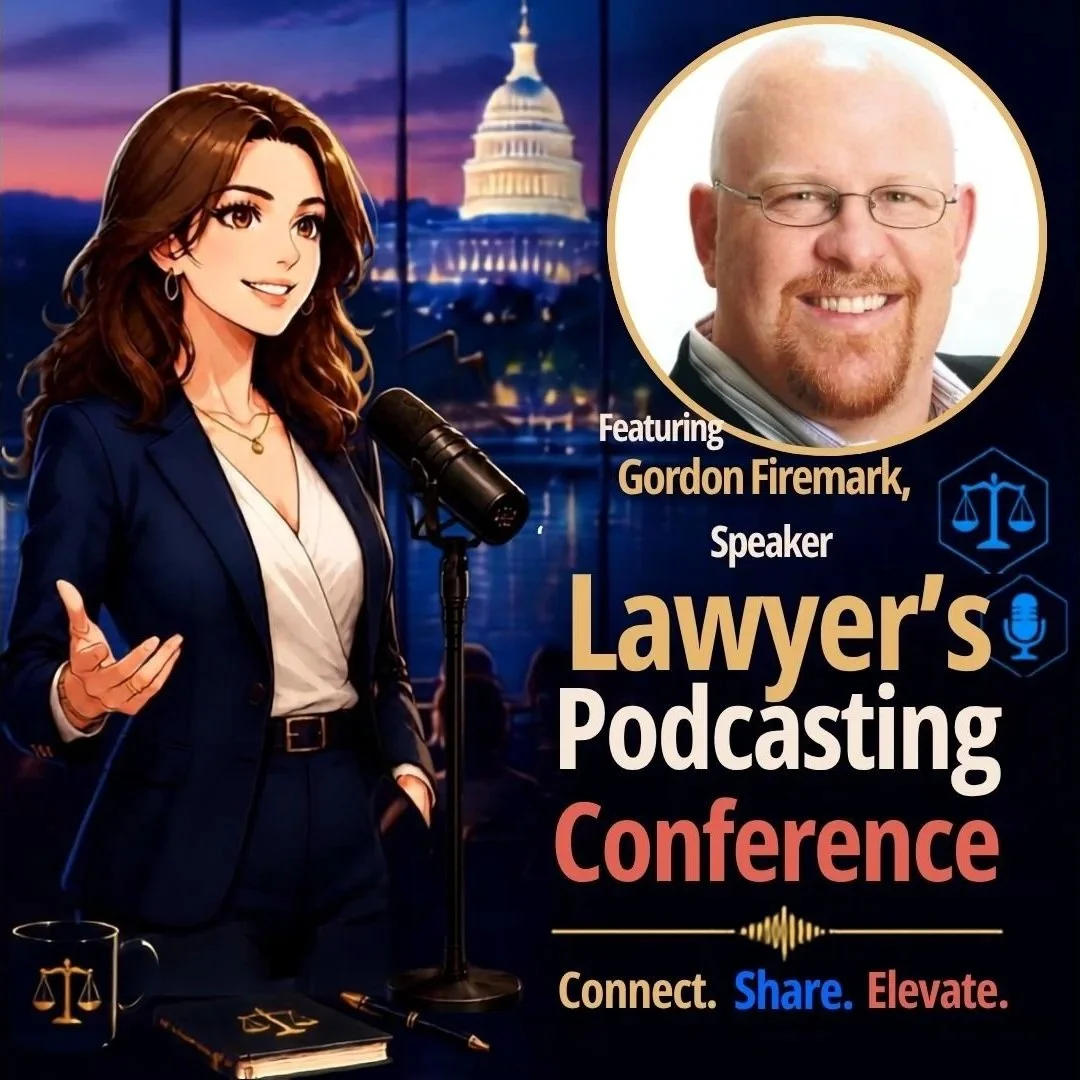
come learn from the podcast Laywer, Gordon Firemark, this november at LPC!

Today is the last day to claim early-bird pricing for The Tech-Savvy Lawyer’s Lawyers’ Podcasting Conference. Register by midnight tonight, Wednesday, September 30, 2026, to attend for 499.99—a $250 savings before the regular rate rises to $749.99. Register here.

I am also delighted to announce that Gordon Firemark—The Podcast Lawyer™—has joined our speaker lineup. 🎉 Gordon brings a rare and valuable perspective to this event: he is not only an experienced entertainment, media, and business lawyer, but also a working podcaster and the author of The Podcast, Blog & New Media Producer’s Legal Survival Guide.

The conference will be held in person on Friday, November 13, and Saturday, November 14, 2026, in McLean, Virginia. It is built as a practical working conference for lawyers who want to launch a podcast, improve an existing show, or make smarter and more responsible decisions about legal-media publishing.[5][6]

Podcasting Is a Professional Activity

Podcasting is no longer a fringe marketing experiment for lawyers. It is a durable publishing format. It gives lawyers a way to explain a developing area of law, share a point of view, build professional relationships, educate a niche audience, and create a searchable body of useful content over time.

But publishing a professional podcast involves more than buying a microphone and posting an episode.

A legal podcast can implicate confidentiality, advertising rules, supervision of vendors, intellectual-property rights, platform terms, AI tools, client expectations, and the line between general education and individualized legal advice. Those issues are manageable. They are also easier to manage when addressed before publication rather than after a problem appears. ⚖️

That is why the Lawyers’ Podcasting Conference is designed for lawyers—not generic content creators. The goal is not simply to help attendees make content. The goal is to help them develop a professional podcasting practice that is useful, credible, sustainable, and consistent with their ethical obligations.

Whether you are a solo practitioner hoping to become better known in a defined practice area, a small-firm lawyer building a referral network, or an established professional ready to create a clearer public voice, the conference will meet you where you are. You do not need to be an audio engineer. You do need a workable system.

Welcome, Gordon Firemark 🎧
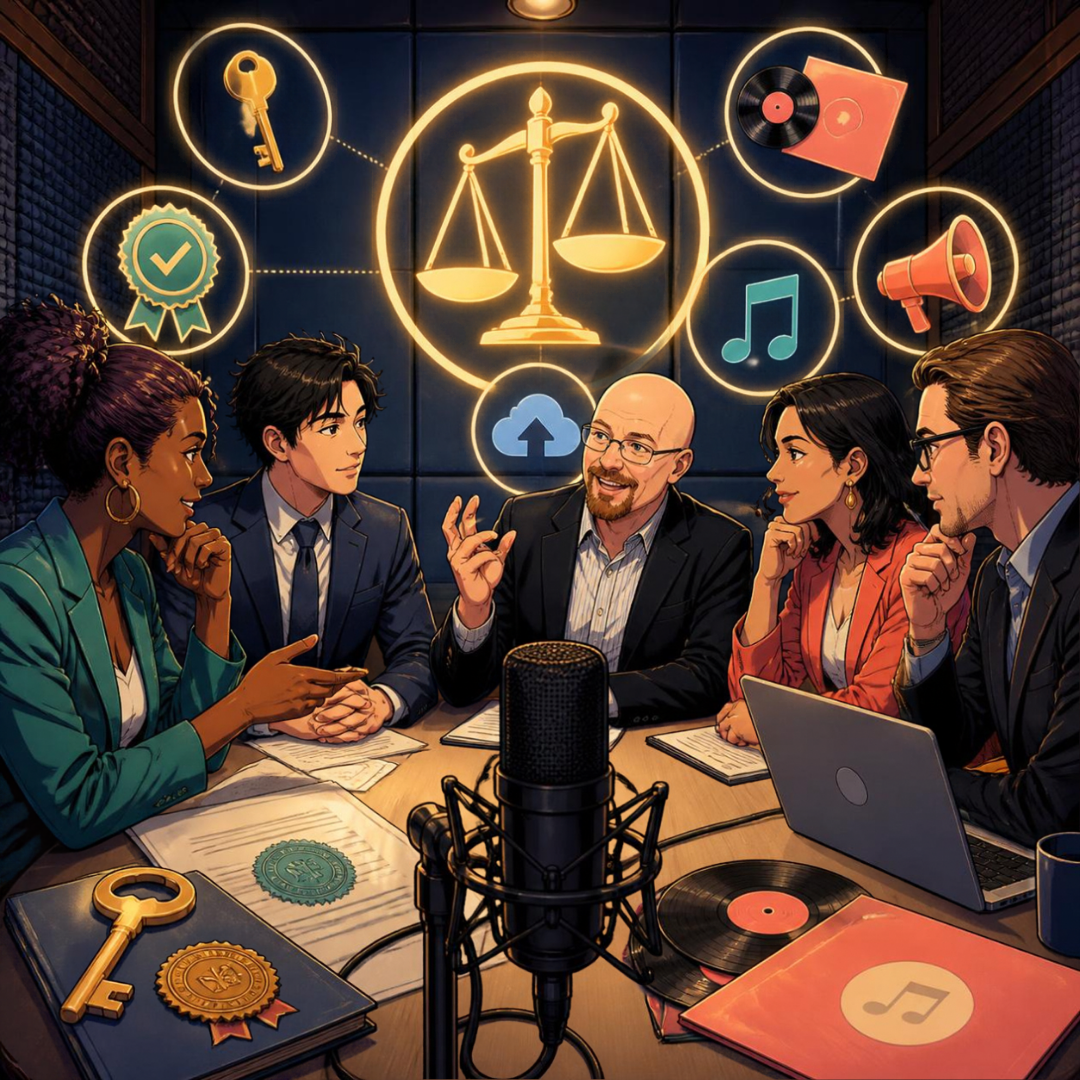
Meet Gordon Firemark, The Podcast Lawyer™, Before Early-Bird Pricing Ends

Gordon Firemark is widely known as The Podcast Lawyer™, and his work sits directly at the intersection that many lawyer-podcasters must understand: law, media, intellectual property, business, and publishing.

His professional background spans entertainment law, digital media, intellectual property, business matters, and new-media production. He has advised creative professionals and media businesses, and he has hosted and produced the long-running Entertainment Law Update podcast. That combination matters. Gordon understands podcasting not as an abstract legal category, but as a real publishing business with contracts, rights, risks, relationships, and long-term strategic choices.[7][3]

For lawyers who are serious about podcasting, this is an important addition to the conference program.

A polished episode may sound informal. The legal and business decisions behind it should not be casual. A podcast can include original music, third-party clips, guest appearances, interviews, video excerpts, AI-generated elements, sponsorship messages, affiliate disclosures, and listener engagement. Each choice can create obligations.

Gordon’s participation will help attendees think beyond the mechanics of recording. You will be able to consider the business and legal infrastructure that supports a podcast worth continuing.

That includes questions such as:

  • Who owns the podcast name, artwork, episode recordings, and show notes?

  • What permissions should you obtain from guests?

  • When does “fair use” become an unreliable production plan?

  • What should a lawyer understand before using music, clips, images, or AI-generated assets?

  • How should sponsorships, affiliates, and endorsements be disclosed?

  • What publishing decisions are easier to make correctly at the beginning than to fix later?

These are not academic questions. They are practical issues that affect whether your podcast becomes a dependable professional asset or an unnecessary source of risk.

Ethics Belong in the Workflow
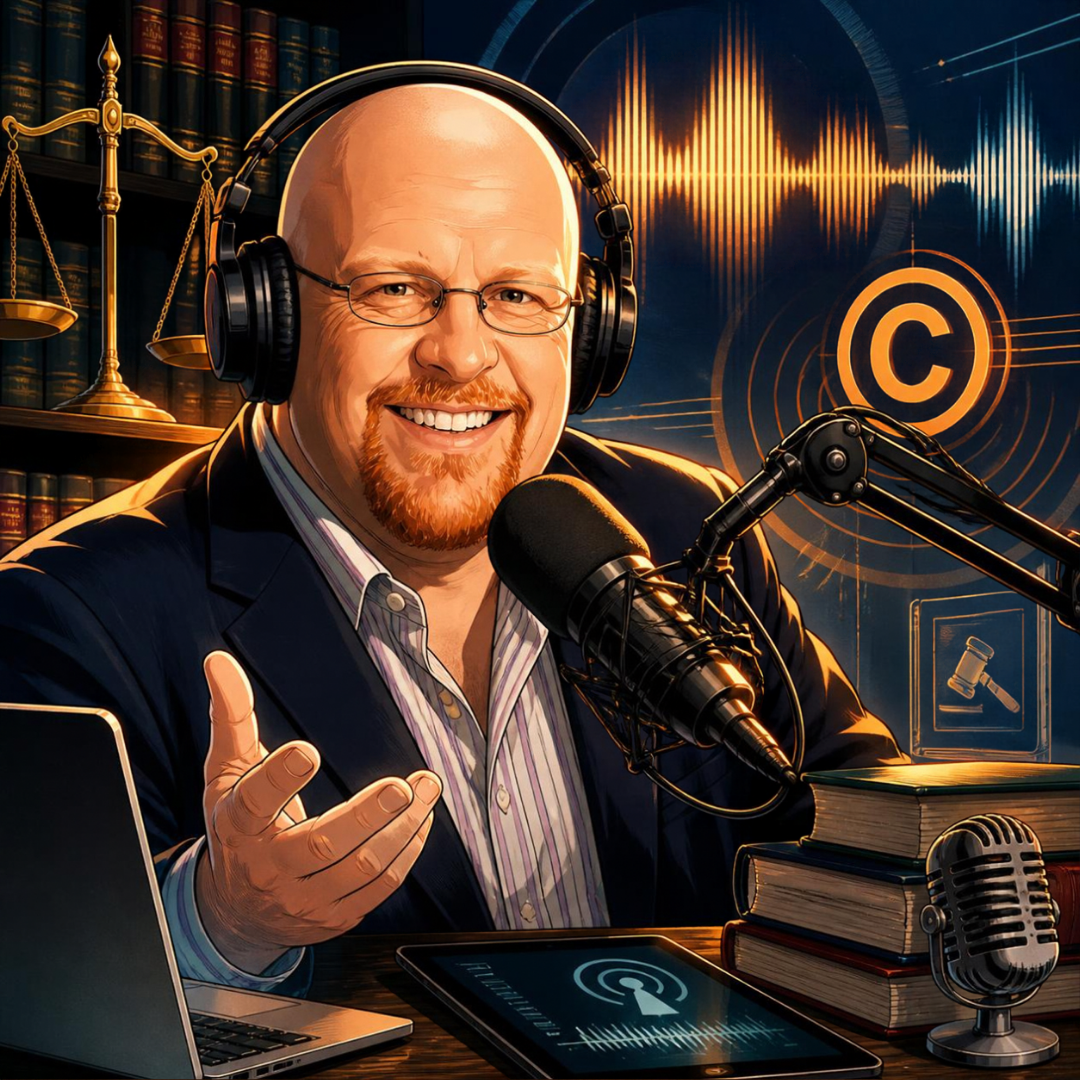
Register by September 30 for Gordon Firemark’s Legal Podcasting Insights

Lawyer podcasting is a form of public communication. That means ethics should be part of the production workflow—not an afterthought added to a disclaimer.

ABA Model Rule 1.1, including Comment 8, addresses a lawyer’s obligation to keep abreast of the benefits and risks associated with relevant technology. A lawyer does not need to master every audio platform, transcription service, hosting provider, or AI-editing tool. The lawyer does need enough understanding to make competent choices about those systems. 🎙️

For podcasters, that means asking practical questions before recording and publishing:

  • Where will audio and video files be stored?

  • Does an AI transcription or editing service retain training rights?

  • Who has access to raw recordings, transcripts, guest information, and unpublished episodes?

  • What is the review process before show notes, captions, clips, and promotional posts go live?

Model Rule 1.6 is equally important. A story can be compelling without identifying a client, but “anonymous” does not always mean unidentifiable. A combination of facts, timing, location, industry references, or unusual circumstances may reveal more than a lawyer intends. When a client story is recognizable or commercially useful, written informed consent is often the safer route.

Then there are Model Rules 7.1 through 7.3. A podcast can be a communication about a lawyer’s services. Statements about experience, results, specialization, fees, or client outcomes must not be false or misleading. Lawyers must also evaluate their own jurisdiction’s advertising and solicitation rules, including any disclaimers, filing requirements, or record-retention obligations that apply to the content they publish.

Model Rule 5.5 deserves attention when a local practice publishes to a national or global audience. Listeners may hear a helpful episode and then ask for individual advice through a comment, direct message, or intake form. A clear workflow for responding to those inquiries helps preserve the distinction between general educational content and an attorney-client relationship.

Finally, Model Rule 5.3 matters when lawyers delegate production work to editors, agencies, virtual assistants, or technology vendors. Delegation is smart. Supervision remains essential. Lawyers should set expectations, protect confidential information, review materials before publication, and retain final editorial judgment.

What You Will Build

The Lawyers’ Podcasting Conference is not a passive listening event. It is a two-day opportunity to develop a clearer plan for your show and your publishing process. 🛠️

You will work through the real decisions that make a podcast viable:

  • Defining an audience and premise that fit your legal practice.

  • Choosing a sustainable episode format and publishing cadence.

  • Creating a straightforward recording and editing workflow.

  • Using video, clips, transcripts, show notes, and distribution channels wisely.

  • Addressing legal ethics, client confidentiality, advertising, intellectual property, and vendor oversight.

  • Evaluating where AI can save time—and where human review remains nonnegotiable.

  • Building a professional podcast that supports reputation, relationships, education, and business development without becoming another unmanageable obligation.

Podcasting is especially powerful when it becomes part of a broader publishing system. One well-planned episode can generate an article, newsletter segment, LinkedIn discussion, short video clip, episode notes, and a resource page. That is not content for content’s sake. It is a deliberate way to make your professional knowledge easier for the right audience to discover and trust.

Our earlier post, “Questions About the Lawyer’s Podcasting Conference? Email Me Before Early-Bird Pricing Ends September 30, 2026,” explains the practical registration details. You can also read about Robert Ingalls of Lawpods joining the conference and our earlier speaker announcement for Carolyn Elefant.

Register Before Midnight
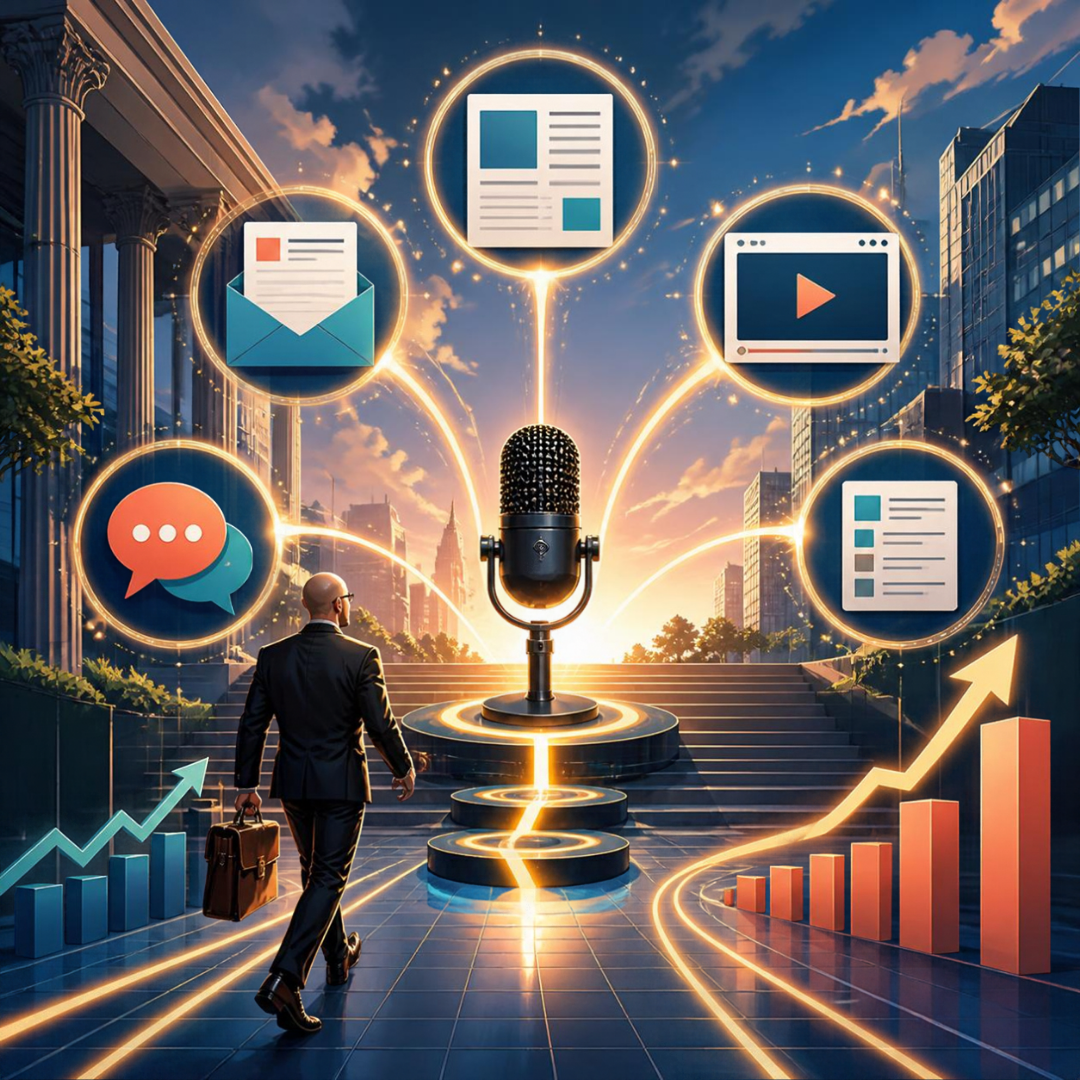
Build a Sustainable Legal Podcast With Ethics and Strategy

The early-bird deadline is not an artificial countdown. It is the final day to secure the conference for $499.99, before the regular registration rate becomes $749.99. Firms sending two attendees receive an additional $25 off per seat, and groups of four or more receive $50 off per seat during the early-bird period. Register here!

If you have been thinking about launching a legal podcast, rebooting a stalled show, or bringing more structure to a podcast that already exists, this is the time to commit. 📅

Join us in McLean this November. Learn from people who understand both the technology and the professional responsibilities that come with publishing as a lawyer. And now, learn from Gordon Firemark, The Podcast Lawyer™, about the legal and business decisions that help a podcast endure.

🎙️ Register for the Lawyers’ Podcasting Conference before midnight tonight.
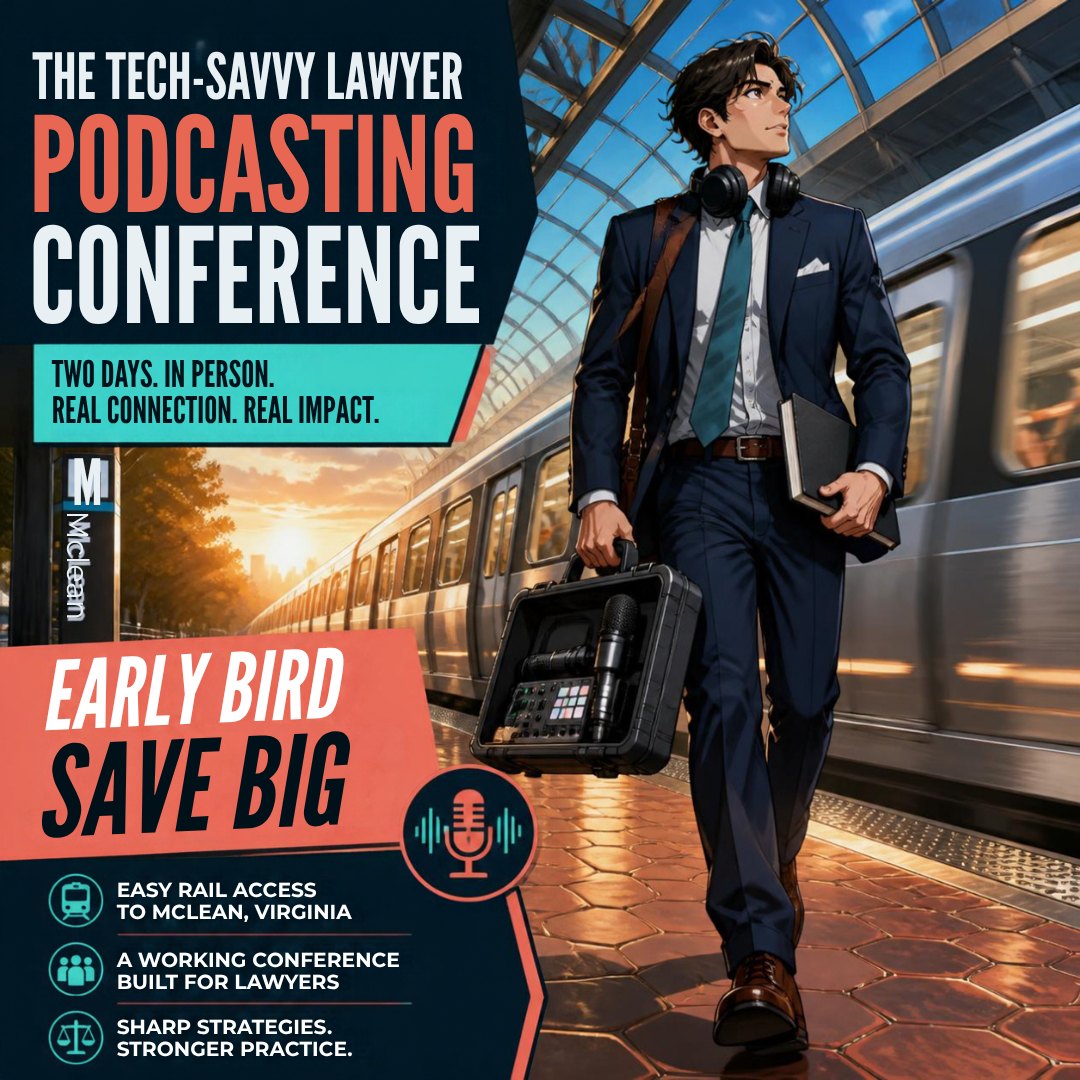
ANNOUNCEMENT: 🌞 Early Bird 🦅 Registration Is Open: Save $250 on The Tech-Savvy Lawyer Lawyers’ Podcasting Conference!

Early-Bird Legal Podcasting Conference for Lawyers in McLean

If you have been waiting for the right time to turn your legal knowledge into a credible, ethical, and sustainable podcast, this is it. Early Bird registration for The Tech-Savvy Lawyer Lawyers’ Podcasting Conference is now $499.99 through midnight on September 30, 2026—a $250 savings before the regular rate of $749.99 takes effect. 🎧

The conference takes place Friday, November 13, and Saturday, November 14, 2026, at 1765 Greensboro Station Place, 9th Floor, McLean, Virginia 22102. It is a one-minute walk from the Greensboro Metro station on the Silver Line. That means attendees can arrive from Dulles or Reagan National by rail, skip the rental car, and spend their time on what matters: building a podcast strategy that fits their practice. 🚇

This is not a generic creator conference with a legal panel squeezed into the schedule. It is a two-day, in-person working conference for lawyers who want to launch, improve, or responsibly grow a podcast. The program is designed for solo practitioners, small-firm lawyers, legal technologists, bar leaders, and professionals who understand that publishing is now part of professional visibility.

Podcasting is not simply a marketing tactic. Done well, it is a practical way to teach, build trust, develop referral relationships, and create an enduring body of searchable content. As I wrote in “MTC: Hidden AI, GEO, and the ABA Model Rules”, prospective clients increasingly encounter lawyers through search engines and generative AI systems before they ever visit a firm website. A thoughtful catalog of episodes, transcripts, show notes, and related articles gives those systems meaningful material to find, attribute, and summarize. 🔎

A bare biography page tells people where you went to school. A useful podcast can show them how you think.

What You Will Learn

Master Legal Podcasting to Amplify Expertise and Impact

The conference follows the practical framework of “The Lawyer’s Guide to Podcasting”, then takes the work further through demonstrations, hands-on labs, peer discussion, and implementation planning.

Day One focuses on the strategic and technical foundation:

  • Choosing a niche, audience, and show concept that a busy lawyer can sustain.

  • Selecting among solo, interview, panel, case-study, and educational formats.

  • Using SEO and generative-engine optimization to make each episode easier to find.

  • Building a gear setup that matches your budget, from a credible starter kit to a full studio workflow. 🎛️

  • Recording in an office environment without overlooking sound quality or confidentiality.

  • Learning through hands-on audio and video labs.

  • Watching a live recording and post-recording teardown during the evening reception. 🍷

Day Two moves from recording to publication and growth:

  • Inviting guests, preparing interviews, and using release forms.

  • Editing, show notes, transcripts, and publication checklists.

  • Hosting platforms, RSS ownership, directory distribution, and website integration.

  • Repurposing each episode for newsletters, LinkedIn, video clips, articles, and social media.

  • Building a cadence that supports a practice instead of consuming it.

  • Measuring success through meaningful indicators, including referral relationships and qualified inquiries—not merely downloads.

The agenda remains a working program while faculty confirmations continue. That is intentional. I would rather refine the schedule than lock in a lineup that does not serve the lawyers in the room. 📌 Speaker announcements will continue as participants confirm.

Ethics Is Not an Add-On ⚖️

Save on the Lawyers’ Podcasting Conference: Register Early

The ethics block is the centerpiece of the conference, not a last-minute disclaimer slide.

Lawyers who podcast need more than a microphone and a clever title. They need a process for identifying professional-responsibility issues before publication. ABA Model Rule 1.1, especially Comment 8, requires lawyers to keep abreast of the benefits and risks associated with relevant technology. That duty reaches podcasting tools, AI-assisted editing, automated transcription, synthetic media, and distribution platforms.

Rule 1.6 governs client confidentiality. A story can be “anonymized” and still identify a client, a matter, or a person connected to a matter. Rules 7.1 7.1 through 7.3 matter because a podcast may communicate information about a lawyer’s services and may trigger state-specific advertising or solicitation rules. Rule 5.5 deserves attention once your audience reaches beyond your licensing jurisdiction. Rule 5.3 applies when editors, contractors, virtual assistants, or AI tools handle content that could implicate client information or public-facing legal communications.

And when AI is in the production workflow, verification remains nonnegotiable. I made that point in “MTC: Even Though AI Hallucinations Are Down, Lawyers Still Must Verify AI, Guard PII, and Follow ABA Ethics Rules”. A polished transcript can misstate a legal authority. An AI-generated summary can omit context. A synthetic clip can create disclosure and trust issues. Every attendee should leave with an ethics checklist that reflects their own jurisdiction and workflow. ✅

Bring a Colleague and Save

Podcasting works better when it is not a solitary project. Bring a colleague, an associate, a marketing professional, or the person who will help your firm execute the plan after the conference.

Bulk-seat savings apply to the Early Bird registration price:

  • Purchase 2 seats and save $25 per seat.

  • Purchase 4 or more seats and save $50 per seat.

That makes this an especially practical opportunity for small firms, practice groups, legal-tech teams, bar associations, and law-school programs that want a shared approach to thought leadership and responsible digital publishing. 🤝

Register Before September 30

thical Legal Podcasting: Turn Expertise into Searchable Trust

Early Bird pricing ends at midnight on September 30, 2026. After that, the full registration rate is $749.99.

Two days. Real equipment. A practical publishing plan. A serious ethics discussion. And a room full of lawyers who understand that professional visibility should be built carefully, not improvised. 🎙️

Register now, save $250, and join us in McLean this November for The Tech-Savvy Lawyer Lawyers’ Podcasting Conference.

Follow for more conference details: https://www.thetechsavvylawyer.page/lpcinfo

Purchase your ticket(s) today: https://square.link/u/QYCEaV3M

*Note: If the discount is not applied, please let us know, and we will refund the discount asap!

Shout Out! A Thunderstorm, Three Books, and a Room Full of Lawyers: Shout Out from The Lawyer’s Guide to Podcasting Launch 🌩🎙

Seth price 📒 Carolyn Elefant 📒 Mindy Eisenberg 📒 Michael D.J. Eisenberg 📒 Wendy meadows 📒 scott

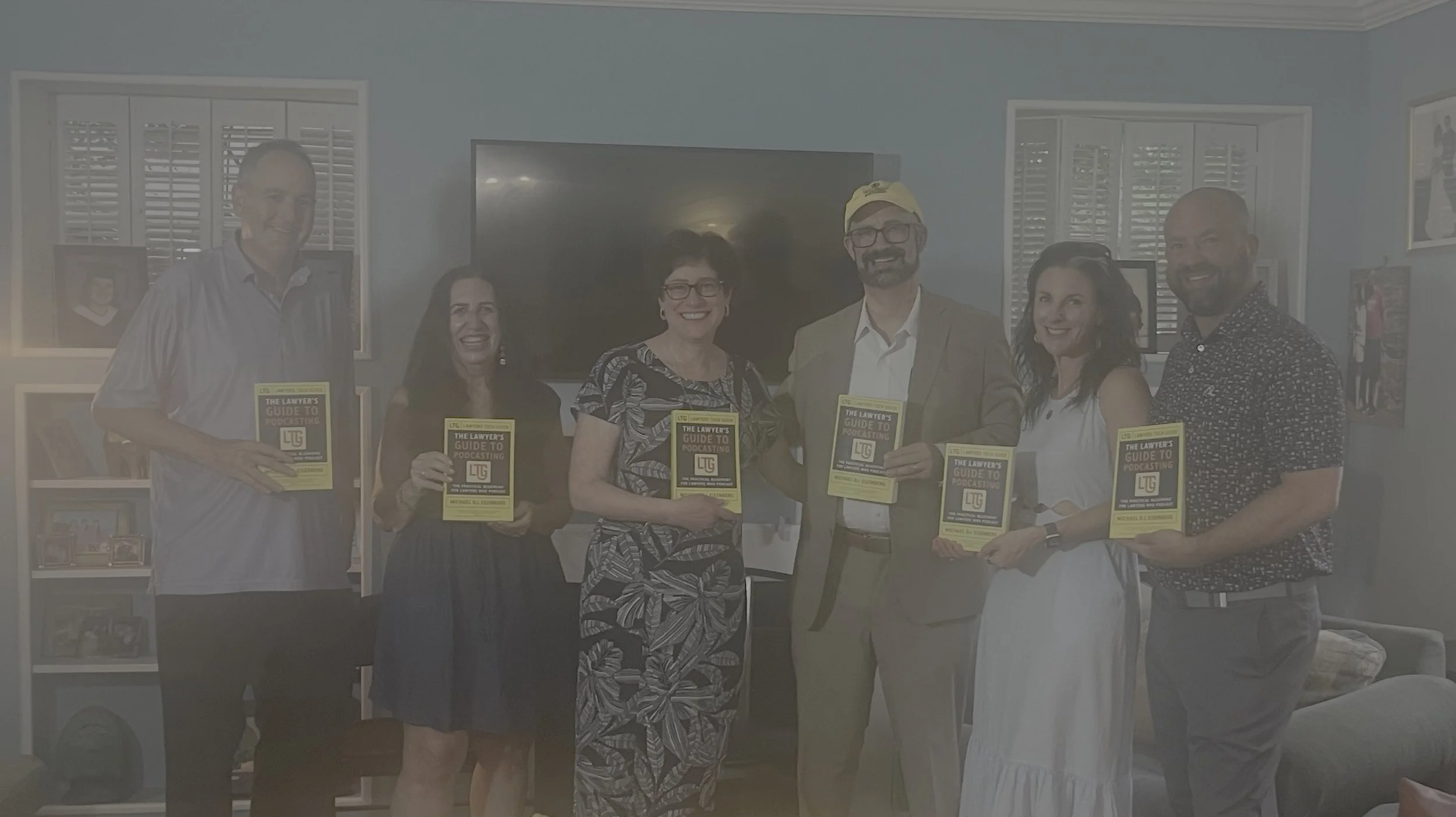
On May 20 in Bethesda, we launched The Lawyer's Guide to Podcasting: Building Your Brand, Audience, Tech Stack, and Expertise! with exactly the kind of energy I hoped this book would inspire: lawyers and legal professionals showing up for each other even as a serious thunderstorm rolled through the DMV. 🌧️🔥

Whether you braved the weather to come out, this post is for you. If you could not make it, think of this as your inside look at how a group of solos, small-firm lawyers, and AI‑curious professionals came together to talk about using podcasting as a serious business tool—one that fits comfortably within the guardrails of our ethics obligations under ABA Model Rules 1.1 (Competence), 1.6 (Confidentiality), and 7.1–7.3 (Communications about legal services).

A launch party built for working lawyers!

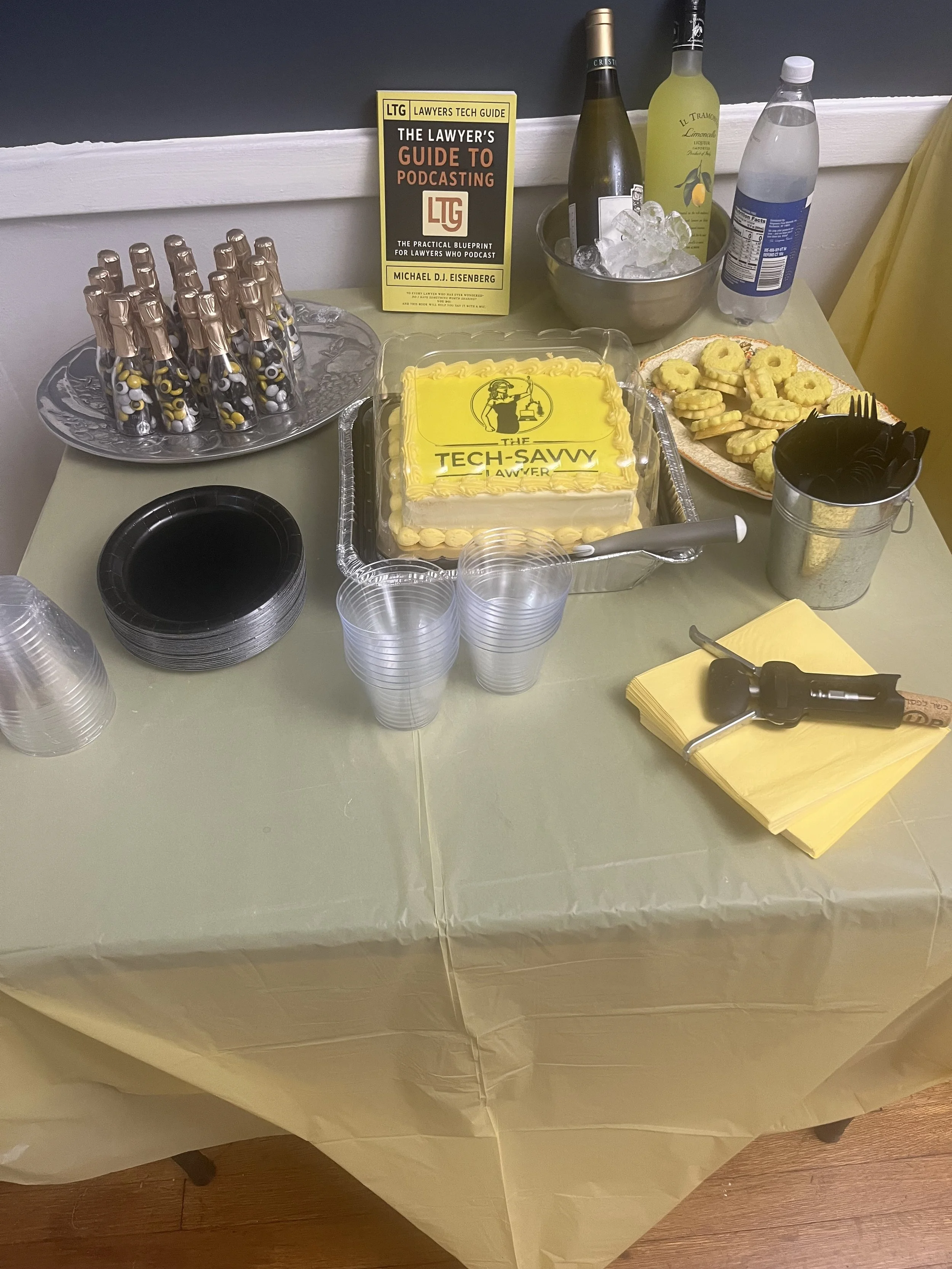
We gathered at the home of Carolyn Elefant in Bethesda—yes, in person, with real conversations and real snacks. 🥂 The goal was simple: make podcasting feel less like a mysterious “tech project” and more like a practical, repeatable part of your practice development strategy.

At the event, I walked through three concrete takeaways that mirror the book:

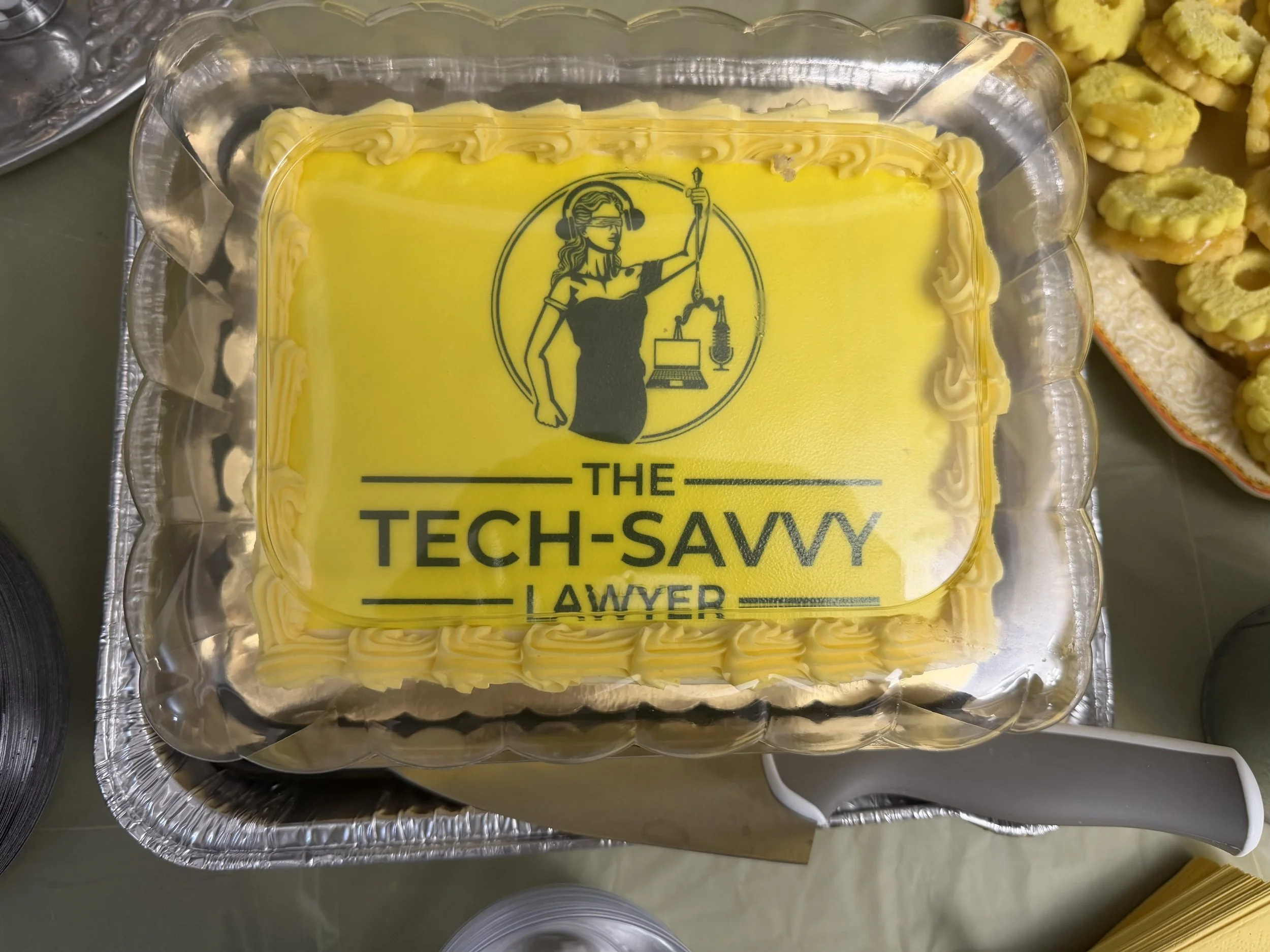
can’t have a launch party without cake!

  • A simple, lawyer‑tested podcast setup that you can actually keep running on a busy docket. 🎧

  • A short checklist of ethical and confidentiality questions to ask before you hit publish.

  • A set of ready‑to‑use episode ideas tailored to your practice area, so you are never staring at a blank calendar.

If those themes sound familiar, it is because they build on what we have discussed in prior posts and podcasts on the The Tech-Savvy Lawyer.Page. Together, they form the groundwork that became The Lawyer’s Guide to Podcasting: Building Your Brand, Audience, Tech Stack, and Expertise! 🎉

Shout Outs to the people who made the night! ⛈️

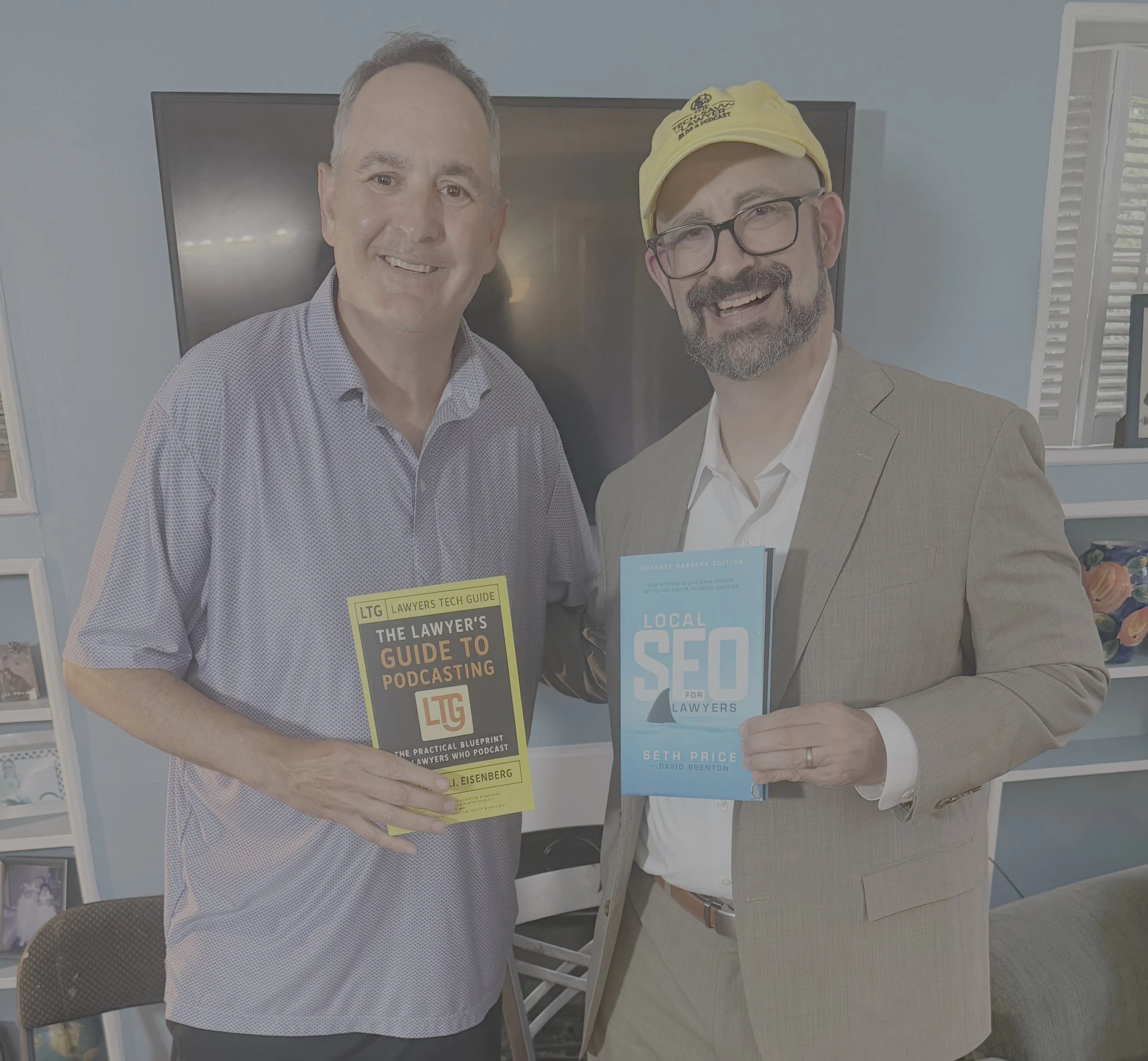
seth price and Michael D.J. Eisenberg exchange copies of their current releases!

A launch is never a solo act, even for a solo practitioner. I want to extend a very public, very appreciative shout out to a few people who made the evening special. 🙌

Finally, a heartfelt thanks to my wife and to every colleague, client, and friend who rearranged schedules and drove through a thunderstorm to be there. That kind of support is not just personally meaningful—it is a reminder that legal tech is at its best when it is rooted in community, not gadgets. 💙

Thank you Carolyn for hosting the book launch!

Why a podcasting book for lawyers—and why now?

If you follow the blog or listened to my guest appearance on Ruby Power’s “Power Up Your Practice”, Ep. 104: Legal Podcasting: The New Networking Standard, you have heard me say that podcasting is no longer a fringe experiment for lawyers. For solos, small‑to‑medium firms, and AI‑curious attorneys, a well‑designed podcast is:

  • An ongoing, searchable FAQ for your ideal clients.

  • A trust‑building channel for referral partners.

  • A training and onboarding tool for your own team.

In The Lawyer’s Guide to Podcasting, I walk through the tech stack and workflows that keep this realistic for a law practice, from microphones and recording platforms to editing, show notes, and ethical review. The idea is not to turn you into an audio engineer. The idea is to give you enough structure and competence that you work the basics yourself and delegate confidently without abdicating responsibility—very much in line with the duty of technological competence that is increasingly recognized under ABA Model Rule 1.1 and its state‑level interpretations.

Ethics, AI, and your voice behind the mic!🎙️

Many lawyers have told me that their hesitation about podcasting is not the microphone; it is the ethics. That is a healthy instinct. 👍

  • Model Rule 1.6 (Confidentiality) means no client can recognize themselves in your war stories without informed consent. In the book, I provide red‑flag questions and anonymization strategies you can bake into your outline before you record.

  • Model Rules 7.1–7.3 (Communications and Advertising) remind us that your podcast is marketing, direct or indirect, even when it feels like pure education. We cover how to structure disclaimers, avoid misleading “results‑typical” language, and respect solicitation limits while still giving real‑world examples.

  • For AI‑curious lawyers using tools like transcription, editing assistants, or AI‑drafted show notes, we address how to keep third‑party tools inside a framework that respects confidentiality and your supervisory responsibilities under the Rules.

If this resonates, you might also enjoy revisiting “Shout Out: Carolyn Elefant’s Review of Casetext v. ChatGPT!”, where she looked at AI in legal research through a similar ethics‑first lens. The same mindset applies here: use the tech, but do not outsource your judgment. 🧠

Where we go from here

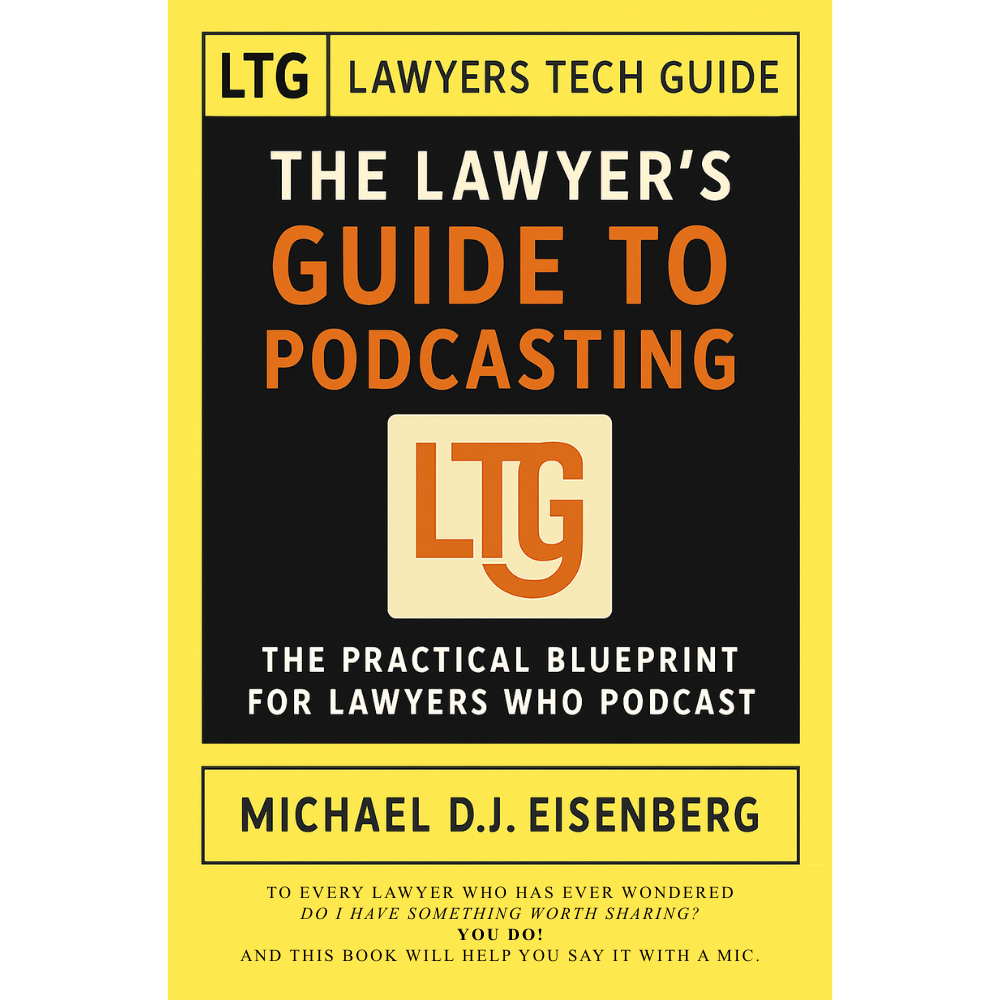
get your copy of The Lawyers tech guide: The lawyer’s guide to podcasting today on amazon!

The launch party was one evening; the conversation will continue in the weeks ahead on this blog and its podcast as we highlight chapters, interview fellow legal podcasters, and share templates you can adapt for your own show.

If you are a solo, a small‑firm partner, or an in‑house counsel looking for a practical roadmap, you can find The Lawyer's Guide to Podcasting: Building Your Brand, Audience, Tech Stack, and Expertise! on Amazon. My hope is simple: the next time a thunderstorm rolls through the DMV—or your own calendar—you will have a system that keeps your podcast, and your practice development, moving forward. 🌩🎙

TSL.P Podcast Special! Podcasting for Lawyers: The Truth Behind the Mic – ABA TECHSHOW 2026 (Special Audio‑Only Episode) 🎙️⚖️

This special episode features the audio‑only release of an ABA TECHSHOW 2026 panel I was excited to be part of: “Podcasting for Lawyers: The Truth Behind the Mic,” with moderator Ruby Powers and fellow panelists Gyi Tsakalakis and Stephanie Everett. 🎧 Instead of our usual one‑on‑one format, you will hear a live, conference‑style conversation about how lawyers can use podcasting, video, and modern legal technology to build authority, strengthen client and referral relationships, and stay aligned with legal‑ethics and professionalism rules.

Join Ruby, Gyi, Stephanie, and me as we discuss the following three questions and more!

  1. How can lawyers design and sustain a podcast that supports their practice goals and speaks to a clearly defined audience?

  2. What practical tech stacks—microphones, recording platforms, hosting services, and workflow tools—are realistic for busy attorneys and legal professionals?

  3. How do podcasting, video, and short‑form content contribute to SEO, GEO, and long‑term business development for law firms?

In our conversation, we cover the following

  • 00:00 – Welcome to ABA TECHSHOW 2026 and introduction of the panel: Ruby Powers (moderator), Gyi Tsakalakis, Stephanie Everett, and Michael D.J. Eisenberg. 🎙️

  • 02:00 – Each panelist explains their podcast, ideal listener, and why they chose podcasting as a medium.

  • 06:00 – Publishing cadence: weekly, bi‑weekly, and how consistency drives listener trust and download growth.

  • 10:00 – Adding video and YouTube to audio‑only shows and how video clips improve discovery on social media.

  • 14:00 – DIY production vs. using producers, internal teams, or podcast networks, including time and cost trade‑offs.

  • 18:00 – Core tech stacks in practice: microphones, Zoom, Riverside, StreamYard, Descript, Libsyn, Calendly, Buffer, and other essentials. 💻

  • 24:00 – Guest selection, outreach, and sound checks; when to decline an appearance or reschedule due to poor audio or bad fit.

  • 30:00 – Using podcast hosting analytics and social‑platform insights to understand who is listening and what resonates.

  • 35:00 – Podcasting as networking and “virtual coffee”: building relationships with lawyers, experts, and vendors. ☕

  • 40:00 – SEO and GEO benefits: how episodes create long‑tail visibility in search, and why attribution still matters.

  • 45:00 – Ethics and professionalism: confidentiality, bar‑advertising rules, disclaimers, and avoiding client‑identifying facts. ⚖️

  • 52:00 – Final advice for lawyers on the fence about starting a podcast and how to improve with each episode instead of waiting for perfection.

RESOURCES

Connect with the panel

Mentioned in the episode (non‑hardware / non‑software)

Hardware mentioned in the conversation

Software & Cloud Services mentioned in the conversation

MTC: Why Lawyers Should Podcast in 2026: Human Connection, Authority Building, and Tech-Smart Growth for Your Law Practice 🎙️⚖️

For nearly six years, podcasting has been more than a business development tool to me; it has been a way to talk about topics that matter, in a format that feels natural, conversational, and—even for lawyers—fun. 🎧 Podcasting lets the public, and potential clients, get to know you as a person instead of just a name on a website or a face on a billboard, and that human connection is rapidly becoming the real differentiator in a crowded legal marketplace.

podcasting can be a key to a lawyer’s marketing strategy and maybe allow lawyers to have a little fun too!

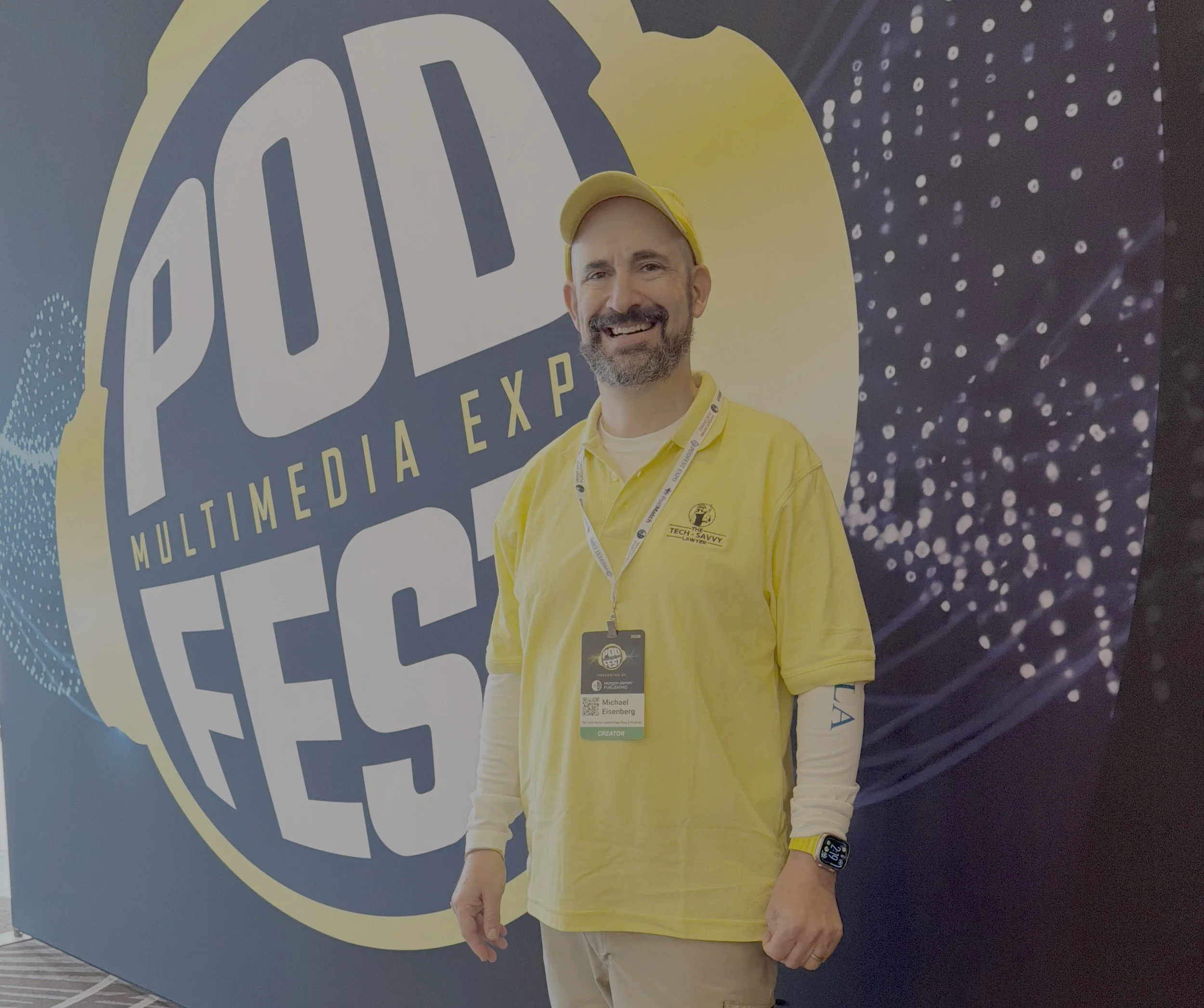
At PODFEST EXPO 2026 in Orlando, I sat down with a remarkable panel of lawyers, former lawyers, and legal professionals for a “pop‑up” roundtable on why lawyers should podcast. My guests included Dennis “DM” Meador of The Legal Podcast Network, Louis Goodman of Love Thy Lawyer, previous podcast guest Robert Ingalls of LawPods, personal‑branding expert Wendi Weiner of The Writing Guru, and Elizabeth Gearhart of Passage to Profit. Together, we explored not just why lawyers should podcast, but how podcasting can support branding, authenticity, and even your visibility in search engines and large language models (LLMs).

Several themes emerged. First, podcasting is now a trusted medium for younger generations; DM noted that for Gen Z and Gen Alpha, podcasts and short-form video are top information sources, and if you “don’t want to dance on TikTok, get a podcast.” Second, a show can function as an “electronic résumé,” as Louis described, demonstrating your consistency, curiosity, and staying power far better than a static bio ever will. Third, a podcast is a powerful filter: by sharing your real voice—salty language and all, if that is true to you—your audience quickly learns whether you are “their” lawyer or not, which matters in multi‑year relationships such as injury or family law matters.

Podcasting is also a networking and authority engine. Elizabeth emphasized how Passage to Profit has grown from a radio show into a nationally syndicated podcast that not only builds trust with human listeners but also increases her firm’s presence in tools like ChatGPT, Gemini, and Perplexity. By repurposing podcast transcripts and show notes intelligently, she has observed measurable traffic from LLMs to the Gerhardt Law website—proof that conversational content can improve your visibility in the emerging “language-based internet.” Wendi highlighted that podcasting dovetails perfectly with personal branding: it is a scalable way to tell your story, show your “superpower,” and convey your unique value beyond the four corners of a résumé.

Lawyers can gain invaluable insights from podcasting conferences like Podfest, enhancing their firms’ marketing, online visibility, and overall digital presence.

Of course, podcasting is not only about business. For many of us, it began as a hobby or a creative outlet that happened to support SEO, referrals, and professional relationships along the way. The lawyers on the panel repeatedly stressed that you do not have to talk exclusively about black‑letter law: you can focus on entrepreneurship, technology, careers, politics, or any niche that authentically reflects who you are and the clients you want to serve.

That balance between enjoyment and strategy is exactly why The Lawyer’s Tech Guide: The Lawyer’s Guide to Podcasting exists. 📘 This new book, just released today, breaks down the who, what, why, where, and how of podcasting for lawyers—from equipment and workflow to ethics, marketing, and monetization—so you can launch a show that is both sustainable and aligned with your practice and values. You can grab your copy on Amazon and start turning your expertise and personality into a discoverable, binge‑worthy asset for your clients, colleagues, and community.

📢 Stay tuned! The roundtable episode from Podfest 2026 drops tomorrow. You will hear directly from DM, Louis, Robert, Wendi, and Elizabeth as they share the candid, practical advice that every tech‑curious lawyer thinking about podcasting needs to hear. 🎙️