
🎙️ Save the Date: The Lawyer's Podcasting Conference Comes to the DC Metro Area November 13–14, 2026 ⚖️
/Mark your calendar. 🗓️ The Lawyer's Podcasting Conference has dates, and it has an address.
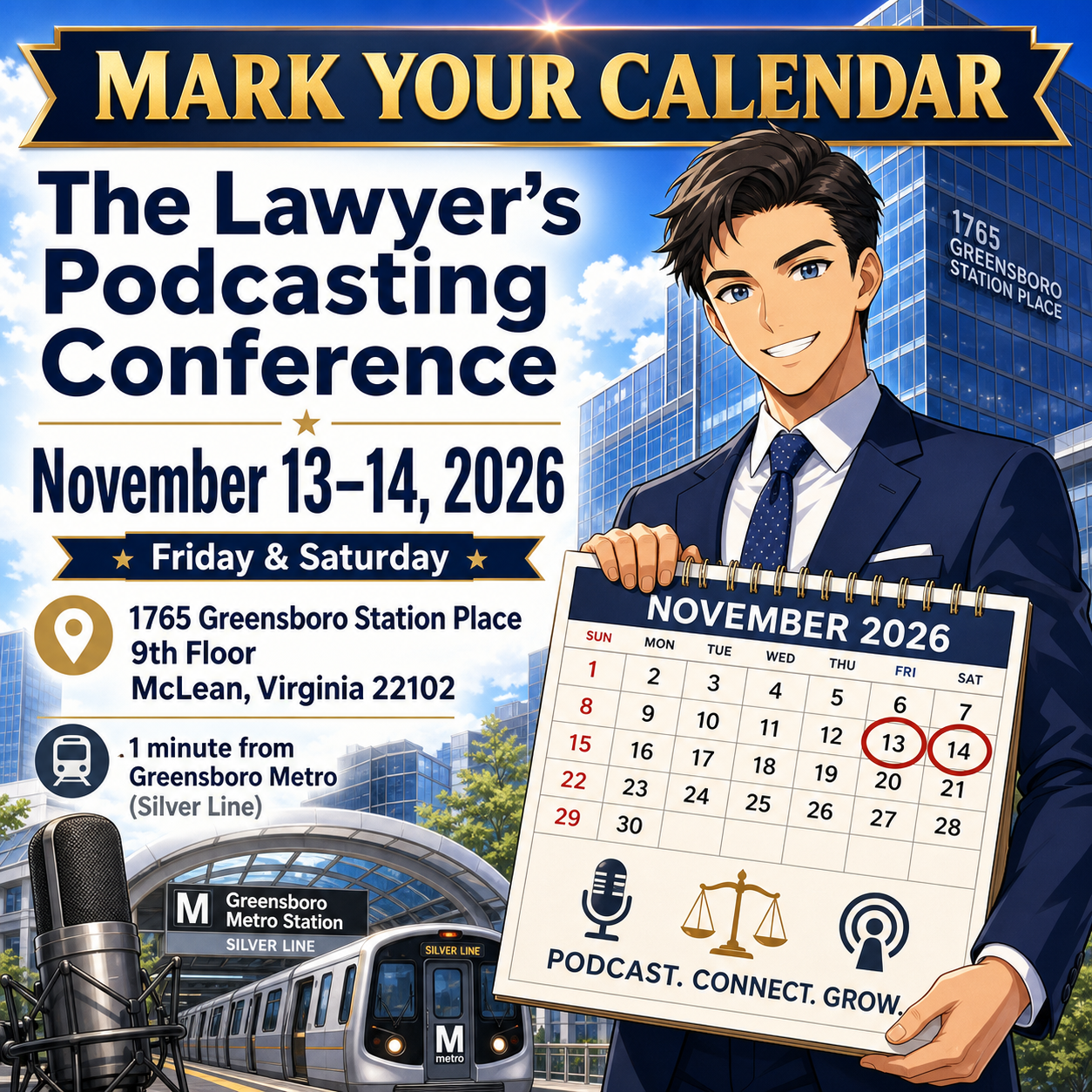
save the date, the location is set, more to come!
We are gathering on Friday, November 13, and Saturday, November 14, 2026, at 1765 Greensboro Station Place, 9th Floor, McLean, Virginia 22102. The building sits roughly one minute on foot from the Greensboro Metro station on the Silver Line (Boro Station property details). Fly into Dulles or Reagan National, ride the train, walk to the ninth floor. No rental car. Whole Foods and a dozen restaurants sit within two minutes on foot, which matters when eighty lawyers need lunch at once. 🚇
I announced this event back in July, when the dates were still tentative (Announcing the Lawyer's Podcasting Conference). They are locked now. Reserve them.
Why a whole conference about lawyers and microphones? 🤔
Because the alternative is worse. Your prospective clients are asking an AI assistant, “Who handles their kind of problem?” That assistant answers from indexed, structured, attributable content. A lawyer with sixty published episodes, transcripts, and show notes is discoverable. A lawyer with a static bio page is a rumor.
I have written about this shift and its ethical edges before, in MTC: Hidden AI, GEO, and the ABA Model Rules. Generative engine optimization is not a marketing fad. It is the new front door to your practice. 🚪
Podcasting also does something a blog post cannot. It puts your voice in a client's ear during a commute. It builds the trust that converts a referral into a retainer. And it forces you to stay current, because you cannot record a coherent episode about a rule you have not read.
What the two days cover 🎧

lawyers, come learn the reasons, benefits, and steps to start your own podcast for your firm!
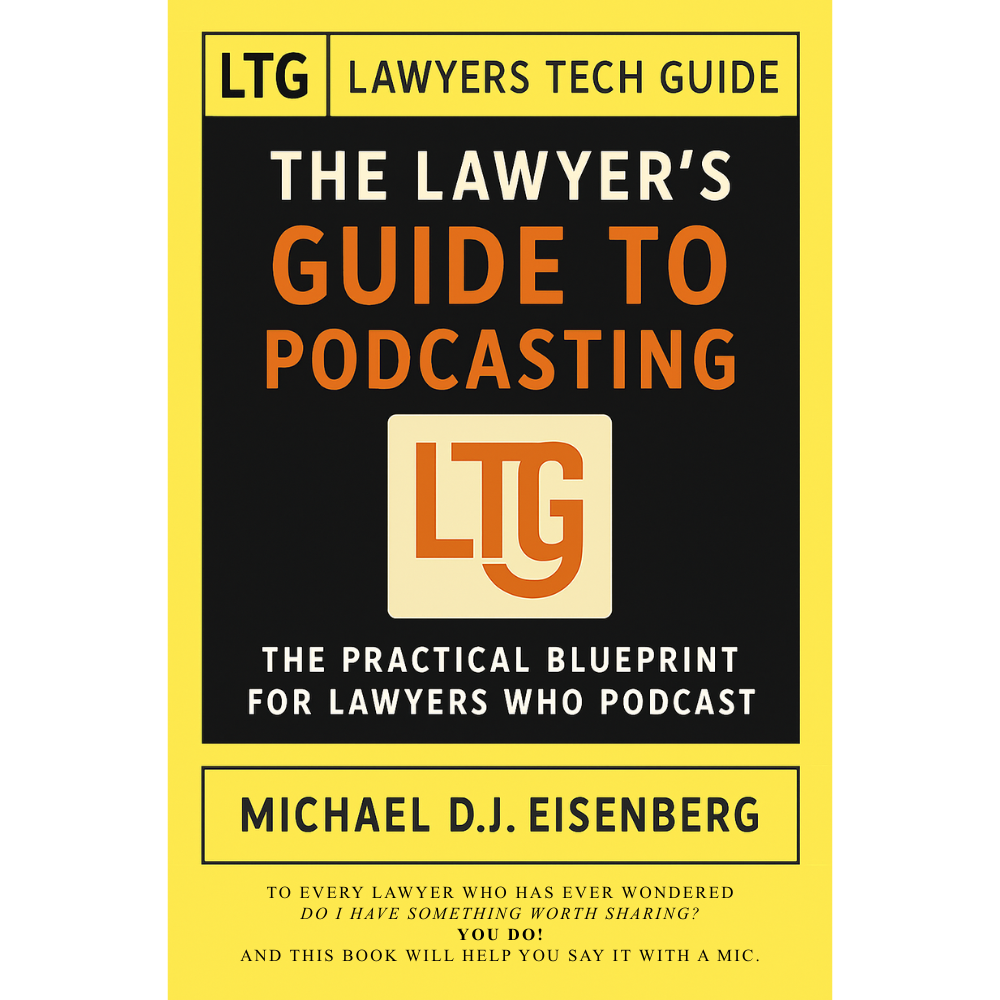
The program follows the spine of The Lawyer's Guide to Podcasting, and then goes further than a book can.
Day One answers why, what, and with what. We open with the business case for podcasting as thought leadership. We move into SEO and GEO for lawyer-podcasters. We work through choosing a topic and defining an audience, because "law" is not a niche. We cover the five show formats — solo commentary, interviews, panels, case-study storytelling, and educational series — and help you pick the one your calendar can actually sustain.
Then comes the gear. 🎛️ We will cover three honest tiers: the laptop-and-earbuds start, the credible upgrade, and the studio build. We will talk about recording inside a law office, where HVAC noise is a real problem and confidentiality is a design requirement. We hope to have hands-on labs to follow, so you hear the difference between rigs rather than reading about it and then a live episode recording with a full teardown afterward. 🍷
Day Two gets your show published. Guests, prep, and release forms. Editing, show notes, and the human review that AI-assisted production still requires. Hosting platforms, RSS ownership, and directory submissions. Marketing, repurposing, and audience growth.
One honest note. 📌 The schedule is still being fine-tuned. Session order, timing, and length will shift as faculty confirm, and I would rather adjust the grid than lock a weak lineup. I am in active discussions with additional speakers and panelists, and I will announce them as they sign on. Watch this space, and think of the outline above as the shape of the program rather than the final grid.
The ethics block is the centerpiece ⚖️
This is where too many legal podcasts go sideways, so we are giving it a dedicated session and designing it for CLE submission.
Rule 1.6 governs the client story you want to tell — anonymized facts can still identify a client, and informed consent belongs in writing. Rules 7.1 through 7.3 matter because a podcast is often a communication about your services, and the advertising rules vary meaningfully by jurisdiction. Rule 5.5 deserves attention the moment your audience crosses state lines. Rule 1.1, read with Comment 8, is why technological competence is not optional. Rule 5.3 covers your editor, your virtual assistant, and the AI tools handling your audio. And Rule 8.4(c) should govern how you disclose synthetic voice and AI-generated content. I have hammered on verification duties before (MTC: Even Though AI Hallucinations Are Down), and a published episode is no place to relax them.
We close the block with a working session where you pull your own jurisdiction's rules and mark the three that bind you most. 📋
Vendors and sponsors: let's talk 📣
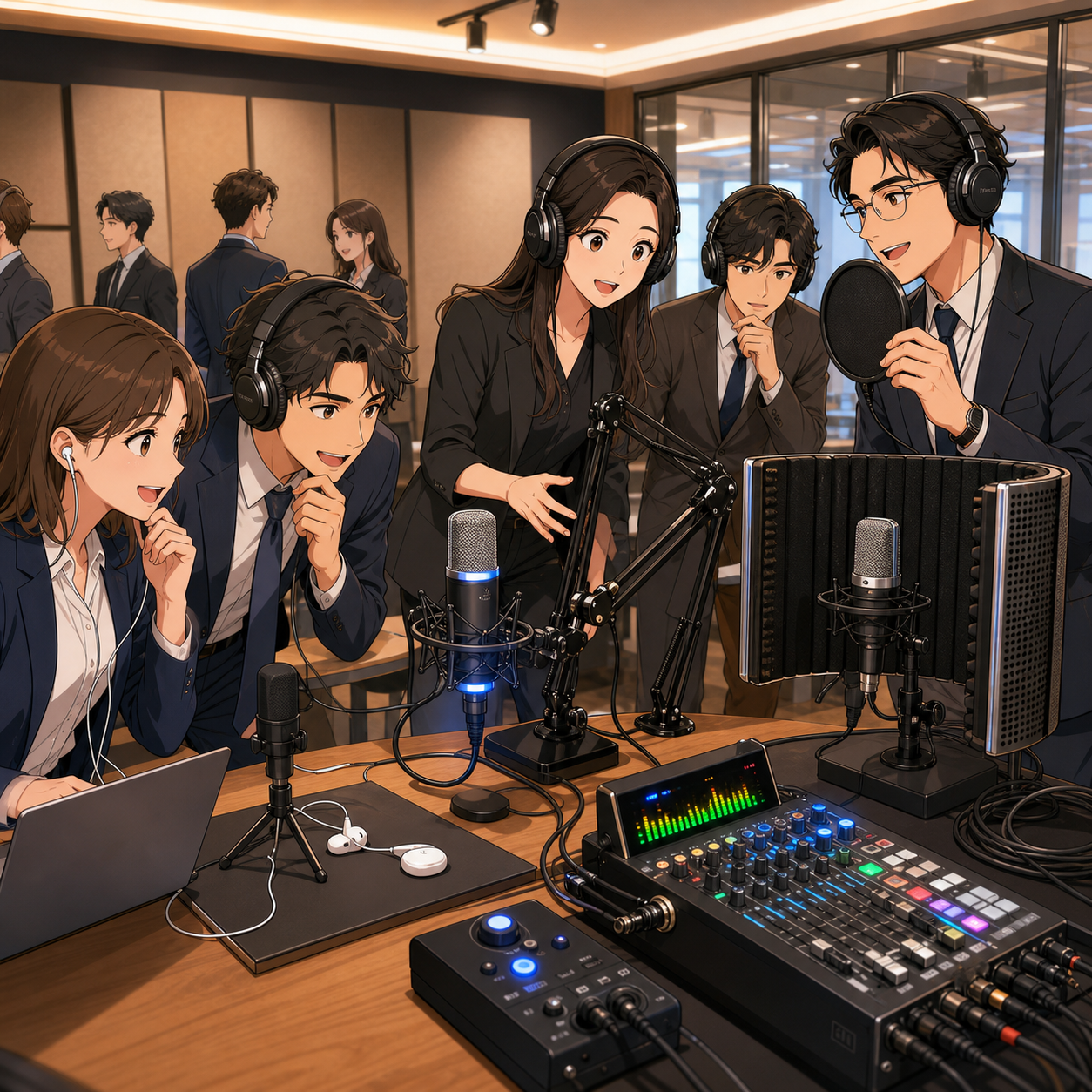
come see and learn from those who know!
If you sell microphones, cameras, hosting, transcription, editing services, CRM, or practice-management software to lawyers, this room is your buyer. Solo and small-firm attorneys arrive ready to spend on gear and services within ninety days. Sponsorship tiers, demo tables, and lab-station placements are open now. Reach out early — the gear lab has limited stations.
Reserve the dates 🎙️
Registration opens soon, and speaker announcements start rolling out before then. Details, updates, and the sponsor prospectus as they go live on the conference information page – add your e-mail to stay up-to-date on fast-developing news! Put November 13–14, 2026 on your calendar today, stay tuned for the faculty reveal, and bring the show you have been meaning to start. 🎤