
Word 📖 of the Week: Why Lawyers Need to Know the Term “Constitutional AI”
/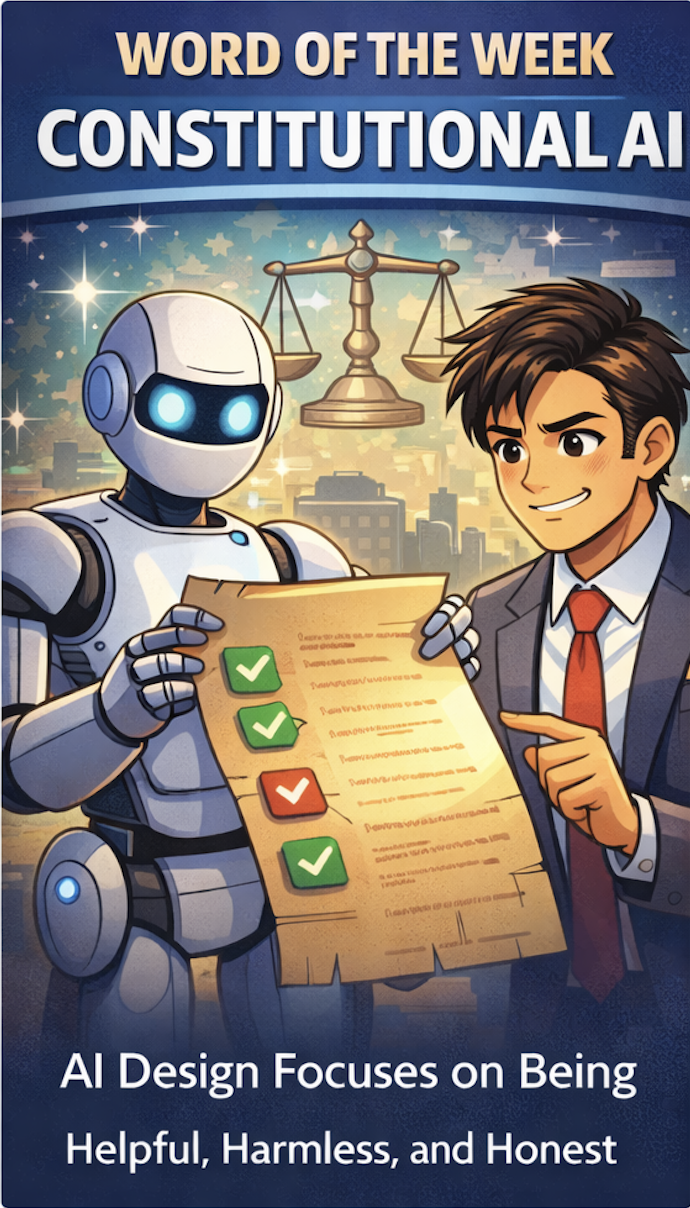
“Constitutional AI” is a design framework for artificial intelligence that aims to make AI systems helpful, harmless, and honest by training them to follow a defined set of higher‑level rules, much like a constitution. 🤖📜 For lawyers, this is not abstract theory; it connects directly to duties of technological competence, confidentiality, and supervision under the ABA Model Rules.
Most legal professionals now rely on AI‑enabled tools in research, drafting, e‑discovery, document automation, and client communication. These tools may use generative AI in the background even when the marketing materials do not emphasize “AI.” Constitutional AI gives you a practical way to evaluate those tools: are they structured to avoid hallucinations, protect confidential data, and resist being prompted into unethical behavior.
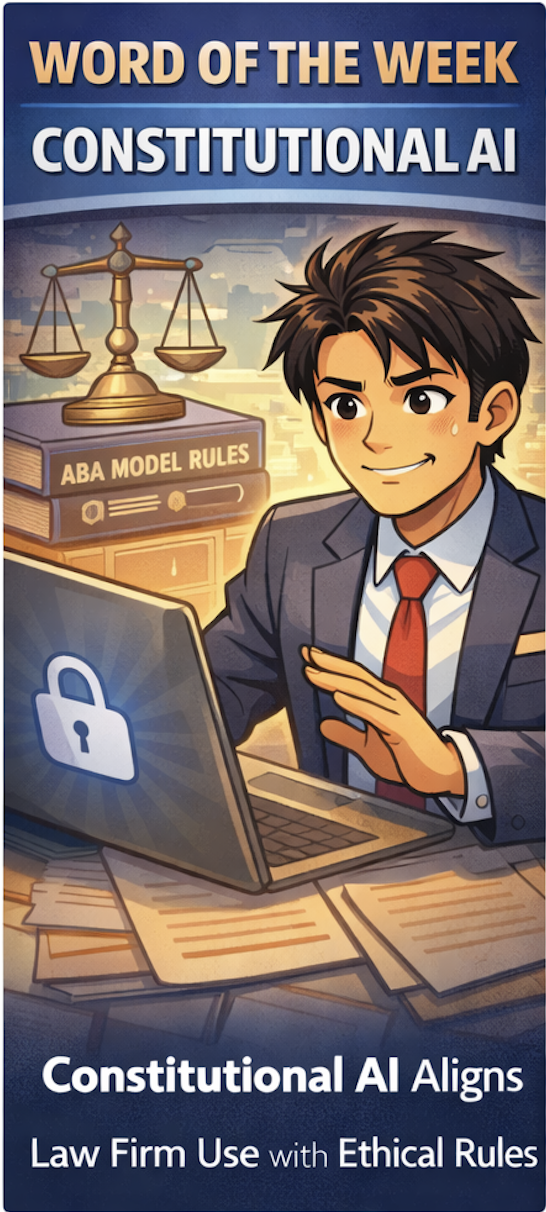
At a high level, a Constitutional AI system is trained to follow explicit principles, such as “do not fabricate legal citations,” “do not disclose confidential information,” and “do not assist in unlawful conduct.” The model learns to critique and revise its own outputs against those principles. For law firms, that aligns with the core expectations in ABA Model Rule 1.1 (competence) and its Comment 8, which require lawyers to understand the benefits and risks of relevant technology and stay current with changes in how these systems work. ⚖️
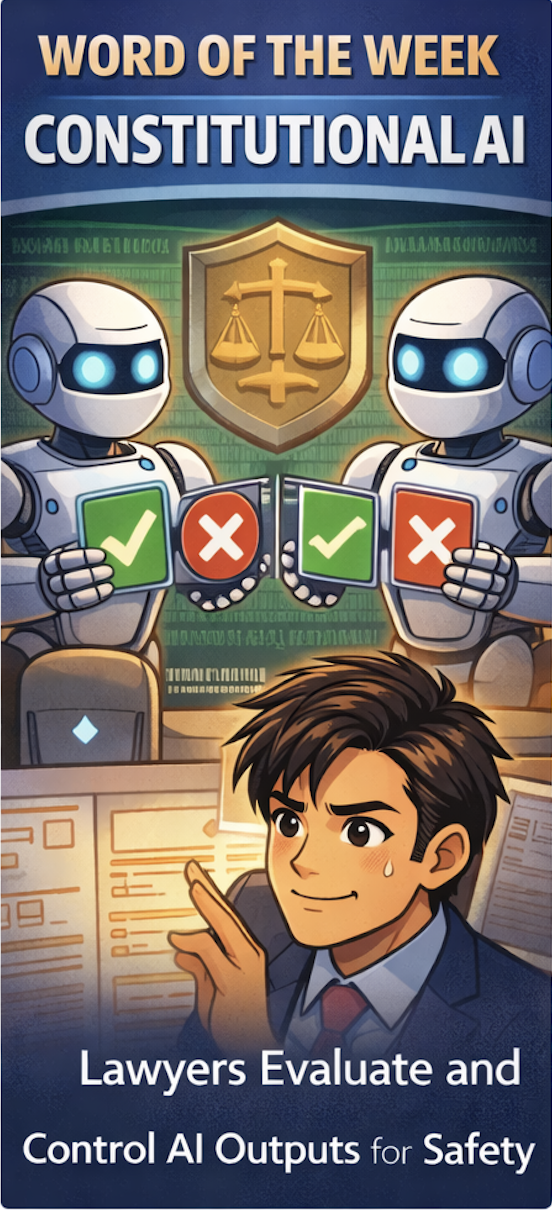
Constitutional AI also intersects with ABA Model Rule 1.6 on confidentiality. If an AI tool is not designed with strong guardrails, prompts, and outputs can expose sensitive client information to external systems or vendors. When you evaluate an AI platform, you should ask where data is stored, how prompts are logged, whether training data will include your matters, and whether the provider has implemented “constitutional” safeguards against data leakage and unsafe uses.
Supervision is another critical angle. ABA Formal Opinion 512 and Model Rules 5.1 and 5.3 stress that supervising lawyers must set policies and training for how attorneys and staff use generative AI. Constitutional AI can reduce risk, yet it does not replace supervisory duties. You still must review AI‑generated work product, confirm citations, validate factual assertions, and ensure the output is consistent with Rules 3.1, 3.3, and 8.4(c) on meritorious claims, candor to the tribunal, and avoiding dishonesty or misrepresentation.
For practitioners with limited to moderate tech skills, the key is to treat Constitutional AI as a practical checklist rather than a buzzword. ✅ Ask three questions about any AI tool you use:
Is this AI actually helpful to the client’s matter, or is it just saving time while adding risk.
Could this output harm the client through inaccuracy, bias, or disclosure of confidential data.
Is the AI acting honestly, meaning it is not hallucinating cases or claiming certainty where none exists.
If any answer is “no,” you must pause, verify, and revise before relying on the AI output.
In the AI era, your ethical risk often turns on how you select, supervise, and document the use of AI in your practice. Constitutional AI will not make you bulletproof, but it gives you a structured way to align your technology choices with ABA Model Rules while protecting your clients, your license, and your reputation.