
MTC: Should Lawyers Host Their Own AI (or Hybrid AI)?
/
Lawyers need to weigh hosting AI against ABA ethics in modern practice.
Lawyers are being pushed to decide whether to host their own artificial intelligence systems, rely entirely on cloud tools, or adopt a hybrid model that uses both local and cloud-based AI.🌐 At the same time, the American Bar Association’s Formal Opinion 512 makes clear that AI use sits squarely inside existing duties of competence, confidentiality, communication, candor, supervision, and fees under the Model Rules of Professional Conduct.
Perplexity’s new “Personal Computer” platform is a vivid example of how this can work in practice: it can run as an always‑on AI agent on a Mac mini, with access to local files, native apps, and cloud models, effectively turning a spare Mac into a dedicated digital worker. For lawyers, that kind of setup is appealing because a Mac mini can sit in the office as a sandboxed machine, disconnected from the main network and primary cloud file storage, to tightly control what AI can see and where client data goes.🧱
Why Lawyers Are Tempted to Host Their Own or Hybrid AI
There are several practical reasons lawyers and law firms are looking at running AI locally, or in a hybrid configuration that blends on‑premise and cloud tools:
Control over client data. Running AI on a dedicated Mac mini or similar device gives the firm direct control over where data is stored, which apps it can touch, and whether it ever leaves the office environment.
24/7 “digital worker.” Platforms like Perplexity’s Personal Computer can operate continuously, orchestrating multiple models, moving between local files and the web, and even continuing work that you start on your phone while you are away.⚙️
Integration with local files and apps. A local or hybrid agent can read your document management folders, draft or revise motions in your word processor, and compare local files with online sources without sending entire client datasets to a general‑purpose cloud chatbot.
Potential cost and performance benefits. For some workflows, once the hardware is in place, local or hybrid AI can be more predictable in cost and latency than pure pay‑per‑token cloud services, especially when workloads are steady and repetitive.💸
From an ethics standpoint, these benefits map directly onto Model Rule 1.1’s requirement that lawyers maintain technological competence, which now includes a duty to understand both the capabilities and the limitations of AI tools they deploy in practice. If you can explain how your on‑premise or hybrid AI is configured, what data it sees, and why you chose that architecture, you are already moving toward satisfying that duty of competence in your technology choices.
ABA Model Rules: Key Considerations for Self‑Hosted and Hybrid AI
The ABA’s Formal Opinion 512 does not mandate or prohibit self‑hosting, but it does identify core ethical duties that must guide any AI deployment. For lawyers thinking about a sandboxed computer or hybrid AI, several Model Rules are especially important:
Model Rule 1.1 (Competence). You must understand enough about the AI system—local or cloud—to evaluate its reliability, security, and appropriate use, including risks like hallucinations, outdated information, and bias.
Model Rule 1.4 (Communication). In many situations, you may need to tell clients that you are using generative AI—and how—so they can make informed decisions about the representation.
Model Rule 1.5 (Fees). If you bill for AI‑assisted work, your fees still must be reasonable; you cannot simply pass through AI costs without regard to value, and you cannot charge as if the work were done entirely by hand.
Model Rule 1.6 (Confidentiality). Client information must be protected whether it is processed on‑premise or in the cloud, which means assessing encryption, access controls, logging, and whether AI vendors can use your data to train their models.
Model Rules 3.3 and 4.1 (Candor). You must not present AI‑generated work product that you have not verified, and you must correct any false or misleading statements to tribunals or others if AI contributes to those errors.
Model Rules 5.1 and 5.3 (Supervision). Partners and managing lawyers must implement reasonable policies, training, and oversight to ensure that both lawyers and non‑lawyer staff use AI tools in compliance with ethical obligations.
Formal Opinion 512 underscores that using generative AI does not reduce any of these obligations; rather, it adds new vectors for potential violations, including inadvertent disclosure through “self‑learning” tools that retain prompts to improve their models. A self‑hosted or sandboxed system can reduce some of these risks but does not eliminate the need for careful configuration, testing, and ongoing oversight.🔍
The Case for a Sandboxed Mac Mini or Similar Setup

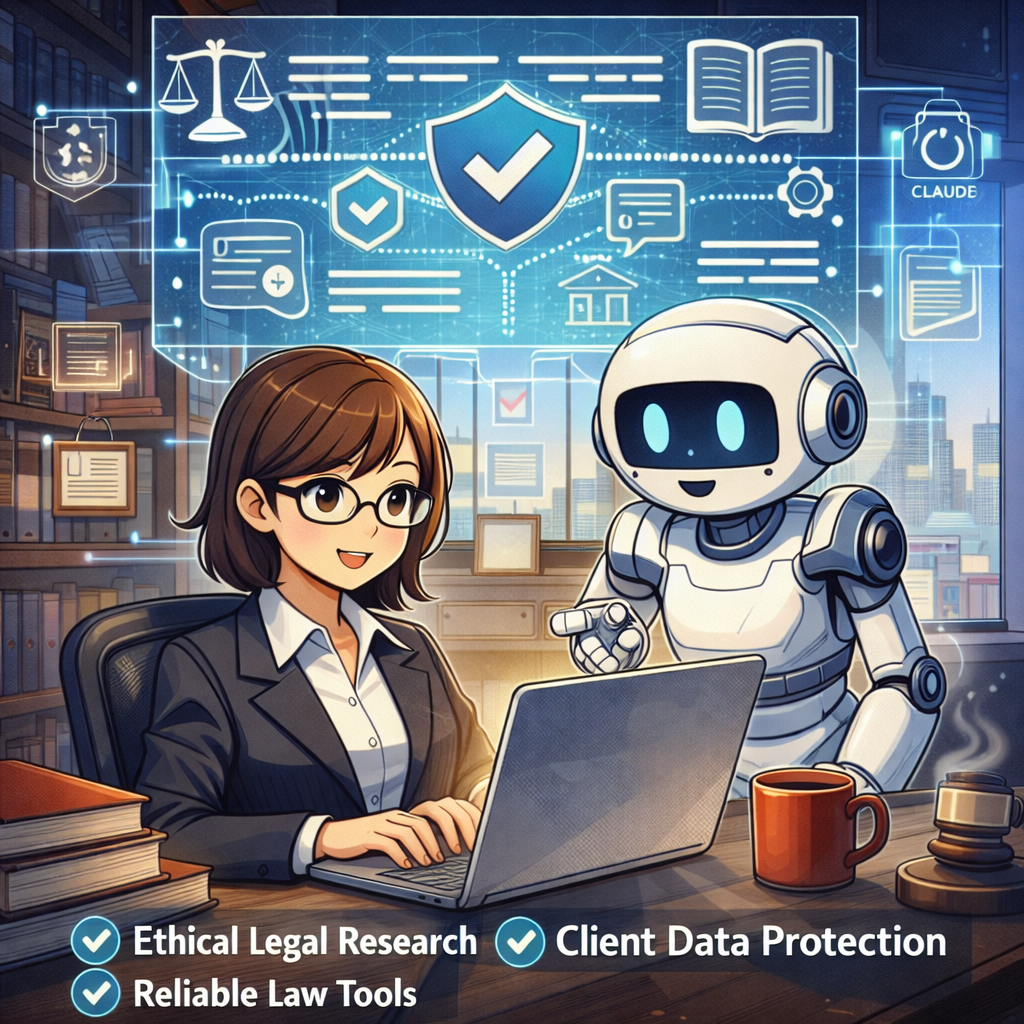
Attorneys can test sandboxed computers for aba compliant, secure ai workflows.
A compelling middle road is to run your AI assistant as an always‑on agent on a dedicated, sandboxed machine—such as a Mac mini—segregated from your primary network and cloud storage, and then carefully curate what you allow it to access. Perplexity’s Personal Computer is designed to run 24/7 on a Mac mini, with secure sandboxed file creation, visible actions, and a kill switch, which can help align AI use with ethical expectations of control and auditability.🧑💻
For law practices with limited to moderate technology skills, this architecture offers practical advantages:
You can keep the AI’s working directory separate from your main document management system, copying in only those files you want it to analyze.
You can disconnect the sandbox machine from your firm’s primary VPN and file‑syncing tools, reducing the attack surface for client data.💽
You can log and periodically review what the AI agent is doing—what files it opens, what tasks it runs—to support your supervisory duties under Rules 5.1 and 5.3.
Because a personal computer can orchestrate teams of models and interact with local files and cloud services in one system, it embodies the hybrid AI idea: use local control for sensitive matters, and selectively rely on cloud models for broader research or drafting where appropriate safeguards are in place. That kind of hybrid strategy aligns well with the ABA’s focus on risk‑based analysis rather than a one‑size‑fits‑all prohibition.⚖️
Why Some Lawyers Should Not Host Their Own AI (At Least Not Yet)
Self‑hosting or running a hybrid computer‑based AI platform is not the right answer for every firm, and in some practices, it may actually increase risk. If your firm cannot realistically manage updates, patches, access controls, and backups for a dedicated AI machine, a reputable cloud provider with strong security and clear contractual commitments may be a safer option. Many lawyers underestimate the work required to securely configure and maintain specialized systems, which can lead to misconfigurations that expose confidential information or disable audit logs you may need for internal investigations or regulatory inquiries.
There is also a risk of overconfidence: having an AI agent running on your own hardware can create a false sense that everything processed on that machine is automatically safe and ethically sound.😬 Formal Opinion 512 warns that self‑learning AI tools can leak information across matters, even within a single firm, if they are not properly isolated; that risk exists whether the system runs on your computer or in the cloud. For many small firms and solos, the most ethical and efficient path may be to use vetted, well‑documented cloud AI tools under strict internal policies rather than trying to build and secure a home‑grown AI infrastructure.
Finally, if you lack even moderate technology literacy, jumping straight to a self‑hosted AI environment can distract from more foundational tasks like implementing a written AI policy, training staff on prompt hygiene, and integrating AI use into your conflict checks and quality control processes. In those cases, simpler deployments—such as using browser‑based AI tools with no client identifiers and careful manual review—can be more defensible under the Model Rules.
Practical Takeaways for Ethics‑Focused AI Adoption

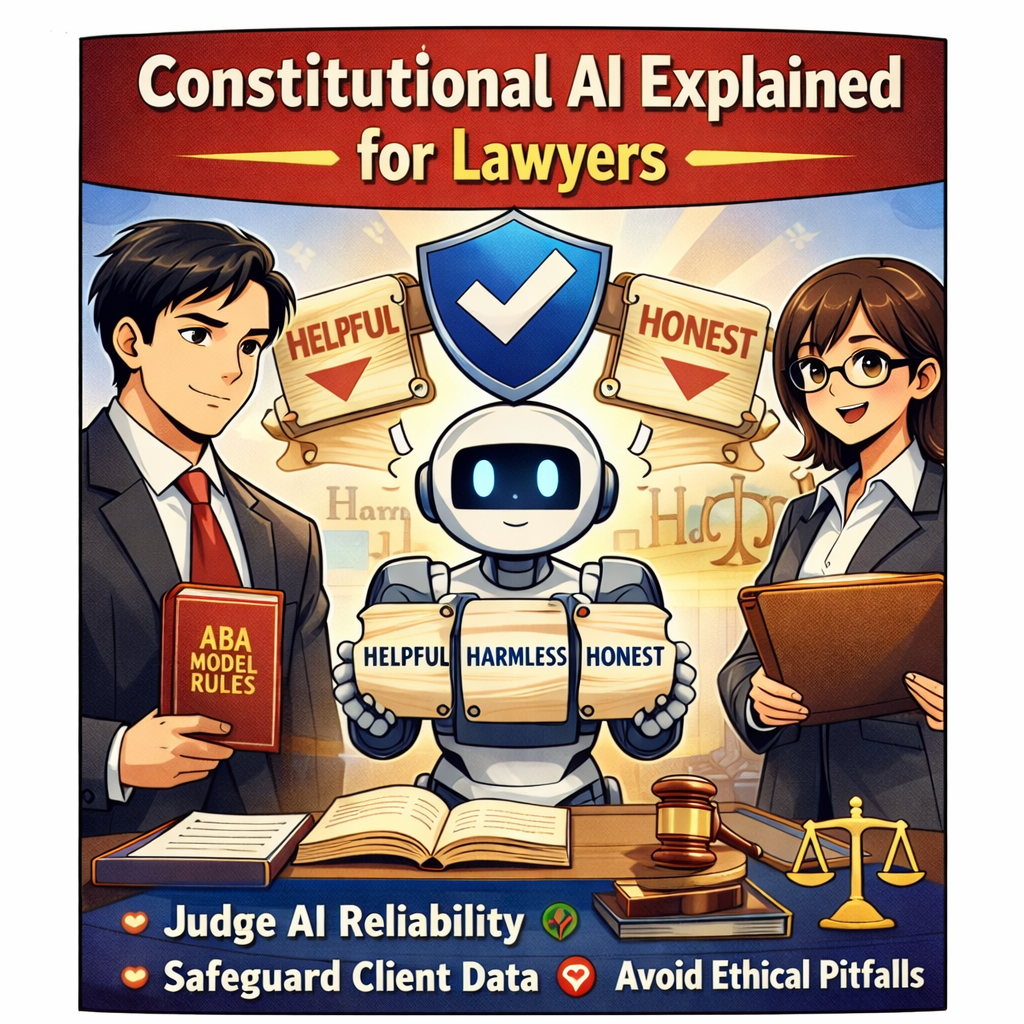
an ETHICS-FOCUSED LAWYER CAN CONSIDER USING A HYBRID AI UNDER THE ABA Model Rules.
For lawyers and firms considering self‑hosted or hybrid AI, several practical steps emerge from the ABA guidance and from the new generation of self‑hosted AI platforms:
Start with a written AI policy that maps to Model Rules 1.1, 1.4, 1.5, 1.6, 3.3, 4.1, 5.1, and 5.3, that distinguishes between internal experimentation and client‑facing use.
If you deploy a sandboxed Mac mini or similar, define precisely which files and apps it may access, how it will be backed up, and who has administrative control.🔐
Treat AI outputs as drafts that require human review, not as final work product, and document your review in a way that aligns with your quality‑control procedures.
Train all users—not just IT—on how the Personal Computer or other AI system operates, what logs are available, and how to shut it down if it behaves unexpectedly.
Revisit your configuration and vendor contracts regularly, including any terms about data retention, training, and breach notification, to ensure ongoing compliance with Revised ethics guidance and state‑level opinions.📜
In that light, the question is not whether lawyers should or should not host their own AI, but whether they can do so in a way that satisfies the ABA’s expectations for competence, confidentiality, and supervision while delivering real value to clients. For some, a carefully configured sandboxed Mac mini running a hybrid AI agent will be a powerful, ethical accelerator; for others, the more responsible choice is to rely on well‑governed cloud tools until their internal capabilities catch up.
MTC