
🎙️ ABA Members Save $100 on the Lawyers' Podcasting Conference — Request Your Code by October 18, 2026!
/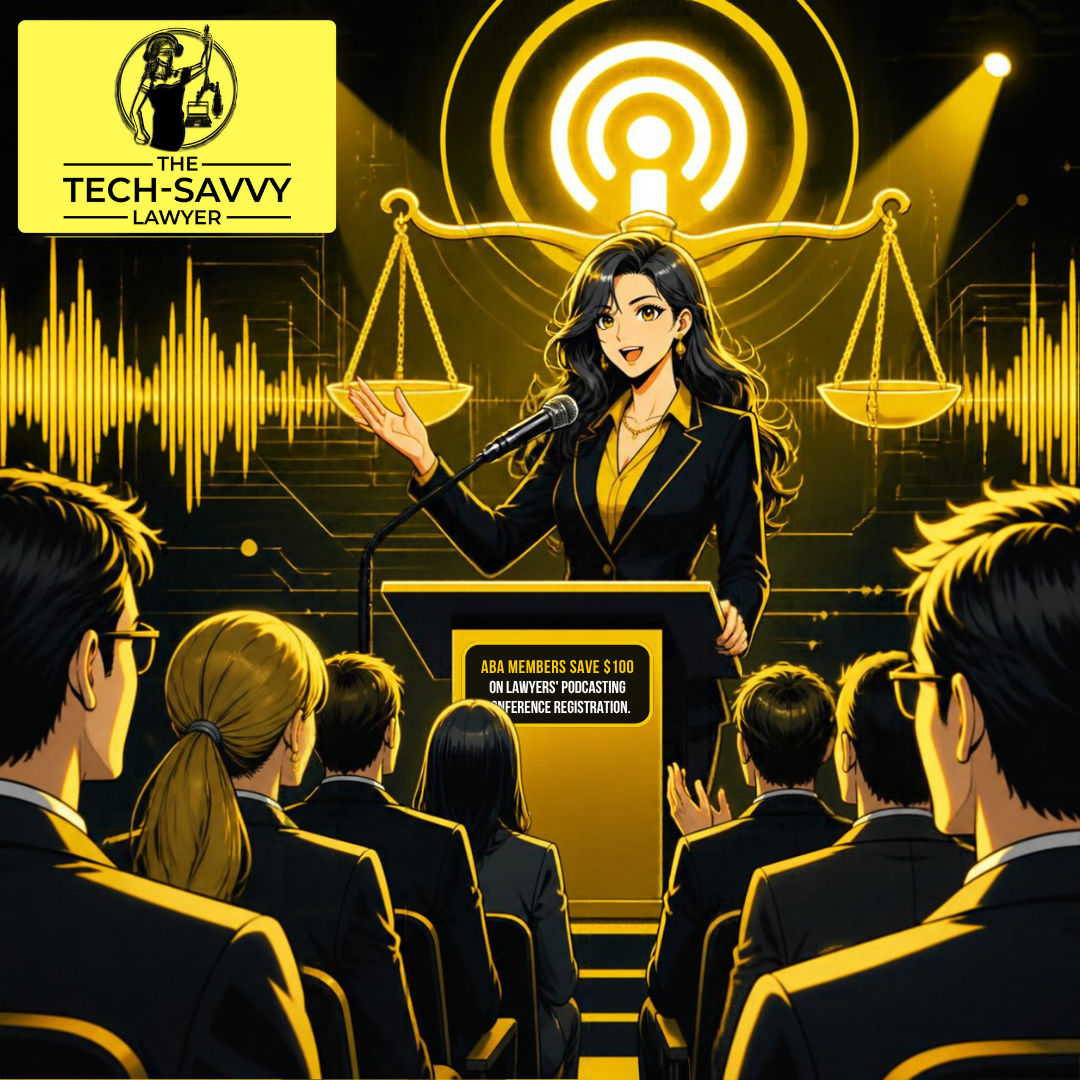
ABA Members can save $100 on their tickets for a short time!
I just returned from Boston and the ABA Law Practice Fall Meeting. 🏛️ The conversations there reminded me why I value this community. Law Practice Division members think hard about how lawyers work, market, and serve clients. Many of those conversations turned to podcasting.
So I want to say thank you to my fellow ABA members in a practical way. 🙌
💵 The Offer
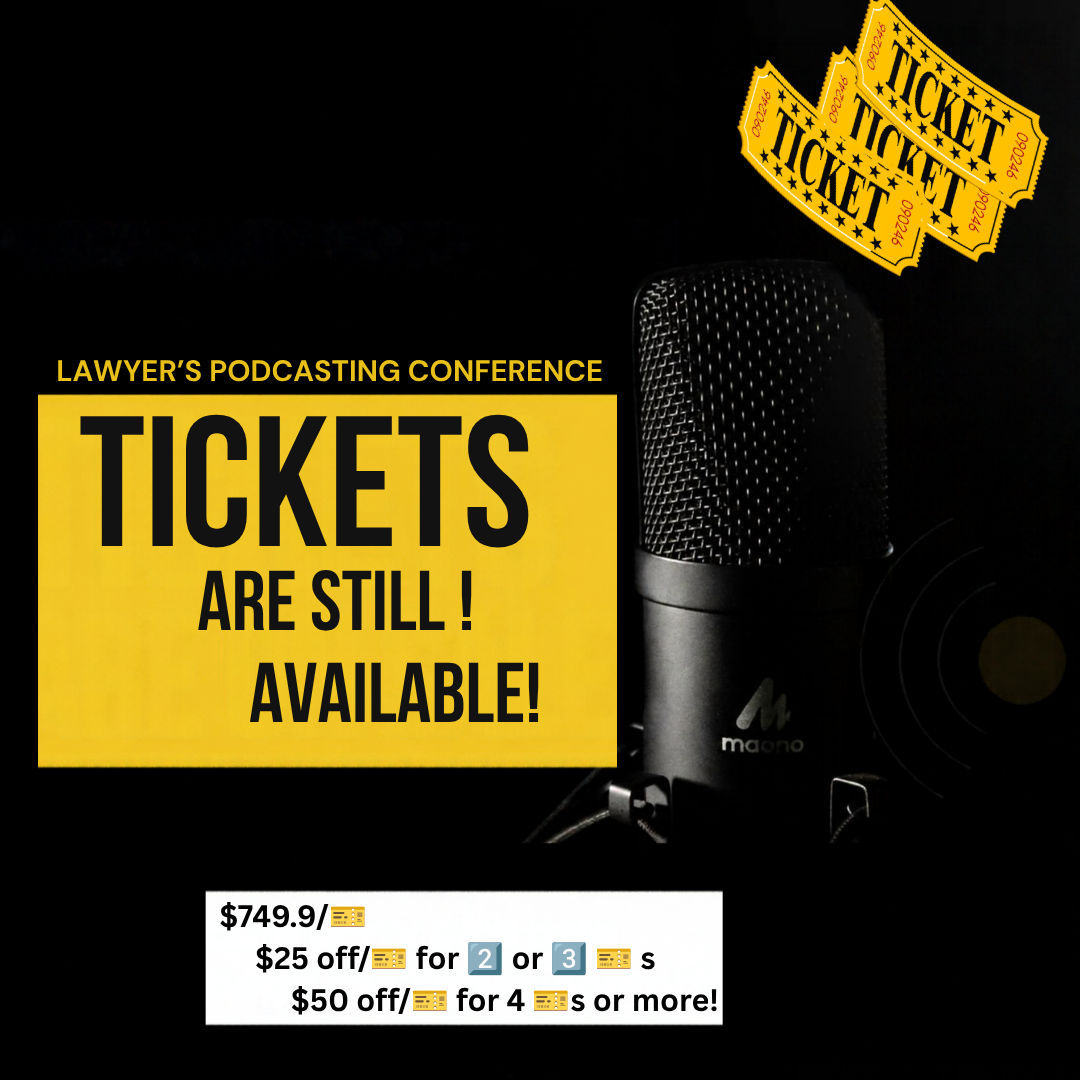
Through Sunday, October 18, 2026, ABA members can save $100 on registration for The Tech-Savvy Lawyer.Page Lawyers' Podcasting Conference. That reduces the regular $749.99 registration to $649.99.
The conference takes place Friday and Saturday, November 13–14, 2026, at 1765 Greensboro Station Place, 9th Floor, in McLean, Virginia. 🚇 The venue is one minute on foot from the Greensboro Metro station on the Silver Line.
✉️ How to Get Your Code
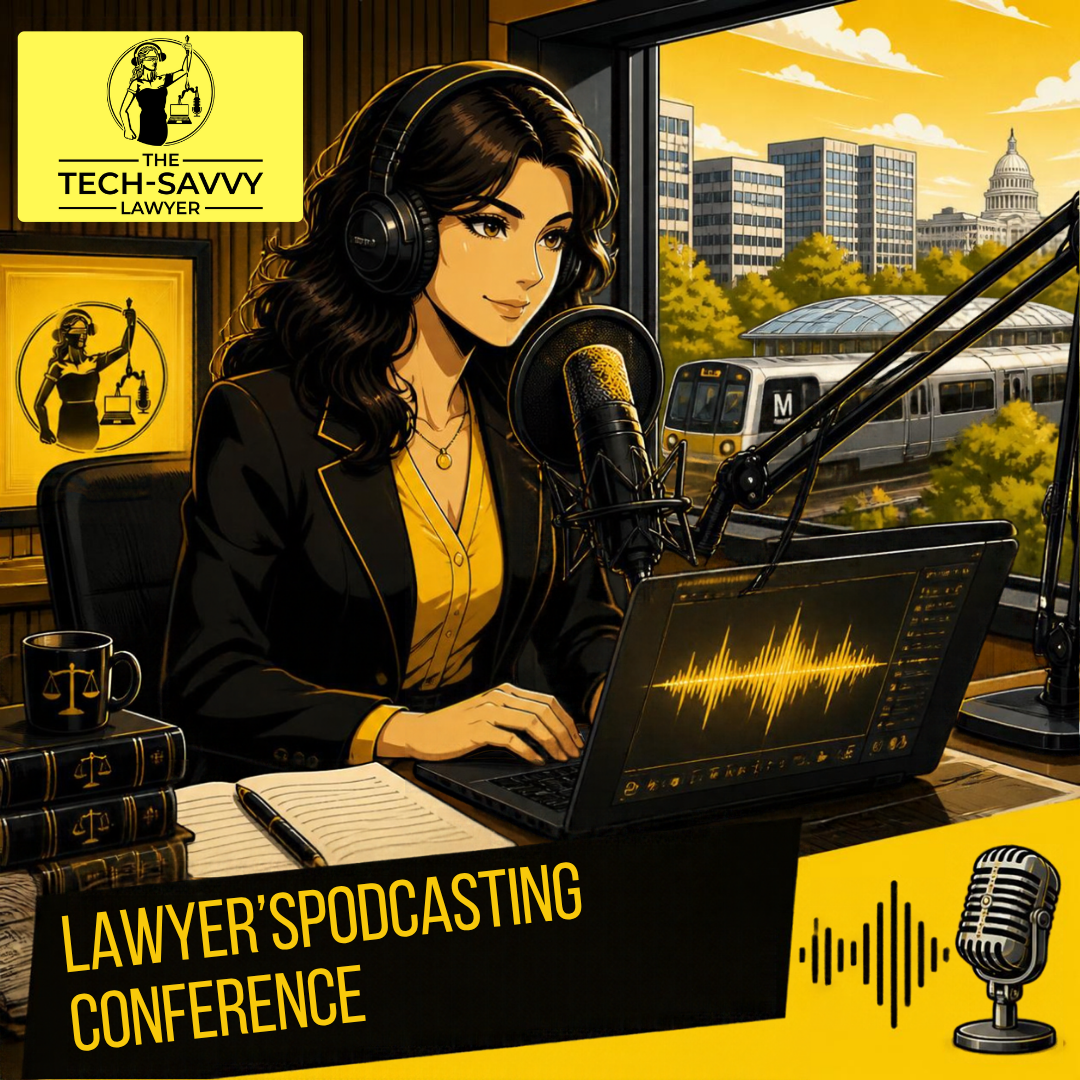
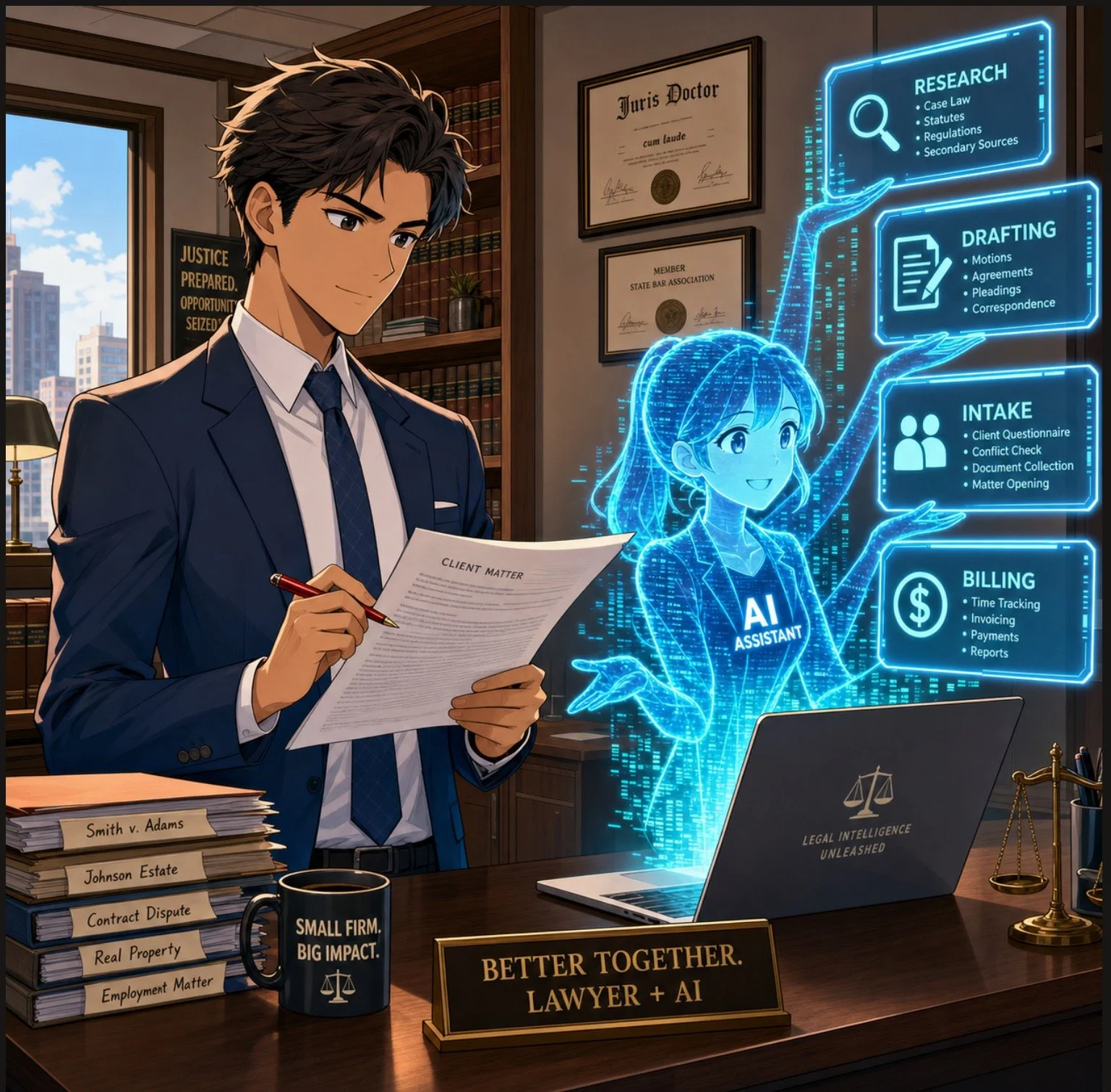
lawyers need to learn the Podcasting, Ethics, and AI Tools for Legal Professionals to grow your practice!
Requesting the code takes about two minutes. Send an email to LPC@TheTechSavvyLawyer.Page with:
👤 Your full name
📧 The email address you will use to register
🪪 A screenshot of your current ABA membership card
Most members can pull up the card in their ABA account online. A simple screenshot is all I need. I will reply with your code personally.
Please send your request by Friday, October 16 so you have time to register before the offer closes. 🗓️
A few housekeeping points:
The discount is for current ABA members only.
It cannot be combined with other discounts, including team pricing.
Your information is used only to confirm membership. It is not shared or sold.
A practical tip for firms: if two or more ABA members from the same office plan to attend, the $100 member discount beats our team savings of $25 or $50 per seat. Choose whichever saves you more. 👥
🎧 What You Get for Two Days
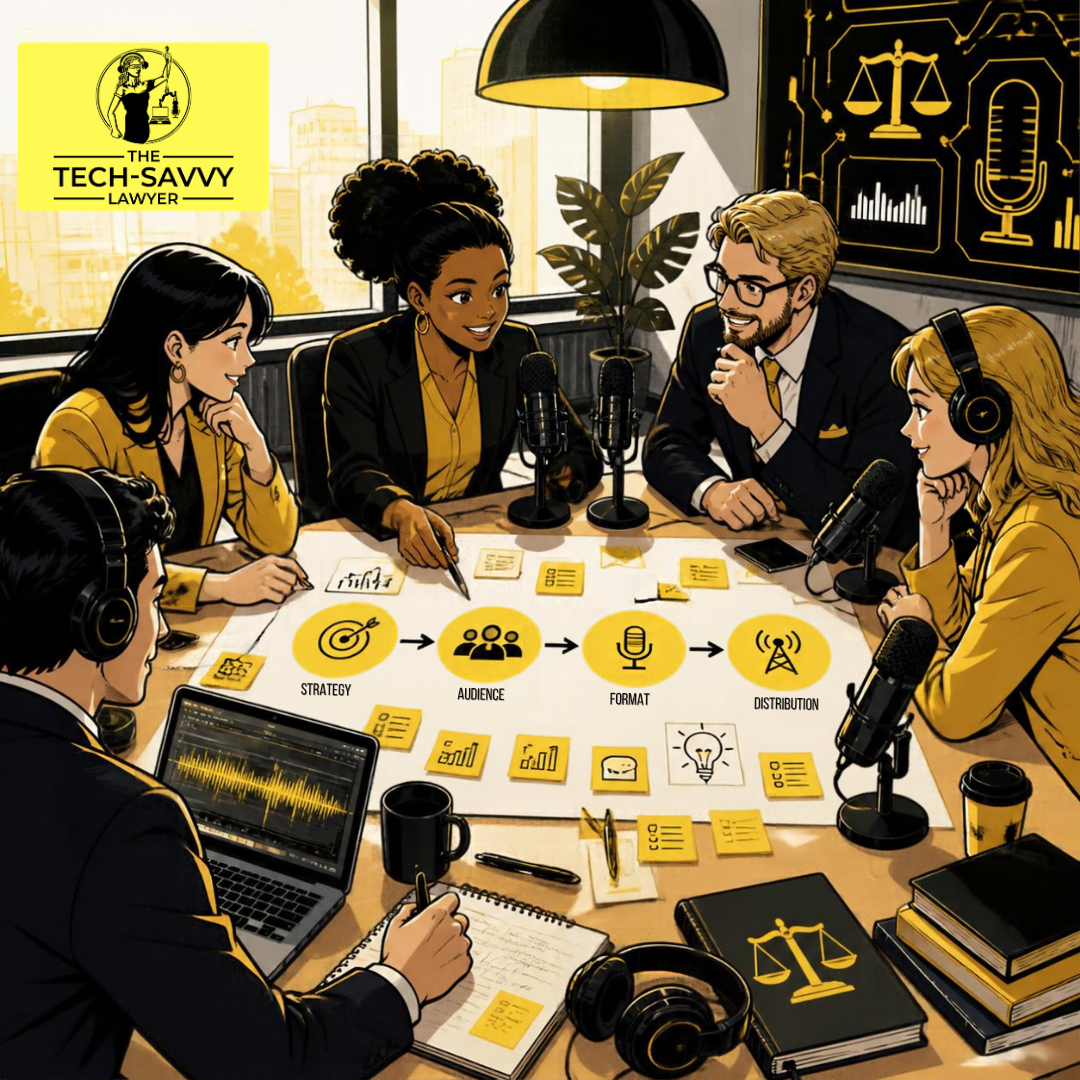
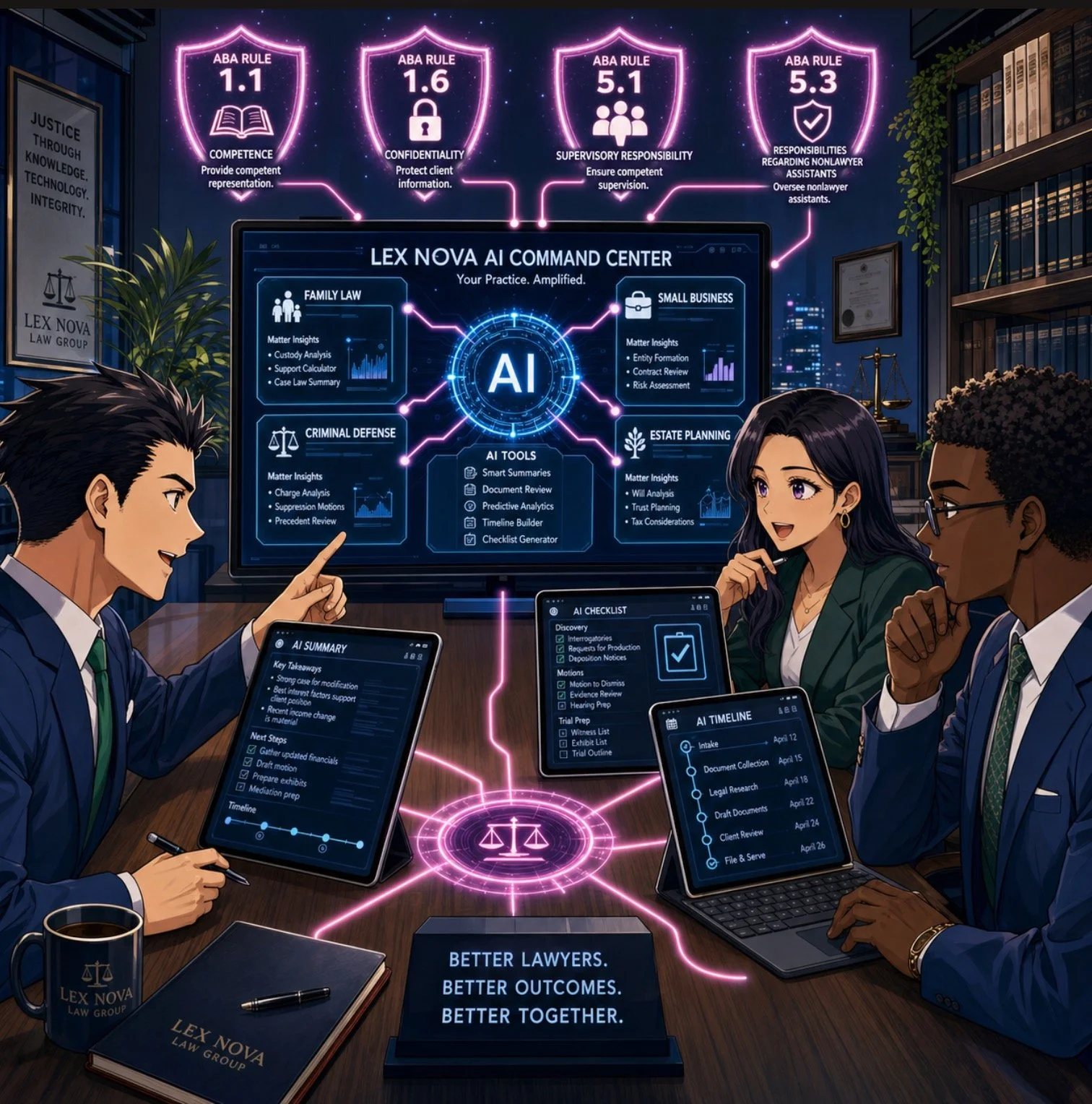
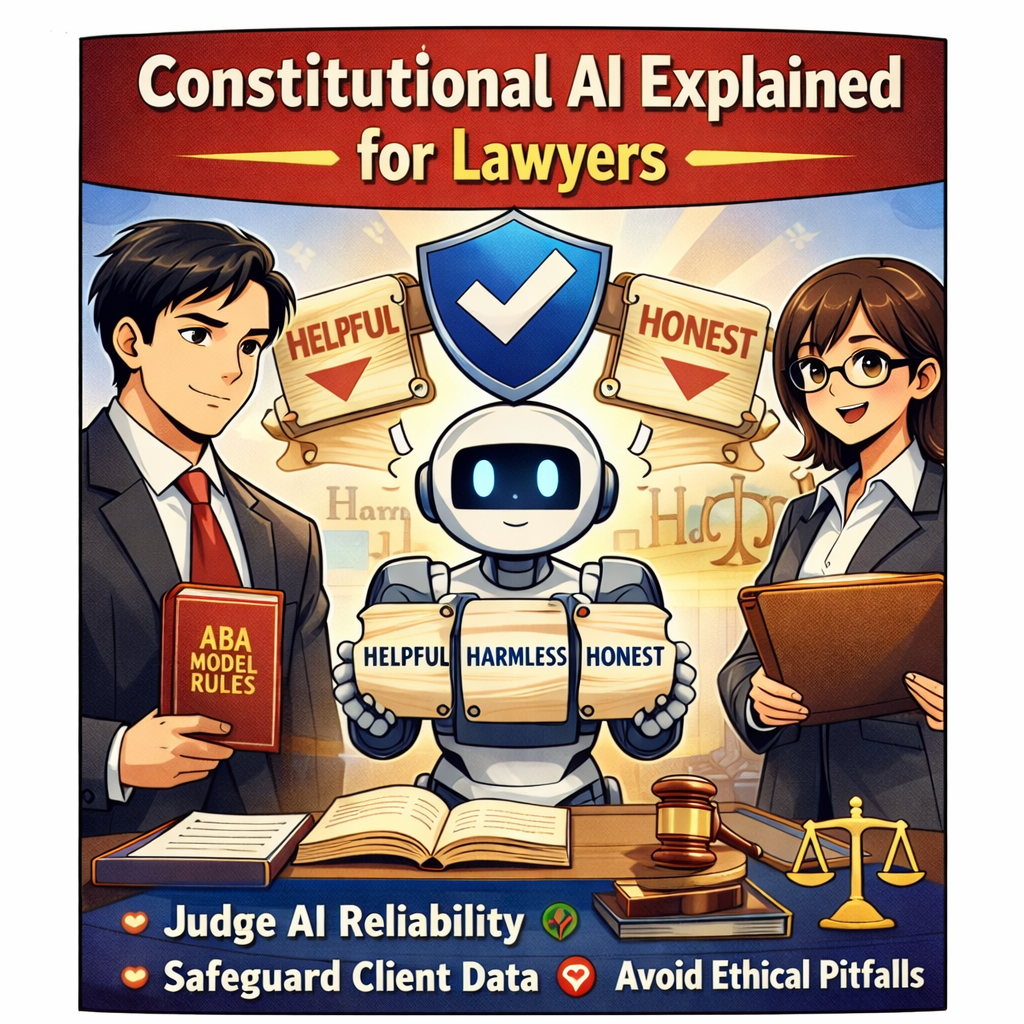
come learn with your peers how to create lawyer-centric Podcast workflows!
This is a working conference, not a lecture series. Every attendee leaves with a show concept, a format, an affordable gear list, a hosting and distribution plan, and an ethics checklist to review against their own jurisdiction's rules.
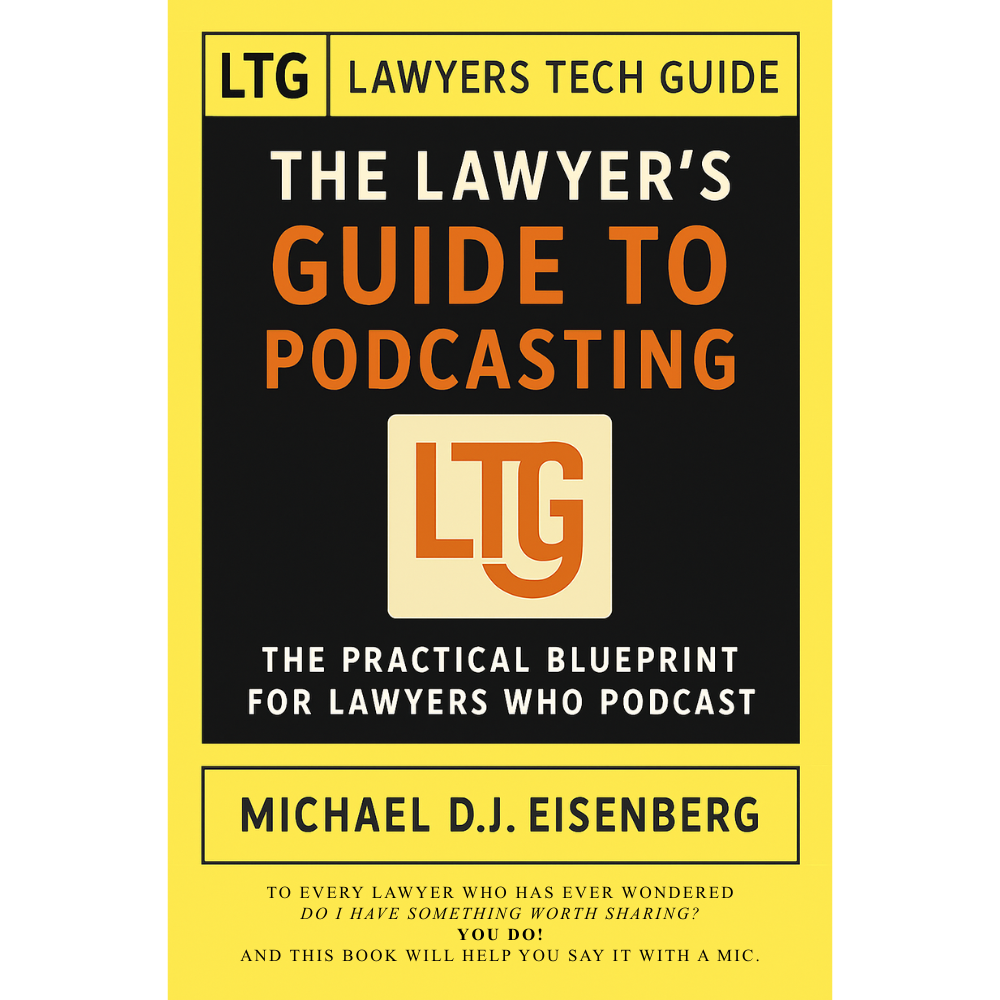
The program follows the roadmap in my book, The Lawyer's Guide to Podcasting. We move from strategy to topic and audience, then to format, gear, recording, editing, hosting, distribution, and growth. 📈
You do not need to be technical. We start with the equipment you already own. Windows, Mac, or both are welcome. 💻
🎤 Who Is Teaching
The faculty brings real-world experience to the room:
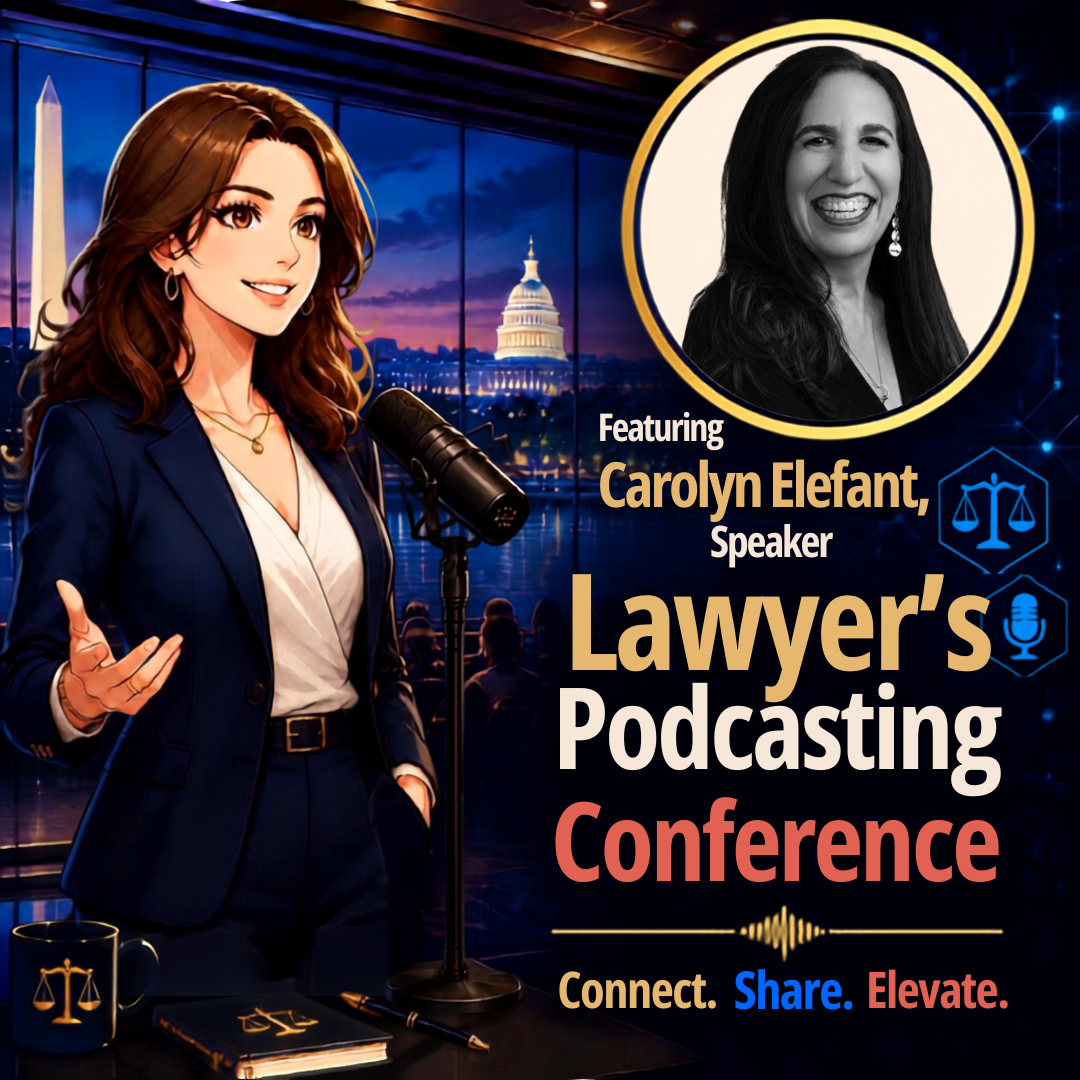
Carolyn Elefant of MyShingle.com, our first confirmed speaker, on the ethics of podcasting (Carolyn Elefant Confirmed as First Speaker for the Lawyers' Podcasting Conference)
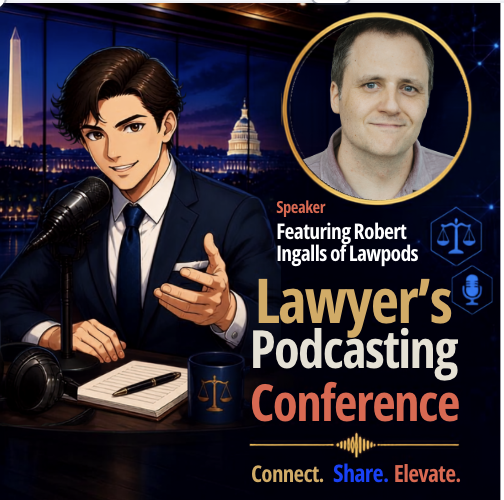
Robert Ingalls of Lawpods, on DIY vs. outsourced podcast production (Robert Ingalls of Lawpods Joins Michael D.J. Eisenberg at The Tech-Savvy Lawyer.Page Podcasting Conference)
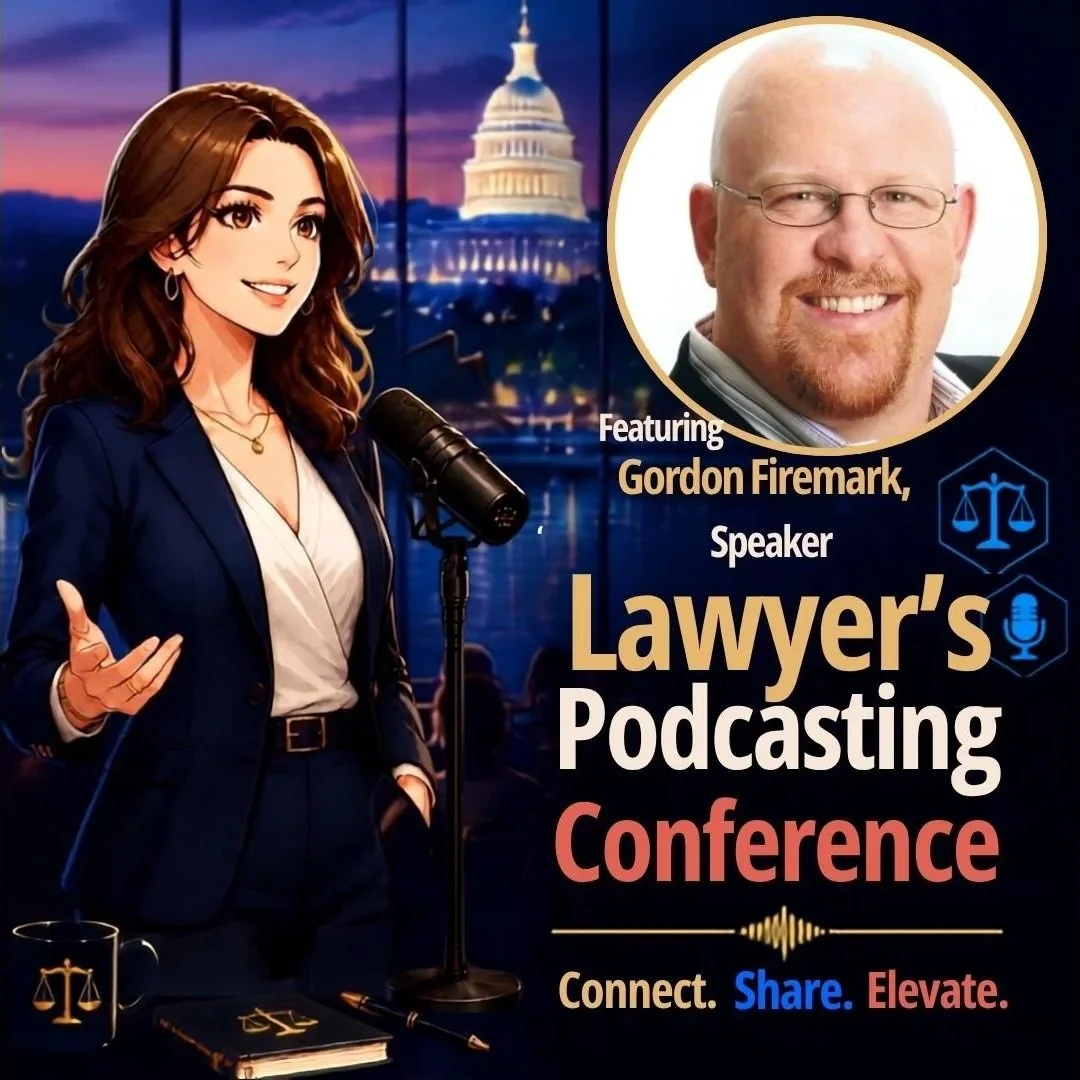
Gordon Firemark, The Podcast Lawyer™, on the business of podcasting (Meet New Speaker Gordon Firemark, The Podcast Lawyer™)
⚖️ Why Ethics Gets Its Own Block
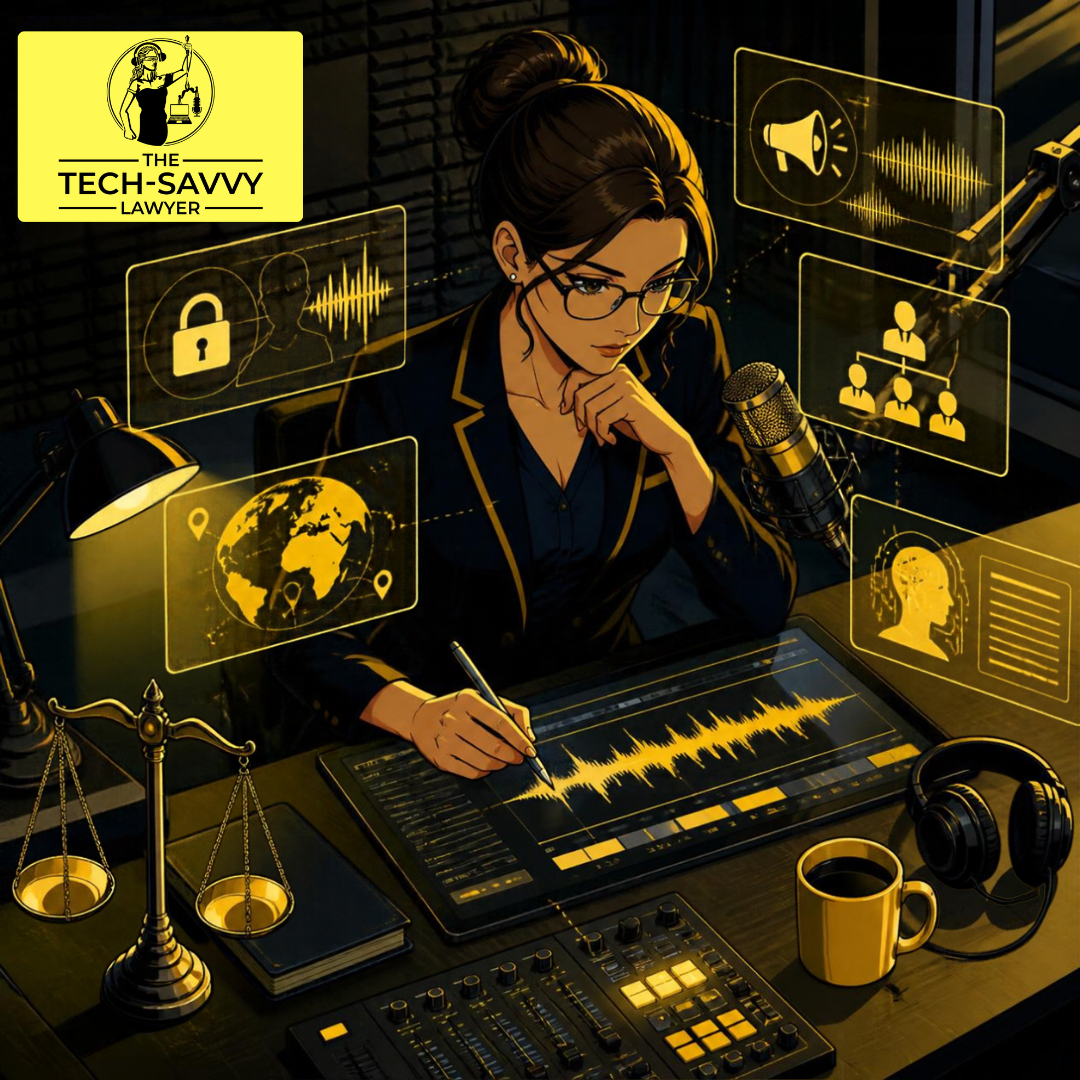
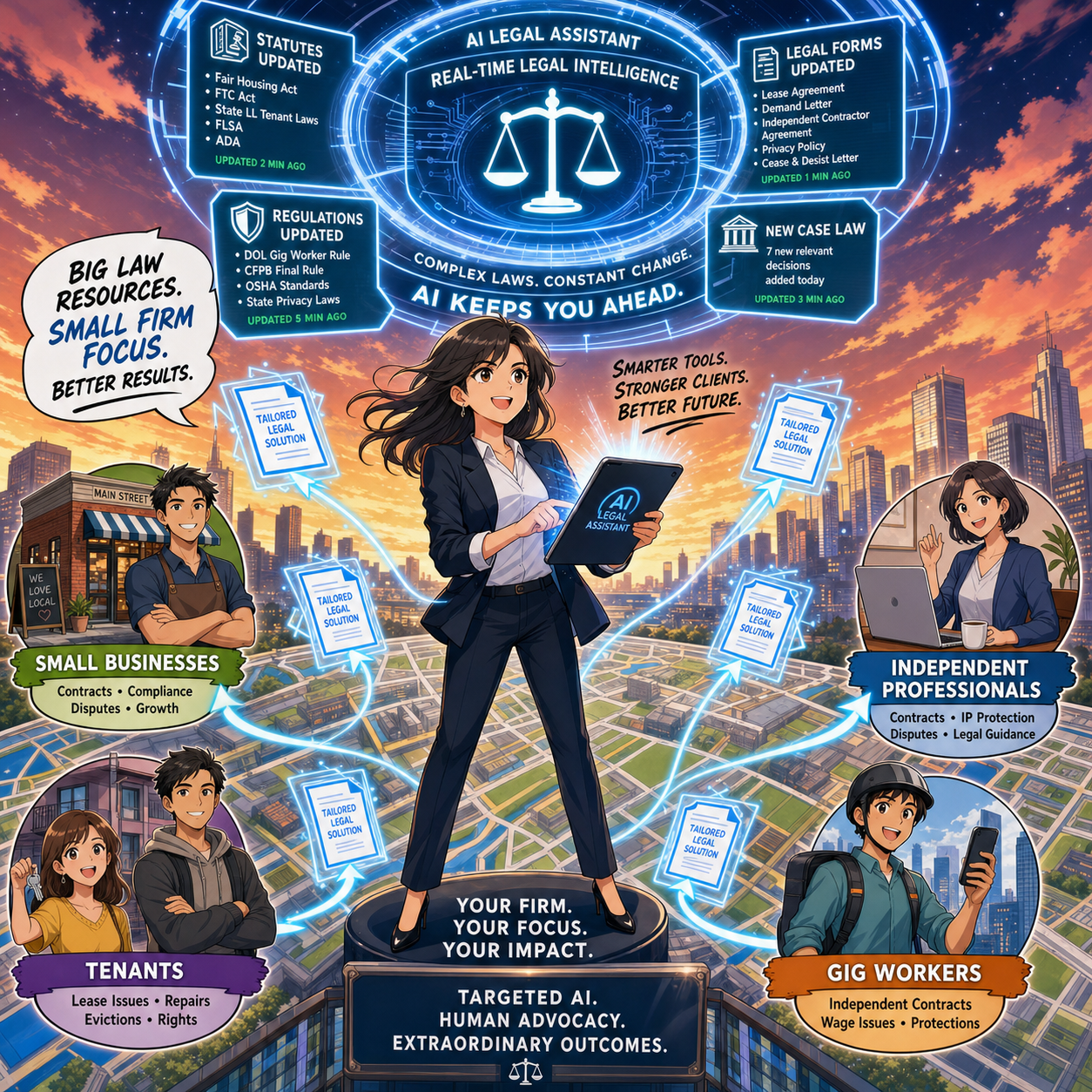
come learn How Lawyers Can Use Technology to Build Better Podcasts
A podcast is a public communication about your practice. That makes the ABA Model Rules part of every episode.
Rule 7.1 prohibits false or misleading communications about a lawyer's services. Episode titles, show notes, and guest introductions all count. Results-based stories need careful framing.
Rule 1.6 protects client information. A "harmless" anecdote can still identify a client when combined with a date, a location, or a practice niche. Your recording and editing tools matter here too. Under Rule 1.6(c), you must make reasonable efforts to prevent unauthorized disclosure.
Rule 5.5 comes into play once your audience crosses state lines. Listeners in other jurisdictions may treat general education as legal advice. Clear disclaimers and careful phrasing help.
Rule 1.1, Comment 8, ties it all together. Competence includes understanding the benefits and risks of relevant technology. That now includes AI-assisted editing, transcription, and the answer engines that summarize your content. I explored that last point in MTC: Hidden AI, GEO, and the ABA Model Rules. 🤖
If staff or contractors help produce your show, Rules 5.1 and 5.3 on supervision apply as well.
One more reminder about your code request. 🔒 Please send only your name, email, and membership card screenshot. Keep client matters out of the message entirely.
📅 Your Next Step
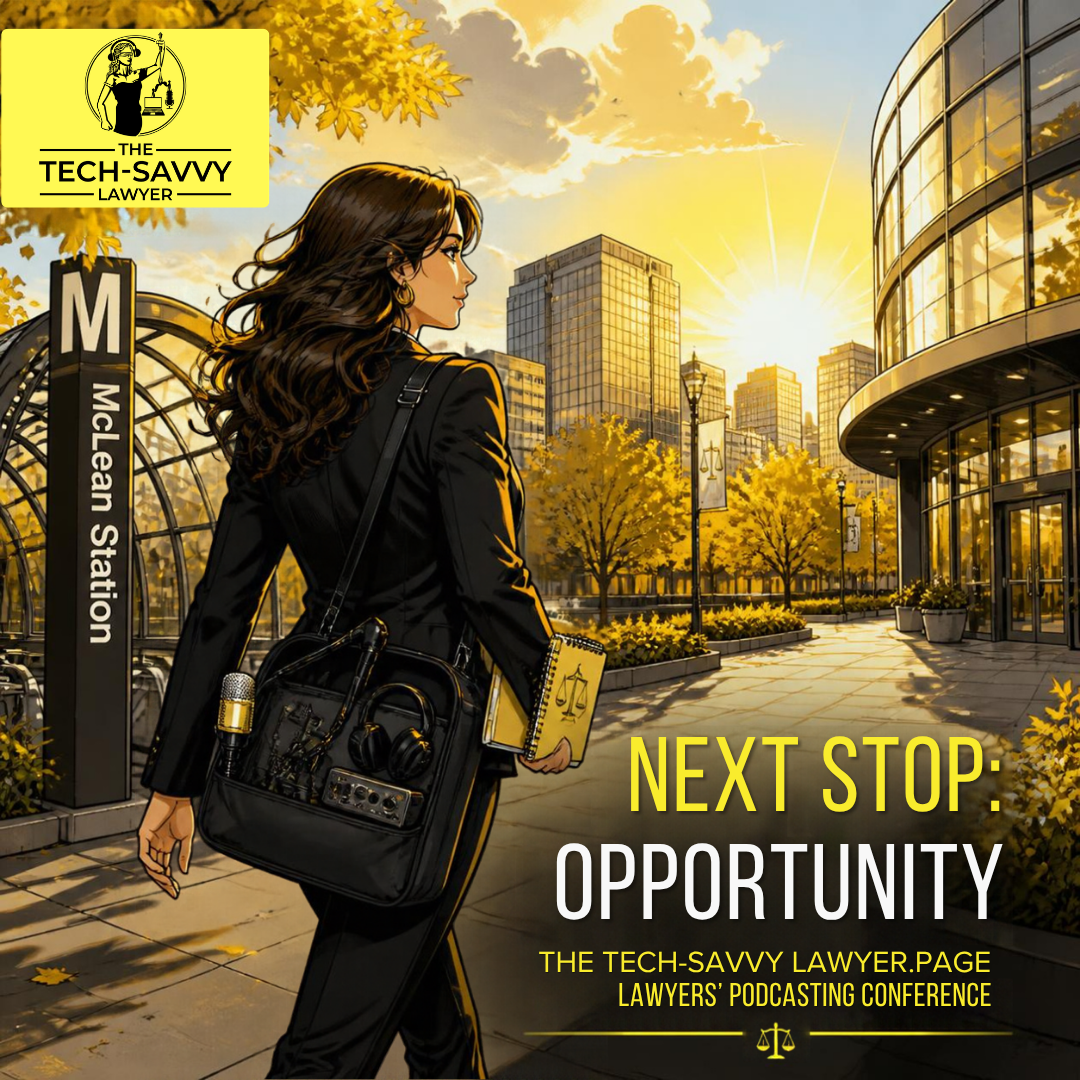
Come learn about AI, Ethics, and Podcasting in Modern Legal Practice!
Email LPC@TheTechSavvyLawyer.Page today with your name, email, and ABA card screenshot. Once you have your code, register here. Full program details live on the conference information page.
Not ready to commit? Get a feel for the conversation first on The Tech-Savvy Lawyer.Page Podcast. 🎧
To everyone I met in Boston: thank you. I hope to continue the conversation in McLean on November 13–14. 🤗