🎙️ TSL Lab’s Deep Dive into Our May 18, 2027, editorial, “AI Won’t Replace Solo and Small Firm Lawyers. It Will Supercharge Them”!

📌 Too Busy to Read Our May 18, 2026, Editorial?

Join us for an AI-powered deep dive into the ethical challenges facing legal professionals in the age of generative AI. 🤖 This week’s Tech-Savvy Lawyer Lab’s podcast unpacks my editorial, “AI Won’t Replace Solo and Small Firm Lawyers. It Will Supercharge Them,” and translates it into practical, ethics-aware guidance for solo and small firm professionals navigating AI in real time.

We explore why AI is unlikely to replace lawyers but highly likely to transform how legal work is unbundled, priced, and delivered. We walk through Jevons Paradox, ABA rules on competence, supervision, and confidentiality, and the very real risks of hallucinated filings and careless use of public AI tools. You will see how treating AI as a supervised junior associate can expand your capacity, open new micro‑niches, and make your practice more human-centered, not less. ⚖️

In our conversation, we cover the following:

  • 00:00:00 – Why “doom hype” around AI is targeting the legal profession and why the collapse-of-lawyers narrative falls apart in real life.

  • 00:01:00 – Introducing Michael D.J.’s editorial “AI Won’t Replace Solo and Small Firm Lawyers. It Will Supercharge Them.”

  • 00:02:00 – Setting ground rules: educational discussion only and why this episode is not legal advice.

  • 00:02:30 – Rethinking what a “job” really is and the idea that legal work is a bundle of tasks, not one monolithic activity.

  • 00:03:00 – Comparing big-firm specialization to the tightly packed bundle of tasks handled by solo and small-firm lawyers.

  • 00:03:30 – Why AI can pull on individual threads in that bundle, but cannot run the whole practice for you.

  • 00:04:00 – The solo master-chef metaphor: AI as the kitchen machine doing prep work while the human focuses on taste and judgment. 🍲🤖

  • 00:05:00 – How AI can draft preliminary summaries or case law lists while the lawyer still owns strategy and verification.

  • 00:05:30 – The “mental verification” problem: when typing and thinking used to be the same act for lawyers.

  • 00:06:00 – What changes when AI writes the first draft and why verification must become a separate, deliberate step.

  • 00:06:30 – The risk of hallucinated filings and viral stories of fake cases generated by AI. 😬

  • 00:07:00 – Data points showing the profession is adapting, not dying: more lawyers, more bar-required jobs, rising law school interest.

  • 00:07:30 – Revisiting the e‑discovery panic and predictions that predictive coding would wipe out junior associates.

  • 00:08:00 – How cheaper e‑discovery led to an explosion of data and actually increased demand for legal work.

  • 00:08:30 – Introducing Jevons Paradox and why greater efficiency can increase, not decrease, total demand.

  • 00:09:00 – The widened-highway analogy: more lanes, more traffic, and how that maps onto AI in law. 🛣️

  • 00:10:00 – How AI lets small firms tackle big, complex matters and offer more predictable flat-fee pricing.

  • 00:11:00 – Expanding access to legal services for the middle class and why cheaper legal work grows the market.

  • 00:11:30 – Turning to ethics: ABA Model Rule 1.1 on competence and the duty to understand relevant technology.

  • 00:12:00 – The solo’s burden: you are the IT department and the innovation committee, all at once. ☕💻

  • 00:12:30 – A practical definition of technological competence for solos and small firms.

  • 00:13:00 – Starting small with AI: summaries, first-draft emails, and extracting checklists from dense legislation.

  • 00:13:30 – AI as the “junior associate you don’t have to hire but must supervise” under Rules 5.1 and 5.3.

  • 00:14:00 – Why you remain responsible for AI’s output just as you would for a paralegal or junior lawyer.

  • 00:14:30 – The solo’s question: Does it really make sense to write a formal AI policy for just one person?

  • 00:15:00 – How a short written AI policy creates hard boundaries before you are stressed and rushed.

  • 00:15:30 – Defining approved uses, high‑review tasks, and absolute “no-go” zones for AI in your practice.

  • 00:16:00 – Model Rule 1.6 on confidentiality and the special risk solo and small firms face with cloud tools.

  • 00:16:30 – Why pasting sensitive client facts into a generic consumer chatbot is an ethical minefield.

  • 00:17:00 – How consumer AI tools tokenize your text and use it to train future models.

  • 00:17:30 – The “megaphone in a public square” analogy for pasting confidential data into public AI tools. 📣

  • 00:18:00 – Moving from megaphones to soundproof vaults: using enterprise modes or legal-specific platforms.

  • 00:18:30 – Why a single data breach can be existential for a solo firm and why clients should care about tool choices.

  • 00:19:00 – Legislative inflation: constant growth in complex rules, norms, and regulations across jurisdictions.

  • 00:19:30 – How AI helps solos track regulatory change, generate client alerts, and update templates in real time.

  • 00:20:00 – Carving out lucrative micro‑niches with AI, such as hyper‑specific regulatory domains.

  • 00:20:30 – Pairing niche expertise with SEO and content marketing so a solo can compete at scale.

  • 00:21:00 – The junior lawyer dilemma: what happens to entry-level training when AI eats the grunt work.

  • 00:21:30 – Why firms still need junior lawyers to build a future bench, not just to type memos.

  • 00:22:00 – What AI fundamentally cannot do: build trust in person, join community events, or create referral networks.

  • 00:22:30 – How automation pushes lawyers toward more human-centric, relationship-focused work. ❤️

  • 00:23:00 – The core conclusion: the real existential threat is the AI-literate competitor down the street, not the robot.

  • 00:23:30 – Treating AI as a supervised junior associate while protecting ethics, productivity, and client outcomes.

  • 00:24:00 – Final reflections: mapping your own “bundle of tasks” and deciding what to offload so you can supercharge yourself. ⚡

RESOURCES

Mentioned in the episode

👉 If this episode helps you think more clearly about AI, ethics, and your own “bundle of tasks,” share it with a colleague and subscribe so you never miss a future Tech-Savvy Lawyer deep dive. 🚀
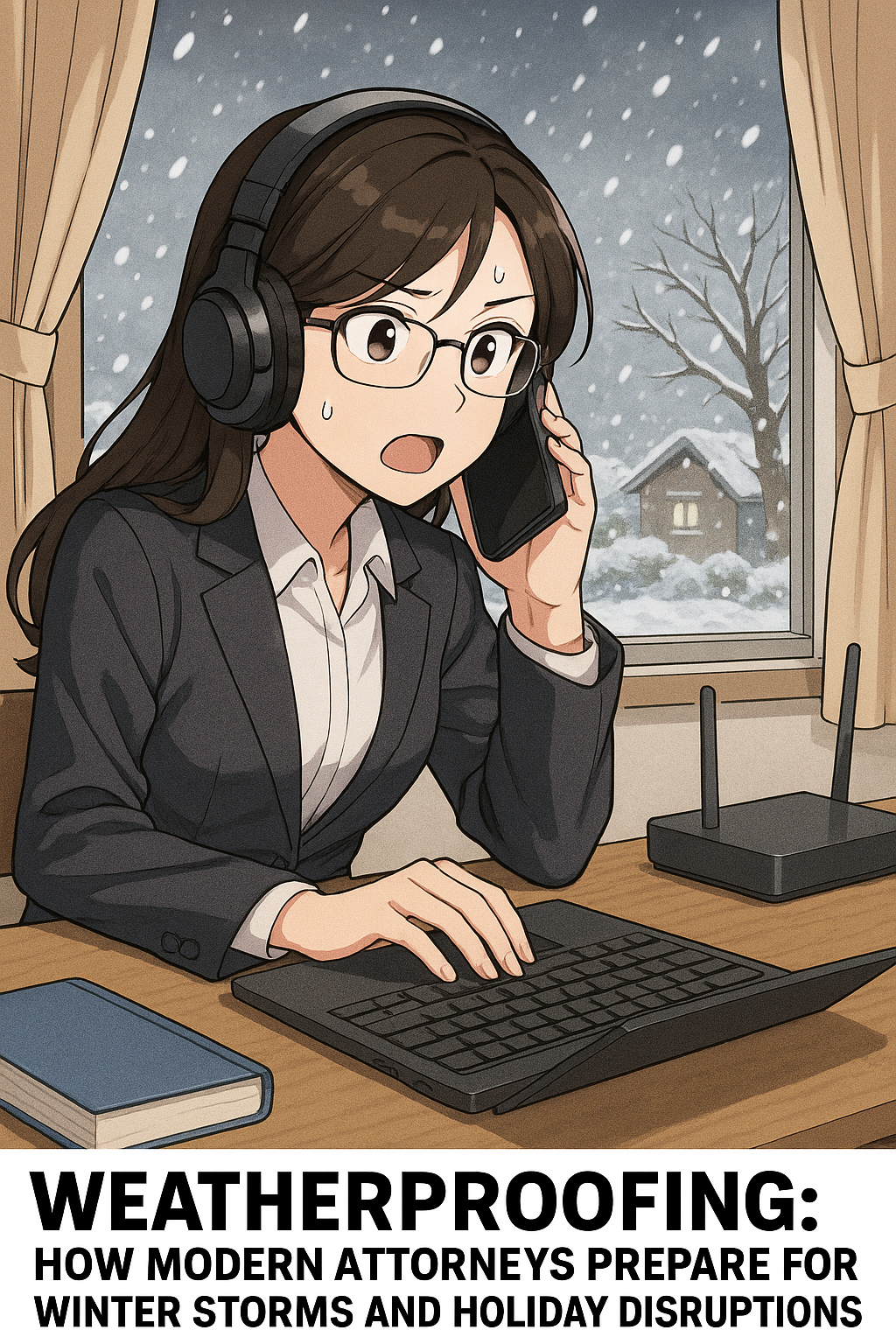
📖 “Word of the Week”: “Weatherproofing” 🌨️ - How Modern Attorneys Prepare for Winter Storms and Holiday Disruptions!

Weatherproofing has become essential vocabulary in modern legal practice. The term describes the deliberate preparation of your law practice to function fully when winter weather, power outages, or holiday disruptions prevent normal office operations. Courts now expect remote participation during snow events. Clients demand uninterrupted service regardless of conditions. Understanding and implementing weatherproofing technology is no longer optional for attorneys who want to maintain professional standards during winter months.

Understanding Weatherproofing in Legal Practice

Weatherproofing is fundamentally about eliminating excuses. Historically, attorneys could cite weather as justification for missed deadlines or delayed responses. Snow closed offices. Power outages disrupted work. Ice prevented travel. These circumstances no longer satisfy courts or clients.

The legal profession transformed during COVID-19. Federal courts pioneered remote proceedings. State courts followed suit. Today, winter weather triggers automatic remote operations rather than case delays. Your peers are already weatherproofing their practices. Your clients expect the same capability from you.

Weatherproofing differs from disaster recovery planning. Disaster recovery assumes catastrophic circumstances requiring emergency protocols. Weatherproofing anticipates predictable seasonal disruptions and prevents them from becoming disruptions at all. You are not reacting to emergency circumstances. You are eliminating the emergency through preparation.

More importantly, weatherproofing is an ethical obligation. ABA Model Rule 1.1 requires competence in legal matters. Competence now includes understanding and maintaining technology systems that enable continuous client service. ABA Model Rule 1.4 requires keeping clients reasonably informed about their matters. Weatherproofing enables this obligation even when winter weather disrupts normal operations. ABA Model Rule 1.6 requires protecting client confidentiality. Weatherproofing technology—when properly implemented—strengthens confidentiality protections across various work environments.

The Core Elements of Weatherproofing

Cloud-Based Access and Mobile Synchronization: Your Office Follows You

The foundation of weatherproofing is simple—your office must be accessible from anywhere. This means either reliable cloud-based access to your practice management system or secure-synced copies on your mobile device. Traditional isolated file storage on office servers represents the opposite of weatherproofing.

Cloud-based practice management platforms like Clio, MyCase, and Filevine store client files, calendar appointments, and billing information securely online. You access them through any web browser from any device. Your data remains safe even if your office loses power or becomes physically inaccessible due to snow, ice, or flooding.

If your current practice management system lacks cloud functionality, supplement it with document synchronization services like Dropbox, Box, or OneDrive. These applications sync files across your desktop computer, laptop, and mobile devices automatically. When you update a file on your office computer, it appears on your phone within seconds. When power outages occur, your phone retains the most recent synced version. You continue working without interruption.

Implementation requires minimal technical expertise. Cloud-based practice management companies offer free trials and import your existing data at no cost. Their support teams guide you through every setup step. Most attorneys become operational within one week (but note that if you are transferring from one online system to another, it can be a matter of many months to make sure the new system has captured everything from the old system so that nothing (critical) is missed like deadlines, tasks, or other elements that did not (cleanly) make the transfer). Document synchronization services are even simpler—download the application, authorize access to your folders, and synchronization happens automatically.

The monthly investment is modest. A single billable hour can cover your entire technology cost. The return is immeasurable when snow traps you away from your office during a critical filing deadline and you access every client document from your laptop or phone.

Test both access methods thoroughly during normal circumstances. Practice retrieving documents on your phone. Understand how to search, open, and download files. Learn whether you can markup documents directly or whether you need to email them to your desktop for editing. This preparation prevents confusion and saves time when you are working under pressure during actual weather emergencies.

This implementation directly supports ABA Model Rule 1.1 competence obligations. Attorneys must maintain technology systems that function reliably. It also fulfills ABA Model Rule 1.4 communication requirements by ensuring you can respond to client matters regardless of weather conditions.

Secure Remote Access: Protecting Client Confidentiality Across Networks

Virtual Private Networks (VPNs) create secure tunnels between your computer and your office network. This protection matters critically because public Wi-Fi at coffee shops, airports, and hotels lacks security. Neither does your home network without proper configuration.

Weatherproofing demands understanding that winter weather often forces you to work from locations without reliable internet. You may work from a family member's home during holiday travel. You may use your phone as a hotspot when power outages disrupt your home connection. These circumstances increase your vulnerability to data interception unless you use a VPN.

Providers like NordVPN and ExpressVPN offer attorney-focused solutions. These services install with one click. They encrypt all data between your computer and the internet. They protect client confidentiality automatically—an ethical imperative that does not disappear when weather forces you from your office.

Two-factor authentication (2FA) strengthens your VPN protection significantly. This means entering a code from your phone in addition to your password when accessing sensitive systems. Google Authenticator and Authy are free applications that generate these codes. Setup takes five minutes per account. This single step prevents approximately 99% of unauthorized access attempts.

ABA Model Rule 1.6 requires you to maintain confidentiality of client information. Using a VPN and multi-factor authentication when accessing client data from remote locations is not optional. It is mandatory protection. Weather conditions do not excuse confidentiality violations. Your weatherproofing strategy must include these security measures explicitly.

Communication Systems: Staying Connected When Your Office Is Not

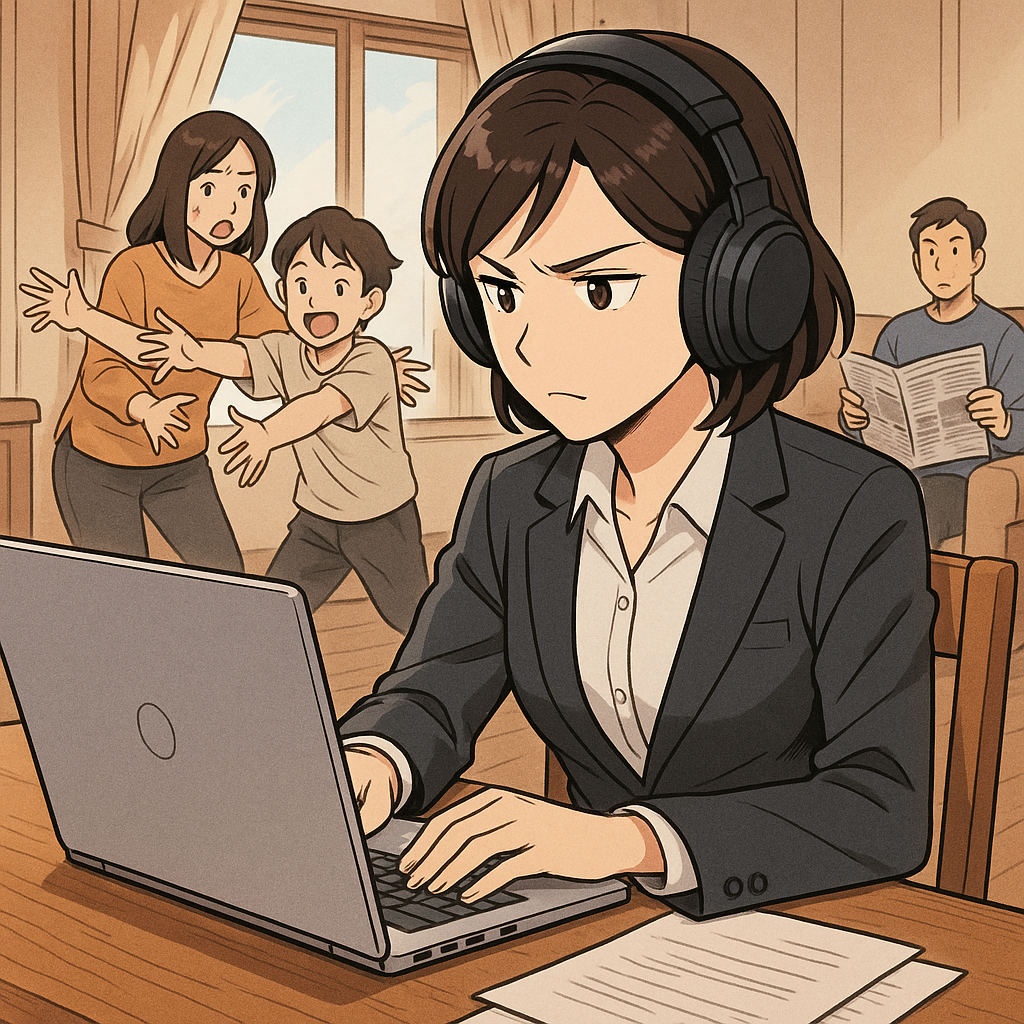
“Snow” Days can create a rowdy home-work environment - use noise-canceling headphones to allow you to work in peace and quiet!

Your phone system must function when you cannot physically reach your office. Voice over Internet Protocol (VoIP) services like Vonage and RingCentral forward calls to your mobile phone automatically. Clients dial your office number and you answer on your cell. The technology is invisible to them.

Weatherproofing your communication strategy includes recording professional voicemail greetings that address weather events specifically. Record a message explaining that winter weather has shifted operations to remote status. Provide your email address and realistic response timeframes. This manages client expectations and reduces anxiety during disruptive weather.

Video conferencing has become standard for legal practice. Zoom, Microsoft Teams, and Google Meet all function effectively for client meetings, depositions, and court appearances. Weatherproofing requires testing your video setup before storm season arrives. Practice sharing your screen. Learn how to mute participants. Understand waiting rooms and breakout rooms. One hour of technical preparation eliminates embarrassing technology failures during critical client interactions.

These communication systems support ABA Model Rule 1.4 requirements to keep clients reasonably informed. Weatherproofing communication technology ensures you maintain this obligation regardless of weather disruptions.

Power and Internet Backup: Continuity When Infrastructure Fails

Winter storms cause power failures regularly. Your practice cannot continue when power outages disconnect you from the internet. Uninterruptible Power Supplies (UPS devices) cost under $200 and keep your internet router running for hours. This maintains your connection while power companies restore service to your area.

Cellular hotspots provide internet access when home connections fail completely. Every major cellular carrier offers hotspot devices. Your smartphone can function as a hotspot during emergencies. Weatherproofing requires testing these backup systems monthly so you understand exactly how to activate them when actual emergencies occur.

These backup systems support ABA Model Rule 1.3 obligations regarding diligence. You cannot fulfill diligence requirements if power outages disconnect you from client matters entirely. Backup power ensures you maintain your professional obligations.

Silence Is Golden: Noise-Canceling Headphones Are Professional Weatherproofing Equipment

Winter weather creates unexpected home office challenges that sophisticated attorneys often overlook. School closures mean energetic children needing supervision. Family members gather for holiday celebrations. Neighborhood snow removal equipment operates unpredictably. Power outages and backup generators create intrusive background noise. These disruptions destroy professional communication quality and prevent sustained focus on complex legal work.

Noise-canceling headphones represent essential weatherproofing equipment. Sony WH-1000XM5, Bose QuietComfort 45, and Apple AirPods Pro and Pro Max provide excellent noise cancellation at varying price points. These devices analyze ambient sound and create opposing sound waves that neutralize background noise effectively.

During client calls, noise-canceling headphones protect your professional reputation. Your clients hear your voice clearly without household distractions in the background. You remain focused on their legal matters rather than worrying about children playing, family conversations, or storm-related noise.

During deep work—document review, legal research, contract analysis—noise cancellation creates concentrated mental space for complex analysis. Your productivity increases substantially. Complex legal analysis requires uninterrupted focus. Winter weather disruptions (and rambunctious children 👶) destroy focus 🧘. Noise-canceling headphones restore it.

Weatherproofing your practice includes investing in quality headphones rather than cheap alternatives. Premium options provide all-day comfort, excellent sound quality, and genuine noise cancellation. Many models work simultaneously with your office phone system and mobile devices. They charge overnight and last through multiple work days without needing recharge.

Keep your headphones charged and ready. During actual weather events, they become your most valuable technology investment for maintaining professional communication standards and sustained analytical focus.

This equipment supports ABA Model Rule 1.1 competence requirements. Maintaining quality communication and analytical focus directly impacts your legal work quality. The technology that enables this quality—including noise-canceling headphones—becomes part of your professional competence obligations.

Implementing Weatherproofing Gradually

Technology intimidates many attorneys. Law school taught you to analyze cases, not configure networks. Weatherproofing succeeds through incremental implementation rather than attempting comprehensive changes simultaneously.

Start with one system. Cloud-based practice management software or secure-synced document access is the logical first choice because it impacts your entire practice. Master it completely before adding additional technology. Then add VPN security next. Finally, complete your setup with backup power systems. Each step builds confidence and competence.

Use vendor support extensively throughout implementation. These companies employ teams specifically to help attorneys. Schedule training sessions. Watch their video tutorials. Read their knowledge bases. Professional implementation support means you are not expected to figure out technology independently.

Involve your staff in the weatherproofing process. Your paralegal likely possesses stronger technology skills. Your administrative assistant may have used similar systems previously. Leverage their expertise. Create a collaborative team approach to weatherproofing rather than attempting solo implementation.

This collaborative approach honors ABA Model Rule 5.1 responsibilities. Partners and supervisors must ensure subordinates conform to ethical obligations. Weatherproofing your practice collectively ensures everyone maintains compliance with professional conduct requirements.

Ethical Obligations and Weatherproofing Summary

ABA Model Rules establish clear professional conduct standards that weatherproofing directly addresses.

ABA Model Rule 1.1 (Competence): Weatherproofing demonstrates competence because it maintains your ability to serve clients effectively. Technology systems that function reliably during winter weather are part of modern legal competence.

ABA Model Rule 1.3 (Diligence): Weatherproofing ensures you maintain diligence in representing clients. Power outages and weather cannot justify abandoning client matters. Your infrastructure must sustain diligent representation regardless of external circumstances.

ABA Model Rule 1.4 (Communication): Weatherproofing enables keeping clients reasonably informed about their matters. Remote communication systems ensure clients receive updates and information even when weather disrupts normal office operations.

ABA Model Rule 1.6 (Confidentiality): Weatherproofing protects client confidentiality through secure remote access systems. Confidentiality obligations intensify when you work from remote locations without adequate security. Weatherproofing includes the technology safeguards necessary to maintain confidentiality.

ABA Model Rule 5.1 (Partners and Supervisors): Partners and supervisory attorneys must ensure that all attorneys and staff conform to professional conduct rules. Weatherproofing your firm collectively ensures everyone maintains ethical obligations during weather disruptions.

The Illinois Supreme Court's December 2024 ruling explicitly permits technology and AI use while holding attorneys responsible for all work product. This principle extends directly to weatherproofing technology. You must understand your systems sufficiently to ensure client confidentiality and competent representation remain uncompromised.

Document your technology decisions formally. Maintain records of your security measures. Create written procedures for remote work protocols. These documents demonstrate professional due diligence if clients question your weather-related practices or if bar counsel inquires about your compliance with Model Rules.

Supervise your staff remotely with the same effectiveness you maintain in the office. Establish daily check-in procedures. Monitor work product quality. Maintain professional standards regardless of physical location. Weatherproofing includes managing your team's productivity during weather disruptions while ensuring they maintain ethical obligations.

Final Thoughts: Weatherproofing Is Preparation, Not Reaction

DOn’t let inclement weather leave you in the dark and miss critical deadlines!

Weatherproofing succeeds only through proactive implementation. Snow forecasts appear before storms arrive. Implement these systems now rather than scrambling during the next winter weather event. Start today with a free trial of cloud-based practice management software. Schedule VPN setup for this weekend. Purchase noise-canceling headphones before holiday travel season intensifies.

The investment is minimal. The professional risk of inaction is substantial. A single missed filing deadline due to weather can damage your reputation permanently and potentially violate your ABA Model Rule 1.3 diligence obligations. A single data breach from insecure remote access can trigger malpractice claims and violate your ABA Model Rule 1.6 confidentiality obligations.

Winter weather is inevitable and predictable. Practice disruption is optional and preventable. The technology exists. The ethical guidelines explicitly support it through ABA Model Rules requiring competence, diligence, communication, and confidentiality. Your clients increasingly expect it. The only remaining question is whether you will weatherproof your practice before the next storm or wish you had when disruption strikes.