
MTC: Clio–Alexi Legal Tech Fight: What CRM Vendor Litigation Means for Your Law Firm, Client Data and ABA Model Rule Compliance ⚖️💻
/
Competence, Confidentiality, Vendor Oversight!
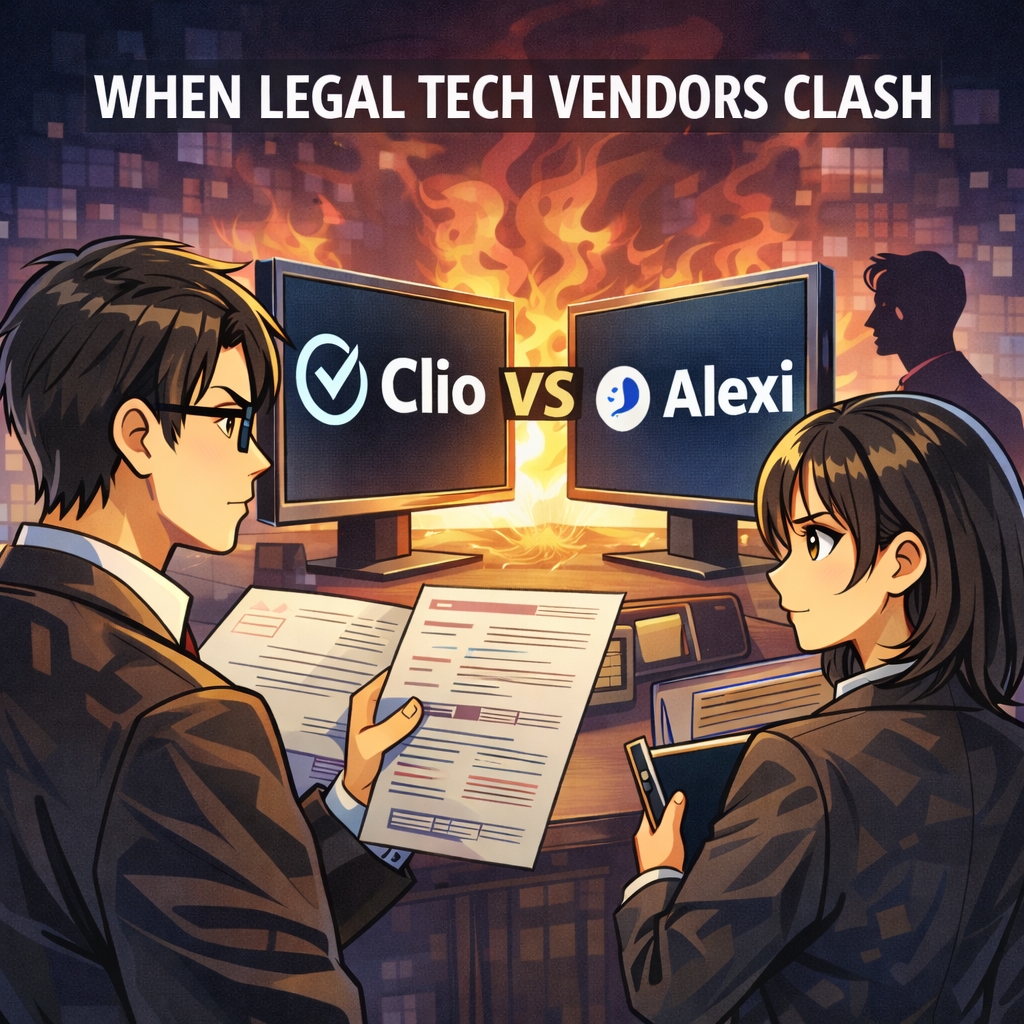
When the companies behind your CRM and AI research tools start suing each other, the dispute is not just “tech industry drama” — it can reshape the practical and ethical foundations of your practice. At a basic to moderate level, the Clio–Alexi fight is about who controls valuable legal data, how that data can be used to power AI tools, and whether one side is using its market position unfairly. Clio (a major practice‑management and CRM platform) is tied to legal research tools and large legal databases. Alexi is a newer AI‑driven research company that depends on access to caselaw and related materials to train and deliver its products. In broad strokes, one side claims the other misused or improperly accessed data and technology; the other responds that the litigation is “sham” or anticompetitive, designed to limit a smaller rival and protect a dominant ecosystem. There are allegations around trade secrets, data licensing, and antitrust‑style behavior. None of that may sound like your problem — until you remember that your client data, workflows, and deadlines live inside tools these companies own, operate, or integrate with.
For lawyers with limited to moderate technology skills, you do not need to decode every technical claim in the complaints and counterclaims. You do, however, need to recognize that vendor instability, lawsuits, and potential regulatory scrutiny can directly touch: your access to client files and calendars, the confidentiality of matter information stored in the cloud, and the long‑term reliability of the systems you use to serve clients and get paid. Once you see the dispute in those terms, it becomes squarely an ethics, risk‑management, and governance issue — not just “IT.”
ABA Model Rule 1.1: Competence Now Includes Tech and Vendor Risk
Model Rule 1.1 requires “competent representation,” which includes the legal knowledge, skill, thoroughness, and preparation reasonably necessary for the representation. In the modern practice environment, that has been interpreted to include technology competence. That does not mean you must be a programmer. It does mean you must understand, in a practical way, the tools on which your work depends and the risks they bring.
If your primary CRM, practice‑management system, or AI research tool is operated by a company in serious litigation about data, licensing, or competition, that is a material fact about your environment. Competence today includes: knowing which mission‑critical workflows rely on that vendor (intake, docketing, conflicts, billing, research, etc.); having at least a baseline sense of how vendor instability could disrupt those workflows; and building and documenting a plan for continuity — how you would move or access data if the worst‑case scenario occurred (for example, a sudden outage, injunction, or acquisition). Failing to consider these issues can undercut the “thoroughness and preparation” the Rule expects. Even if your firm is small or mid‑sized, and even if you feel “non‑technical,” you are still expected to think through these risks at a reasonable level.
ABA Model Rule 1.6: Confidentiality in a Litigation Spotlight
Model Rule 1.6 is often front of mind when lawyers think about cloud tools, and the Clio–Alexi dispute reinforces why. When a technology company is sued, its systems may become part of discovery. That raises questions like: what types of client‑related information (names, contact details, matter descriptions, notes, uploaded files) reside on those systems; under what circumstances that information could be accessed, even in redacted or aggregate form, by litigants, experts, or regulators; and how quickly and completely you can remove or export client data if a risk materializes.
You remain the steward of client confidentiality, even when data is stored with a third‑party provider. A reasonable, non‑technical but diligent approach includes: understanding where your data is hosted (jurisdictions, major sub‑processors, data‑center regions); reviewing your contracts or terms of service for clauses about data access, subpoenas, law‑enforcement or regulatory requests, and notice to you; and ensuring you have clearly defined data‑export rights — not only if you voluntarily leave, but also if the vendor is sold, enjoined, or materially disrupted by litigation. You are not expected to eliminate all risk, but you are expected to show that you considered how vendor disputes intersect with your duty to protect confidential information.
ABA Model Rule 5.3: Treat Vendors as Supervised Non‑Lawyer Assistants

ABA Rules for Modern Legal Technology can be a factor when legal tech companies fight!
Model Rule 5.3 requires lawyers to make reasonable efforts to ensure that non‑lawyer assistants’ conduct is compatible with professional obligations. In 2026, core technology vendors — CRMs, AI research platforms, document‑automation tools — clearly fall into this category.
You are not supervising individual programmers, but you are responsible for: performing documented diligence before adopting a vendor (security posture, uptime, reputation, regulatory or litigation history); monitoring for material changes (lawsuits like the Clio–Alexi matter, mergers, new data‑sharing practices, or major product shifts); and reassessing risk when those changes occur and adjusting your tech stack or contracts accordingly. A litigation event is a signal that “facts have changed.” Reasonable supervision in that moment might mean: having someone (inside counsel, managing partner, or a trusted advisor) read high‑level summaries of the dispute; asking the vendor for an explanation of how the litigation affects uptime, data security, and long‑term support; and considering whether you need contractual amendments, additional audit rights, or a backup plan with another provider. Again, the standard is not perfection, but reasoned, documented effort.
How the Clio–Alexi Battle Can Create Problems for Users
A dispute at this scale can create practical, near‑term friction for everyday users, quite apart from any final judgment. Even if the platforms remain online, lawyers may see more frequent product changes, tightened integrations, shifting data‑sharing terms, or revised pricing structures as companies adjust to litigation costs and strategy. Any of these changes can disrupt familiar workflows, create confusion around where data actually lives, or complicate internal training and procedures.
There is also the possibility of more subtle instability. For example, if a product roadmap slows down or pivots under legal pressure, features that firms were counting on — for automation, AI‑assisted drafting, or analytics — may be delayed or re‑scoped. That can leave firms who invested heavily in a particular tool scrambling to fill functionality gaps with manual workarounds or additional software. None of this automatically violates any rule, but it can introduce operational risk that lawyers must understand and manage.
In edge cases, such as a court order that forces a vendor to disable key features on short notice or a rapid sale of part of the business, intense litigation can even raise questions about long‑term continuity. A company might divest a product line, change licensing models, or settle on terms that affect how data can be stored, accessed, or used for AI. Firms could then face tight timelines to accept new terms, migrate data, or re‑evaluate how integrated AI features operate on client materials. Without offering any legal advice about what an individual firm should do, it is fair to say that paying attention early — before options narrow — is usually more comfortable than reacting after a sudden announcement or deadline.
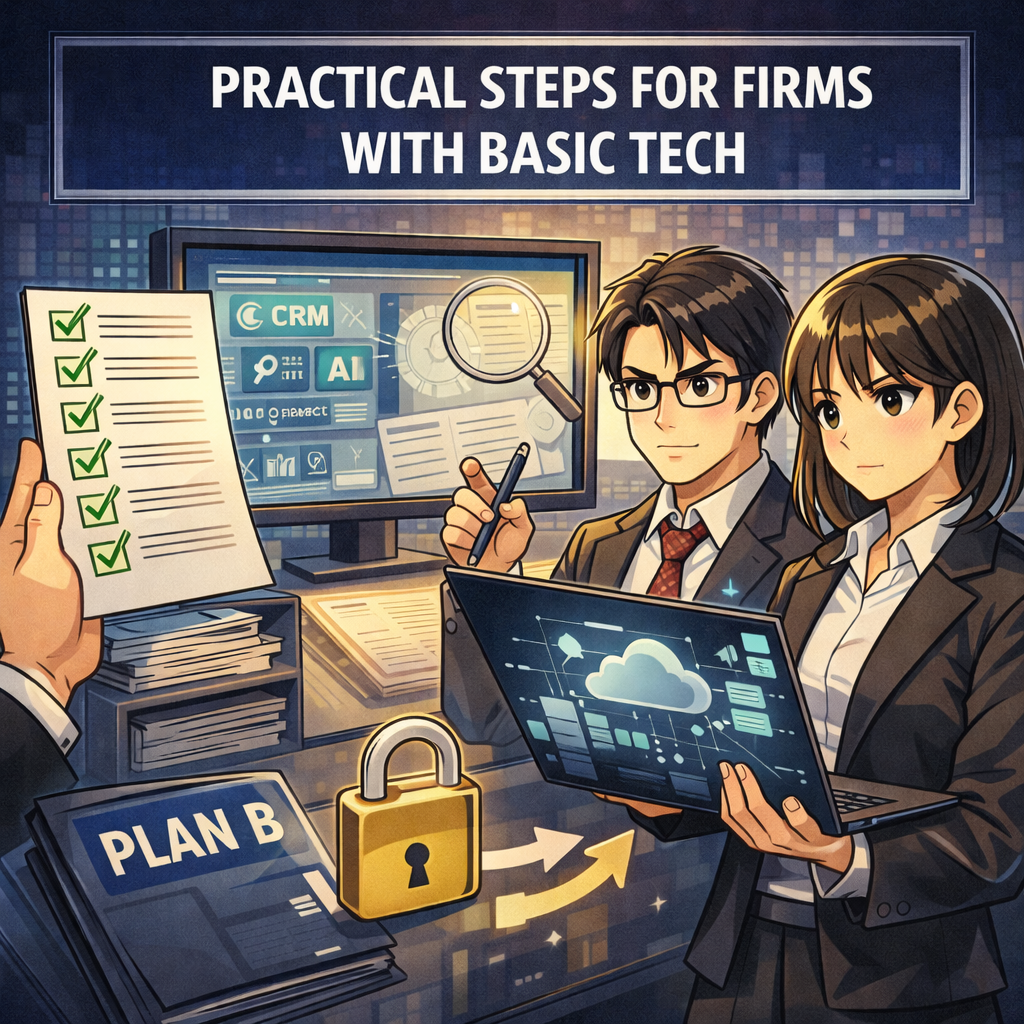
Practical Steps for Firms at a Basic–Moderate Tech Level
You do not need a CIO to respond intelligently. For most firms, a short, structured exercise will go a long way:
Practical Tech Steps for Today’s Law Firms
Inventory your dependencies. List your core systems (CRM/practice management, document management, time and billing, conflicts, research/AI tools) and note which vendors are in high‑profile disputes or under regulatory or antitrust scrutiny.
Review contracts for safety valves. Look for data‑export provisions, notice obligations if the vendor faces litigation affecting your data, incident‑response timelines, and business‑continuity commitments; capture current online terms.
Map a contingency plan. Decide how you would export and migrate data if compelled by ethics, client demand, or operational need, and identify at least one alternative provider in each critical category.
Document your diligence. Prepare a brief internal memo or checklist summarizing what you reviewed, what you concluded, and what you will monitor, so you can later show your decisions were thoughtful.
Communicate without alarming. Most clients care about continuity and confidentiality, not vendor‑litigation details; you can honestly say you monitor providers, have export and backup options, and have assessed the impact of current disputes.
From “IT Problem” to Core Professional Skill
The Clio–Alexi litigation is a prominent reminder that law practice now runs on contested digital infrastructure. The real message for working lawyers is not to flee from technology but to fold vendor risk into ordinary professional judgment. If you understand, at a basic to moderate level, what the dispute is about — data, AI training, licensing, and competition — and you take concrete steps to evaluate contracts, plan for continuity, and protect confidentiality, you are already practicing technology competence in a way the ABA Model Rules contemplate. You do not have to be an engineer to be a careful, ethics‑focused consumer of legal tech. By treating CRM and AI providers as supervised non‑lawyer assistants, rather than invisible utilities, you position your firm to navigate future lawsuits, acquisitions, and regulatory storms with far less disruption. That is good risk management, sound ethics, and, increasingly, a core element of competent lawyering in the digital era. 💼⚖️