📖 Word of the Week: The Meaning of “Data Governance” and the Modern Law Practice - Your Essential Guide for 2025

Understanding Data Governance: A Lawyer's Blueprint for Protecting Client Information and Meeting Ethical Obligations

Lawyers need to know about “DAta governance” and how it affects their practice of law.

Data governance has emerged as one of the most critical responsibilities facing legal professionals today. The digital transformation of legal practice brings tremendous efficiency gains but also creates significant risks to client confidentiality and attorney ethical obligations. Every email sent, document stored, and case file managed represents a potential vulnerability that requires careful oversight.

What Data Governance Means for Lawyers

Data governance encompasses the policies, procedures, and practices that ensure information is managed consistently and reliably throughout its lifecycle. For legal professionals, this means establishing clear frameworks for how client information is collected, stored, accessed, shared, retained, and ultimately deleted. The goal is straightforward: protect sensitive client data while maintaining the accessibility needed for effective representation.

The framework defines who can take which actions with specific data assets. It establishes ownership and stewardship responsibilities. It classifies information by sensitivity and criticality. Most importantly for attorneys, it ensures compliance with ethical rules while supporting operational efficiency.

The Ethical Imperative Under ABA Model Rules

The American Bar Association Model Rules of Professional Conduct create clear mandates for lawyers regarding technology and data management. These obligations serve as an excellent source of guidance regardless of whether your state has formally adopted specific technology competence requirements. BUT REMEMBER ALWAYS FOLLOW YOUR STATE’S ETHIC’S RULES FIRST!

Model Rule 1.1 addresses competence and was amended in 2012 to explicitly include technological competence. Comment 8 now requires lawyers to "keep abreast of changes in the law and its practice, including the benefits and risks associated with relevant technology". This means attorneys must understand the data systems they use for client representation. Ignorance of technology is no longer acceptable.

Model Rule 1.6 governs confidentiality of information. The rule requires lawyers to "make reasonable efforts to prevent the inadvertent or unauthorized disclosure of, or unauthorized access to, information relating to the representation of a client". Comment 18 specifically addresses the need to safeguard information against unauthorized access by third parties. This creates a direct ethical obligation to implement appropriate data security measures.

Model Rule 5.3 addresses responsibilities regarding nonlawyer assistants. This rule extends to technology vendors and service providers who handle client data. Lawyers must ensure that third-party vendors comply with the same ethical obligations that bind attorneys. This requires due diligence when selecting cloud storage providers, practice management software, and artificial intelligence tools.

The High Cost of Data Governance Failures

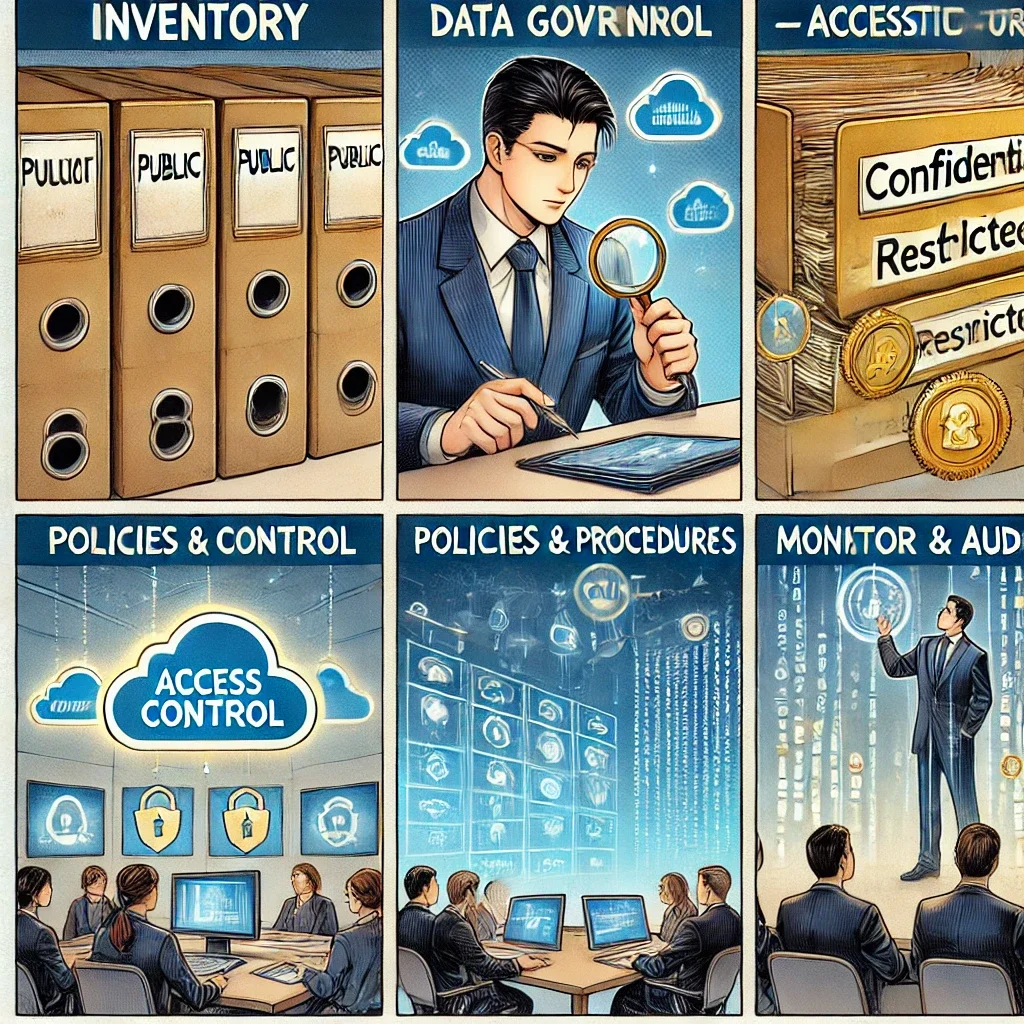
lawyers need to know the multiple facets of data Governance

Law firms face average data breach costs of $5.08 million. These financial losses pale in comparison to the reputational damage and loss of client trust that follows a security incident. A single breach can expose trade secrets, privileged communications, and personally identifiable information.

The consequences extend beyond monetary damages. Ethical violations can result in disciplinary action. Inadequate data security arguably constitutes a failure to fulfill the duty of confidentiality under Rule 1.6. Some jurisdictions have issued ethics opinions requiring attorneys to notify clients of breaches resulting from lawyer negligence.

Recent guidance from state bars emphasizes that lawyers must self-report breaches involving client data exposure. The ABA's Formal Opinion 483 addresses data breach obligations directly. The opinion confirms that lawyers have duties under Rules 1.1, 1.4, 1.6, 5.1, and 5.3 related to cybersecurity.

Building Your Data Governance Framework

Implementing effective data governance requires systematic planning and execution. The process begins with understanding your current data landscape.

Step One: Conduct a Data Inventory

Identify all data assets within your practice. Catalog their sources, types, formats, and locations. Map how data flows through your firm from creation to disposal. This inventory reveals where client information resides and who has access to it.

Step Two: Classify Your Data

Not all information requires the same level of protection. Establish a classification system based on sensitivity and confidentiality. Many firms use four levels: public, internal, confidential, and restricted.

Privileged attorney-client communications require the highest protection level. Publicly filed documents may still be confidential under Rule 1.6, contrary to common misconception. Client identity itself often qualifies as protected information.

Step Three: Define Access Controls

Implement role-based access controls that limit data exposure. Apply the principle of least privilege—users should access only information necessary for their specific responsibilities. Multi-factor authentication adds essential security for sensitive systems.

Step Four: Establish Policies and Procedures

Document clear policies governing data handling. Address encryption requirements for data at rest and in transit. Set retention schedules that balance legal obligations with security concerns. Create incident response plans for potential breaches.

Step Five: Train Your Team

The human element represents the greatest security vulnerability. Sixty-eight percent of data breaches involve human error. Regular training ensures staff understand their responsibilities and can recognize threats. Training should cover phishing awareness, password security, and proper data handling procedures.

Step Six: Monitor and Audit

Continuous oversight maintains governance effectiveness. Regular audits identify vulnerabilities before they become breaches. Review access logs for unusual activity. Update policies as technology and regulations evolve.

Special Considerations for Artificial Intelligence

The rise of generative AI tools creates new data governance challenges. ABA Formal Opinion 512 specifically addresses AI use in legal practice. Lawyers must understand whether AI systems are "self-learning" and use client data for training.

Many consumer AI platforms retain and learn from user inputs. Uploading confidential client information to ChatGPT or similar tools may constitute an ethical violation. Even AI tools marketed to law firms require careful vetting.

Before using any AI system with client data, obtain informed consent. Boilerplate language in engagement letters is insufficient. Clients need clear explanations of how their information will be used and what risks exist.

Vendor Management and Third-Party Risk

Lawyers cannot delegate their ethical obligations to technology vendors. Rule 5.3 requires reasonable efforts to ensure nonlawyer assistants comply with professional obligations. This extends to cloud storage providers, case management platforms, and cybersecurity consultants.

Before engaging any vendor handling client data, conduct thorough due diligence. Verify the vendor maintains appropriate security certifications like SOC 2, ISO 27001, or HIPAA compliance. Review vendor contracts to ensure adequate data protection provisions. Understand where data will be stored and who will have access.

The Path Forward

lawyers need to advocate data governance for their clients!

Data governance is not optional for modern legal practice. It represents a fundamental ethical obligation under multiple Model Rules. Client trust depends on proper data stewardship.

Begin with a realistic assessment of your current practices. Identify gaps between your current state and ethical requirements. Develop policies that address your specific risks and practice areas. Implement controls systematically rather than attempting wholesale transformation overnight.

Remember that data governance is an ongoing process requiring continuous attention. Technology evolves. Threats change. Regulations expand. Your governance framework must adapt accordingly.

The investment in proper data governance protects your clients, your practice, and your professional reputation. More importantly, it fulfills your fundamental ethical duty to safeguard client confidences in an increasingly digital world.

🚨 BOLO CYBERSECURITY ALERT: LunaSpy Android Spyware Threatens All Users—Protect Your Law Practice Now!

Android users must be aware of potential threats to their data!

CRITICAL THREAT ALERT 🚨 A sophisticated new Android spyware campaign dubbed LunaSpy has been active since February 2025, broadly targeting Android users via messaging apps—anyone installing its fake “antivirus” could be compromised, including legal professionals. LunaSpy spreads through Telegram, WhatsApp, Signal, and other platforms by sending messages like “Hi, install this program here,” tricking victims into granting extensive device permissions after fake security scans report fabricated threats.

Once installed, LunaSpy’s capabilities pose severe risks: it steals passwords from browsers and messaging apps, intercepts text messages (including two-factor codes), records audio and video via microphones and cameras, captures screen contents (e.g., client documents, case notes), and tracks real-time location (e.g., revealing meetings and court visits). Kaspersky researchers have linked over 150 command-and-control servers to LunaSpy’s global network, enabling continuous data exfiltration and remote command execution.

While any Android user is at risk, lawyers face heightened consequences if infected. A breach of attorney-client communications or privileged documents can trigger:

Immediate Action Steps for all Android-using legal professionals and their staff:

users are the first line of defense when it comes to preventing computer viruses on their tech!

  1. Audit and remove any unverified security or banking apps; restrict installations to Google Play only.

  2. Deploy Mobile Device Management (MDM): enforce app blacklists, remote wipe, and automated patching.

  3. Enable full-disk encryption and secure lock screens with complex passcodes or biometrics.

  4. Train staff on social engineering tactics—recognize unsolicited install prompts or links in messages.

  5. Use end-to-end encrypted desktop-based messaging for privileged communications, limiting mobile use.

  6. Establish an incident response plan: include immediate device quarantine, forensic analysis, and regulatory notification procedures.

LunaSpy is not a hypothetical risk—it’s actively compromising Android devices around the globe. Although the campaign targets the general public, legal professionals handling sensitive client data are particularly vulnerable to cascading professional, legal, and ethical consequences if infected. With over 150 active command servers and ongoing code enhancements, the threat will only escalate. Every day without these safeguards increases your exposure—act now to secure mobile devices, train teams, and reinforce your firm’s cybersecurity posture.

🚨 MTC: “Breaking News” Supreme Court DOGE Ruling - Critical Privacy Warnings for Legal Professionals After Social Security Data Access Approval!

Recent supreme court ruling may have placed every american’s pii at risk!

Supreme Court DOGE Ruling: Critical Privacy Warnings for Legal Professionals After Social Security Data Access Approval

Last Friday's Supreme Court ruling represents a watershed moment for data privacy in America. The Court's decision to allow the Department of Government Efficiency (DOGE) unprecedented access to Social Security Administration (SSA) databases containing millions of Americans' personal information creates immediate and serious risks for legal professionals and their clients.

The Ruling's Immediate Impact 📊

The Supreme Court's 6-3 decision lifted lower court injunctions that had previously restricted DOGE's access to sensitive SSA systems. Justice Ketanji Brown Jackson's dissent warned that this ruling "creates grave privacy risks for millions of Americans". The majority allowed DOGE to proceed with accessing agency records containing Social Security numbers, medical histories, banking information, and employment data.

This decision affects far more than government efficiency initiatives. Legal professionals must understand that their personal information, along with that of their clients and the general public, now sits in systems accessible to a newly-created department with limited oversight.

Understanding the Privacy Act Framework ⚖️

The Privacy Act of 1974 was designed to prevent exactly this type of unauthorized data sharing. The law requires federal agencies to maintain strict controls over personally identifiable information (PII) and prohibits disclosure without written consent. However, DOGE appears to operate in a regulatory gray area that sidesteps these protections.

Legal professionals should recognize that this ruling effectively undermines decades of privacy protections. The same safeguards that protect attorney-client privilege and confidential case information may no longer provide adequate security.

Specific Risks for Legal Professionals 🎯

your clients are not Alone Against the Algorithm!

Attorney Personal Information Exposure

Your personal data held by the SSA includes tax information, employment history, and financial records. This information can be used for identity theft, targeted phishing attacks, or professional blackmail. Cybercriminals regularly sell such data on dark web marketplaces for $10 to $1,000 per record.

Client Information Vulnerabilities

Clients' SSA data exposure creates attorney liability issues. If client information becomes publicly available through data breaches or dark web sales, attorneys may face malpractice claims for failing to anticipate these risks. The American Bar Association's Rule 1.6 requires lawyers to make "reasonable efforts" to protect client information.

Professional Practice Threats

Law firms already face significant cybersecurity challenges, with 29% reporting security breaches. The DOGE ruling amplifies these risks by creating new attack vectors. Hackers specifically target legal professionals because they handle sensitive information with often inadequate security measures.

Technical Safeguards Legal Professionals Must Implement 🔐

Immediate Action Items

Encrypt all client communications and files using end-to-end encryption. Deploy multi-factor authentication across all systems. Implement comprehensive backup strategies with offline storage capabilities.

Advanced Protection Measures

Conduct regular security audits and penetration testing. Establish data minimization policies to reduce PII exposure. Create incident response plans for potential breaches.

Communication Security

Use secure messaging platforms like Signal or WhatsApp for sensitive discussions. Implement email encryption services for all client correspondence. Establish secure file-sharing protocols for case documents.

Dark Web Monitoring and Response 🕵️

Cyber Defense Starts with the help of lawyers!

Legal professionals must understand how stolen data moves through criminal networks. Cybercriminals sell comprehensive identity packages on dark web marketplaces, often including professional information that can damage reputations. Personal data from government databases frequently appears on these platforms within months of breaches.

Firms should implement dark web monitoring services to detect when attorney or client information appears for sale. Early detection allows for rapid response measures, including credit monitoring and identity theft protection.

Compliance Considerations 📋

State Notification Requirements

Many states require attorneys to notify clients and attorneys general when data breaches occur. Maryland requires notification within 45 days. Virginia mandates immediate reporting for taxpayer identification number breaches. These requirements apply regardless of whether the breach originated from government database access.

Professional Responsibility

The ABA's Model Rules require attorneys to stay current with technology risks. See Model Rule 1.1:Comment 8.  These rules creates new obligations to assess and address government data access risks. Attorneys must evaluate whether current security measures remain adequate given expanded government database access.

Recommendations for Legal Technology Implementation 💻

Essential Security Tools

Deploy endpoint detection and response software on all devices. Use virtual private networks (VPNs) for all internet communications. Implement zero-trust network architectures where feasible.

Client Communication Protocols

Establish clear policies for discussing sensitive matters electronically. Create secure client portals for document exchange. Develop protocols for emergency communication during security incidents.

Staff Training Programs

Conduct regular cybersecurity training for all personnel. Focus on recognizing phishing attempts and social engineering. Establish clear protocols for reporting suspicious activities.

Looking Forward: Preparing for Continued Risks 🔮

Cyber Defense Starts BEFORE YOU GO TO Court.

The DOGE ruling likely represents the beginning of expanded government data access rather than an isolated incident. Legal professionals must prepare for an environment where traditional privacy protections may no longer apply.

Consider obtaining cybersecurity insurance specifically covering government data breach scenarios. Evaluate whether current malpractice insurance covers privacy-related claims. Develop relationships with cybersecurity professionals who understand legal industry requirements.

Final Thoughts: Acting Now to Protect Your Practice 🛡️

The Supreme Court's DOGE ruling fundamentally changes the privacy landscape for legal professionals. Attorneys can no longer assume that government-held data remains secure or private. The legal profession must adapt quickly to protect both professional practices and client interests.

This ruling demands immediate action from every legal professional. The cost of inaction far exceeds the investment in proper cybersecurity measures. Your clients trust you with their most sensitive information. That trust now requires unprecedented vigilance in our digital age.

MTC