
🚨 Last Day for Lawyer Podcasting Conference Early-Bird Pricing: Meet New Speaker Gordon Firemark, The Podcast Lawyer™ 🎙️
/🎙️ Register for the Lawyers’ Podcasting Conference before midnight tonight.
🎉
🎙️ Register for the Lawyers’ Podcasting Conference before midnight tonight. 🎉
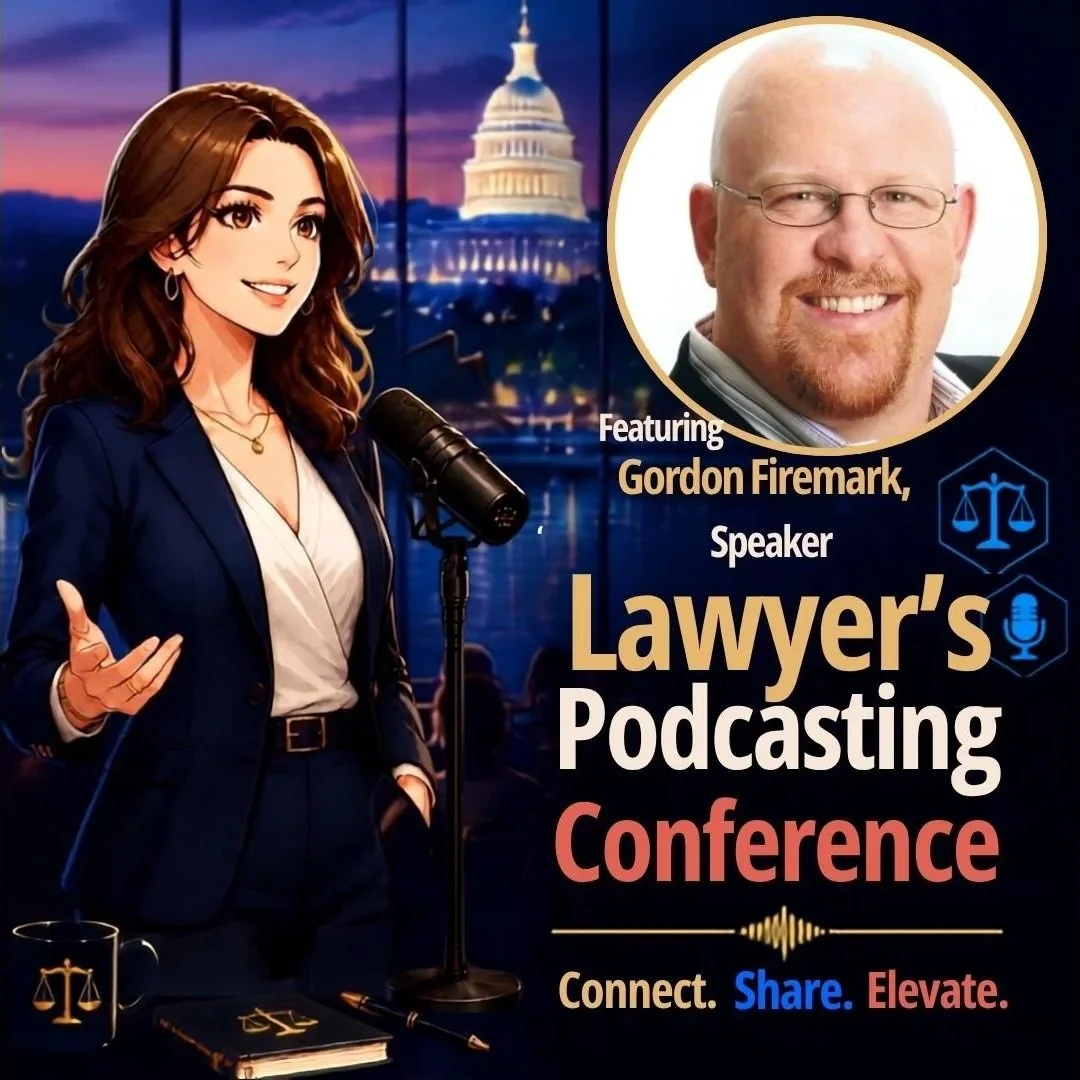
come learn from the podcast Laywer, Gordon Firemark, this november at LPC!
Today is the last day to claim early-bird pricing for The Tech-Savvy Lawyer’s Lawyers’ Podcasting Conference. Register by midnight tonight, Wednesday, September 30, 2026, to attend for 499.99—a $250 savings before the regular rate rises to $749.99. Register here.
I am also delighted to announce that Gordon Firemark—The Podcast Lawyer™—has joined our speaker lineup. 🎉 Gordon brings a rare and valuable perspective to this event: he is not only an experienced entertainment, media, and business lawyer, but also a working podcaster and the author of The Podcast, Blog & New Media Producer’s Legal Survival Guide.
The conference will be held in person on Friday, November 13, and Saturday, November 14, 2026, in McLean, Virginia. It is built as a practical working conference for lawyers who want to launch a podcast, improve an existing show, or make smarter and more responsible decisions about legal-media publishing.[5][6]
Podcasting Is a Professional Activity
Podcasting is no longer a fringe marketing experiment for lawyers. It is a durable publishing format. It gives lawyers a way to explain a developing area of law, share a point of view, build professional relationships, educate a niche audience, and create a searchable body of useful content over time.
But publishing a professional podcast involves more than buying a microphone and posting an episode.
A legal podcast can implicate confidentiality, advertising rules, supervision of vendors, intellectual-property rights, platform terms, AI tools, client expectations, and the line between general education and individualized legal advice. Those issues are manageable. They are also easier to manage when addressed before publication rather than after a problem appears. ⚖️
That is why the Lawyers’ Podcasting Conference is designed for lawyers—not generic content creators. The goal is not simply to help attendees make content. The goal is to help them develop a professional podcasting practice that is useful, credible, sustainable, and consistent with their ethical obligations.
Whether you are a solo practitioner hoping to become better known in a defined practice area, a small-firm lawyer building a referral network, or an established professional ready to create a clearer public voice, the conference will meet you where you are. You do not need to be an audio engineer. You do need a workable system.
Welcome, Gordon Firemark 🎧
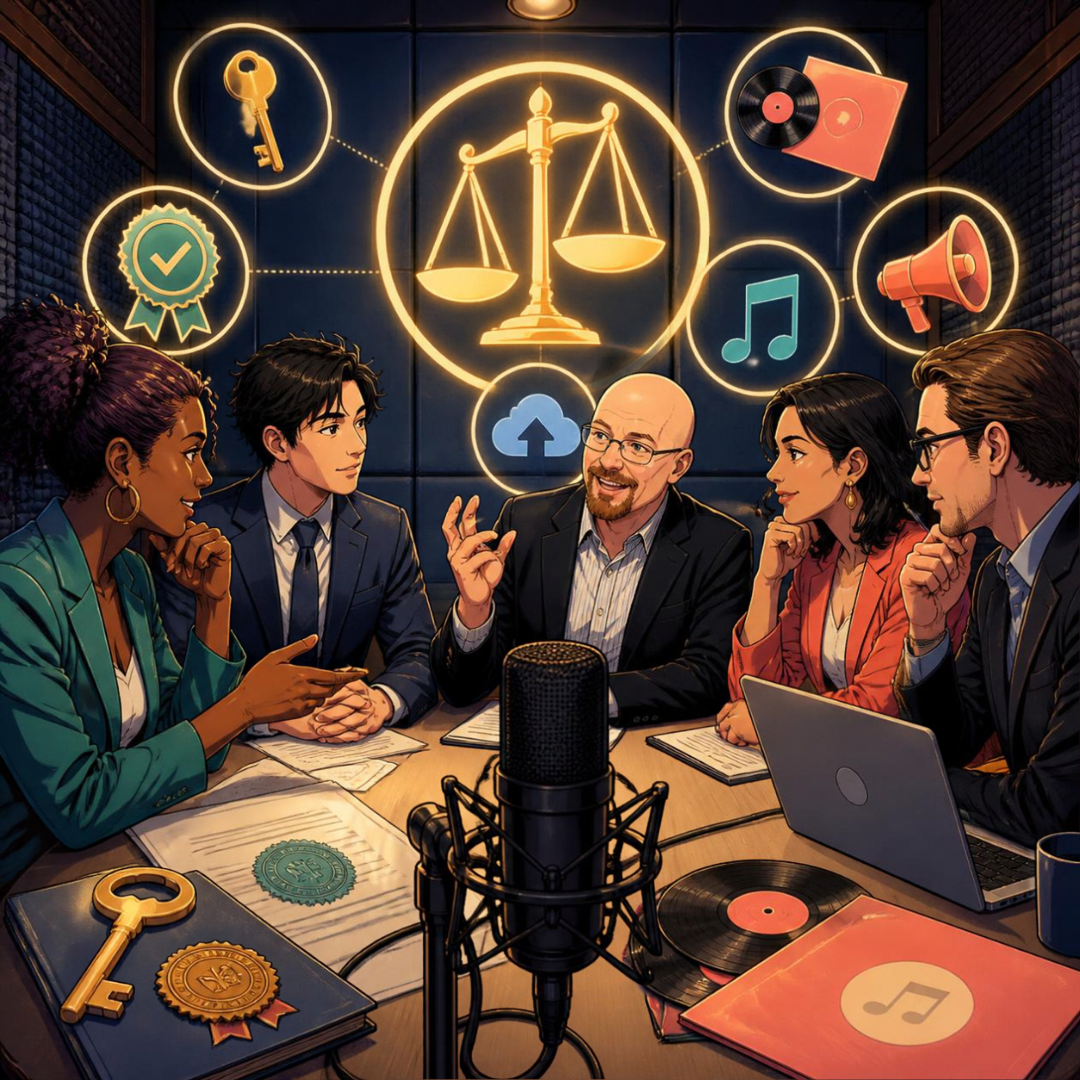
Meet Gordon Firemark, The Podcast Lawyer™, Before Early-Bird Pricing Ends
Gordon Firemark is widely known as The Podcast Lawyer™, and his work sits directly at the intersection that many lawyer-podcasters must understand: law, media, intellectual property, business, and publishing.
His professional background spans entertainment law, digital media, intellectual property, business matters, and new-media production. He has advised creative professionals and media businesses, and he has hosted and produced the long-running Entertainment Law Update podcast. That combination matters. Gordon understands podcasting not as an abstract legal category, but as a real publishing business with contracts, rights, risks, relationships, and long-term strategic choices.[7][3]
For lawyers who are serious about podcasting, this is an important addition to the conference program.
A polished episode may sound informal. The legal and business decisions behind it should not be casual. A podcast can include original music, third-party clips, guest appearances, interviews, video excerpts, AI-generated elements, sponsorship messages, affiliate disclosures, and listener engagement. Each choice can create obligations.
Gordon’s participation will help attendees think beyond the mechanics of recording. You will be able to consider the business and legal infrastructure that supports a podcast worth continuing.
That includes questions such as:
Who owns the podcast name, artwork, episode recordings, and show notes?
What permissions should you obtain from guests?
When does “fair use” become an unreliable production plan?
What should a lawyer understand before using music, clips, images, or AI-generated assets?
How should sponsorships, affiliates, and endorsements be disclosed?
What publishing decisions are easier to make correctly at the beginning than to fix later?
These are not academic questions. They are practical issues that affect whether your podcast becomes a dependable professional asset or an unnecessary source of risk.
Ethics Belong in the Workflow
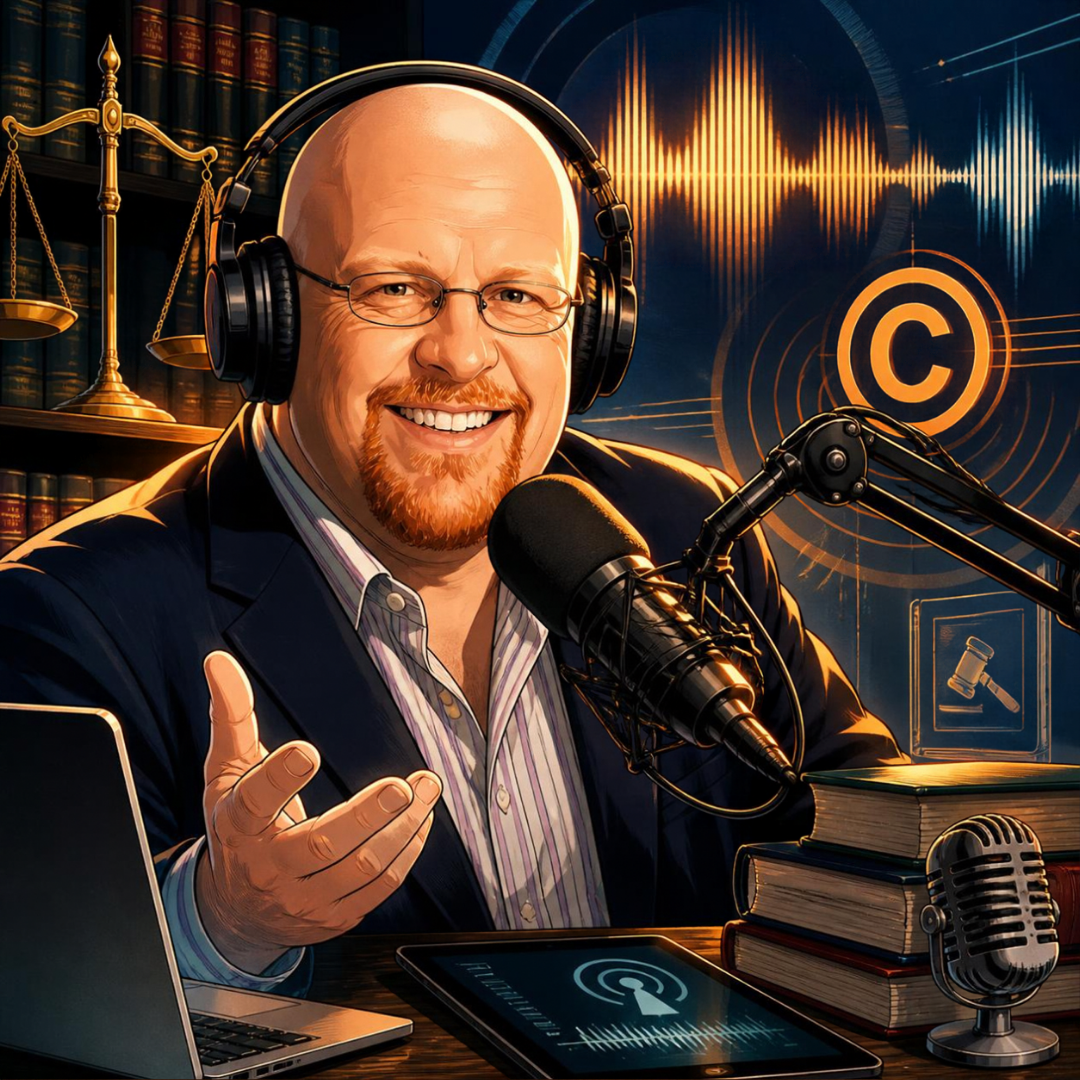
Register by September 30 for Gordon Firemark’s Legal Podcasting Insights
Lawyer podcasting is a form of public communication. That means ethics should be part of the production workflow—not an afterthought added to a disclaimer.
ABA Model Rule 1.1, including Comment 8, addresses a lawyer’s obligation to keep abreast of the benefits and risks associated with relevant technology. A lawyer does not need to master every audio platform, transcription service, hosting provider, or AI-editing tool. The lawyer does need enough understanding to make competent choices about those systems. 🎙️
For podcasters, that means asking practical questions before recording and publishing:
Where will audio and video files be stored?
Does an AI transcription or editing service retain training rights?
Who has access to raw recordings, transcripts, guest information, and unpublished episodes?
What is the review process before show notes, captions, clips, and promotional posts go live?
Model Rule 1.6 is equally important. A story can be compelling without identifying a client, but “anonymous” does not always mean unidentifiable. A combination of facts, timing, location, industry references, or unusual circumstances may reveal more than a lawyer intends. When a client story is recognizable or commercially useful, written informed consent is often the safer route.
Then there are Model Rules 7.1 through 7.3. A podcast can be a communication about a lawyer’s services. Statements about experience, results, specialization, fees, or client outcomes must not be false or misleading. Lawyers must also evaluate their own jurisdiction’s advertising and solicitation rules, including any disclaimers, filing requirements, or record-retention obligations that apply to the content they publish.
Model Rule 5.5 deserves attention when a local practice publishes to a national or global audience. Listeners may hear a helpful episode and then ask for individual advice through a comment, direct message, or intake form. A clear workflow for responding to those inquiries helps preserve the distinction between general educational content and an attorney-client relationship.
Finally, Model Rule 5.3 matters when lawyers delegate production work to editors, agencies, virtual assistants, or technology vendors. Delegation is smart. Supervision remains essential. Lawyers should set expectations, protect confidential information, review materials before publication, and retain final editorial judgment.
What You Will Build
The Lawyers’ Podcasting Conference is not a passive listening event. It is a two-day opportunity to develop a clearer plan for your show and your publishing process. 🛠️
You will work through the real decisions that make a podcast viable:
Defining an audience and premise that fit your legal practice.
Choosing a sustainable episode format and publishing cadence.
Creating a straightforward recording and editing workflow.
Using video, clips, transcripts, show notes, and distribution channels wisely.
Addressing legal ethics, client confidentiality, advertising, intellectual property, and vendor oversight.
Evaluating where AI can save time—and where human review remains nonnegotiable.
Building a professional podcast that supports reputation, relationships, education, and business development without becoming another unmanageable obligation.
Podcasting is especially powerful when it becomes part of a broader publishing system. One well-planned episode can generate an article, newsletter segment, LinkedIn discussion, short video clip, episode notes, and a resource page. That is not content for content’s sake. It is a deliberate way to make your professional knowledge easier for the right audience to discover and trust.
Our earlier post, “Questions About the Lawyer’s Podcasting Conference? Email Me Before Early-Bird Pricing Ends September 30, 2026,” explains the practical registration details. You can also read about Robert Ingalls of Lawpods joining the conference and our earlier speaker announcement for Carolyn Elefant.
Register Before Midnight
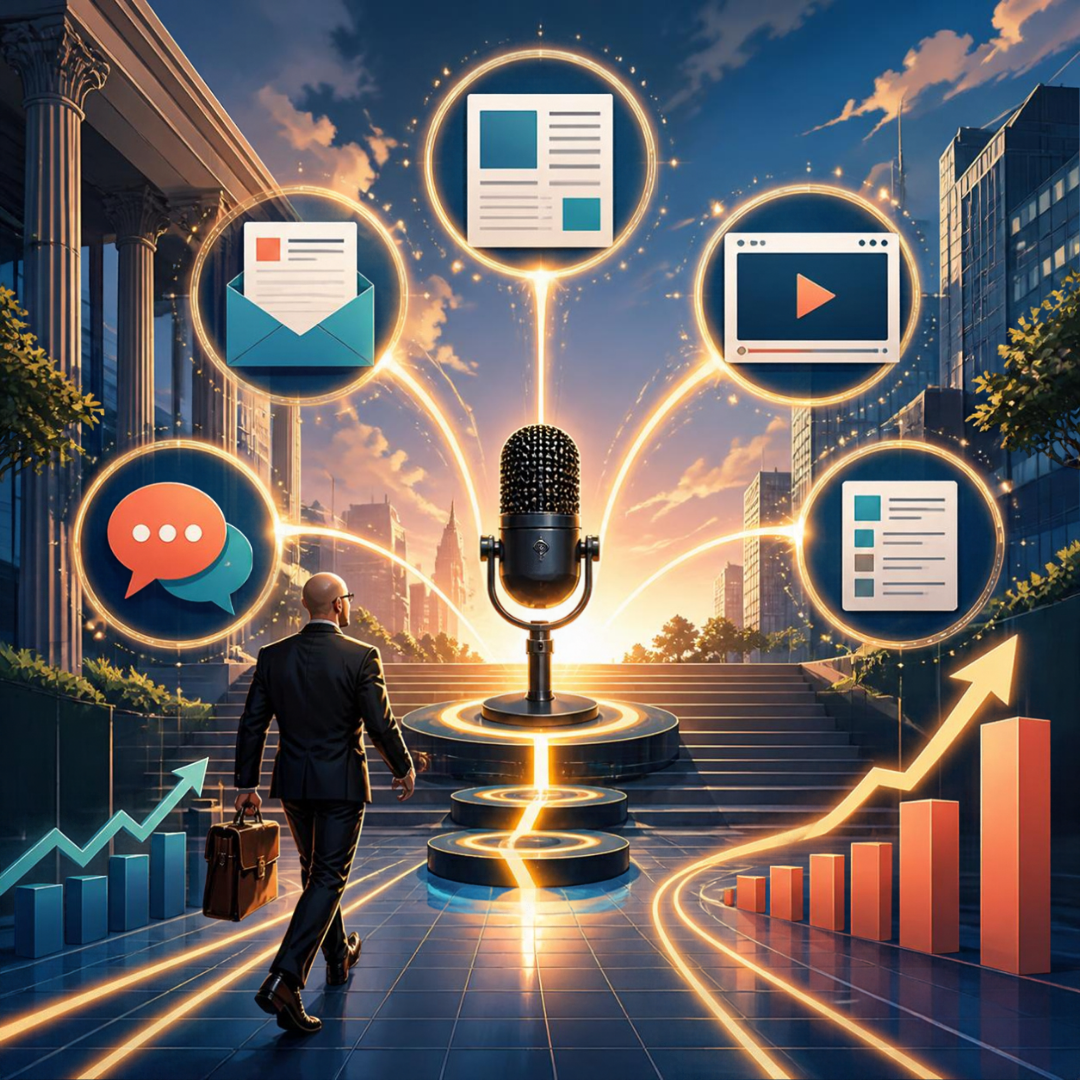
Build a Sustainable Legal Podcast With Ethics and Strategy
The early-bird deadline is not an artificial countdown. It is the final day to secure the conference for $499.99, before the regular registration rate becomes $749.99. Firms sending two attendees receive an additional $25 off per seat, and groups of four or more receive $50 off per seat during the early-bird period. Register here!
If you have been thinking about launching a legal podcast, rebooting a stalled show, or bringing more structure to a podcast that already exists, this is the time to commit. 📅
Join us in McLean this November. Learn from people who understand both the technology and the professional responsibilities that come with publishing as a lawyer. And now, learn from Gordon Firemark, The Podcast Lawyer™, about the legal and business decisions that help a podcast endure.
🎙️ Register for the Lawyers’ Podcasting Conference before midnight tonight.