Why Macstock 2026 Should Be on Every Tech-Savvy Lawyer’s Calendar (and How to Save $50 with My Code) ⚖️💻

macstock 2026 will be held july 10, 11 & 12, 2026!

If you’re a solo, small-firm, or AI‑curious lawyer who lives in the Apple ecosystem, Macstock 2026 is one of the few conferences that genuinely respects both your time and your tech stack. It’s a three‑day, community‑driven, Apple‑centric event where you can sharpen your skills with your Mac, iPhone, and iPad, and walk away with workflows you can actually deploy on Monday morning.

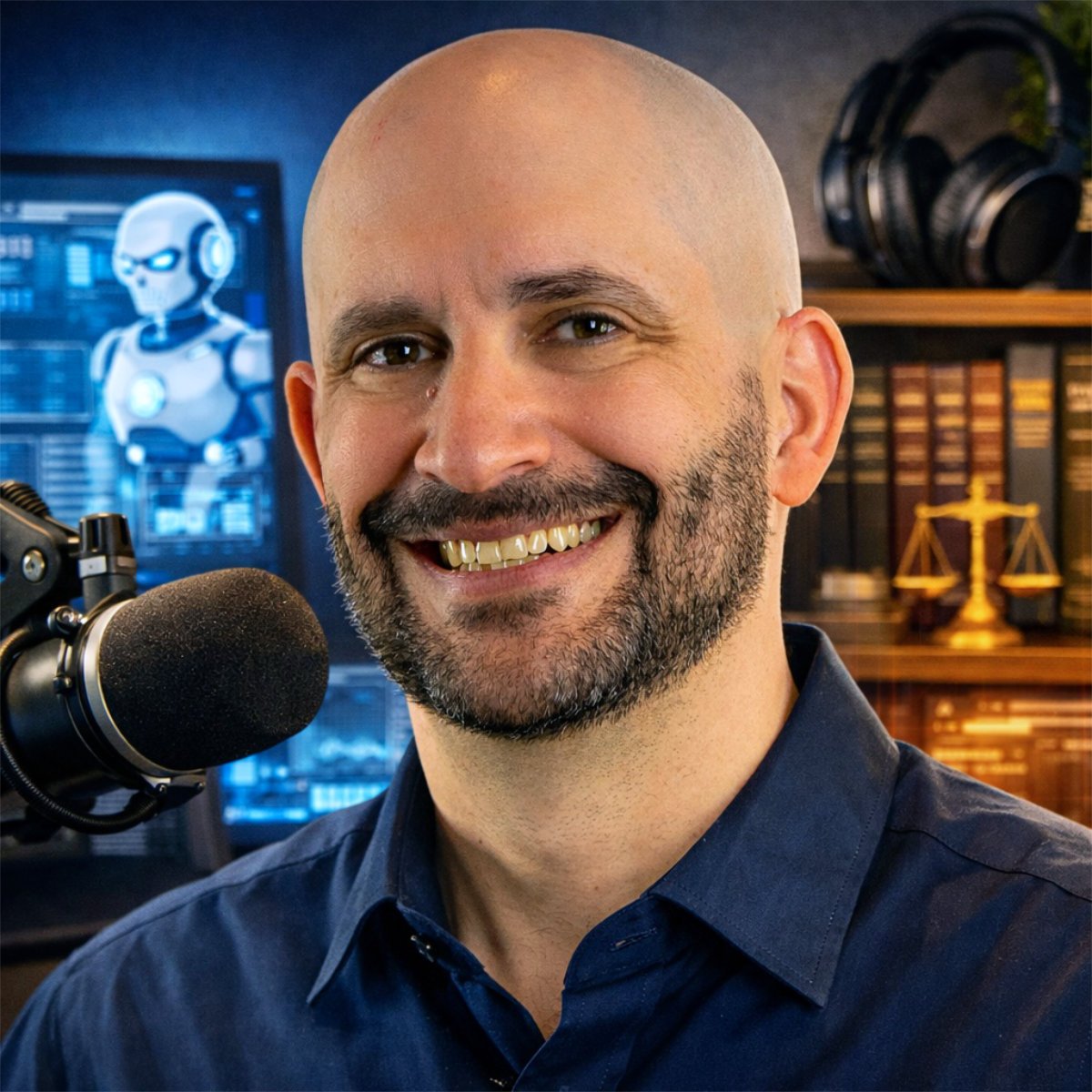
This year, I’m honored to be speaking at Macstock X on “Podcasting with Apple: From Idea to Launch Using the Gear You Already Own.” We’ll take a practical walk through planning, recording, and publishing a professional‑quality podcast using the same devices you already carry into court, client meetings, and your home office. Whether you want to build a niche show for veterans’ benefits, family law, or small‑business compliance—or simply become a more confident guest on other podcasts—this session is designed to be accessible, concrete, and repeatable. 🎙️

What Makes Macstock Different (and Why Lawyers Should Care)

Macstock isn’t a generic tech expo with a handful of Apple sessions bolted on; it’s an independent, Apple‑focused conference built for people who actually use Apple gear every day. The attendees range from first‑time Mac users to seasoned creators, but everyone shares a common goal: get more from Apple hardware and software without drowning in jargon.

For attorneys, that matters. You’re not trying to become an IT professional. You want to:

  • Capture and organize evidence more efficiently on your iPhone. 📱

  • Draft, annotate, and sign documents on your iPad when you’re away from the office.

  • Automate repetitive tasks on your Mac so you can spend more time on advocacy and less on admin.

learn how to use your mac to podcast!

Macstock’s sessions, hallway conversations, and Creator Camp tracks are all geared toward real‑world workflows—exactly the kinds of workflows I talk about on The Tech-Savvy Lawyer podcast and blog, including episodes like Ethical AI, Paperless Practice, and Smart Hardware Choices with ABA LTRC Chair Alan Klevan ⚖️🤖 and similar deep‑dives into ethical tech use.

A Time-Sensitive Deal: Save $50 and Support The Tech-Savvy Lawyer

Let’s talk about timing and value. You can use my code TECHSAVVYLAWYER at checkout to save $50 on your Macstock Weekend Pass or Creator Camp Bundle. If you’ve been thinking, “I should go to Macstock one of these years,” this is that year.

For every person who uses the code, Macstock provides me a $25 referral fee. That means:

  • You pay $50 less for a weekend of Apple‑centric, workflow‑rich content.

  • You directly support The Tech-Savvy Lawyer blog and podcast, including future episodes and tutorials.

The code TECHSAVVYLAWYER is not case‑sensitive and is valid through July 8, 2026.

How Macstock Helps You Meet Your Ethical Tech Duties

your The Tech-Savvy Lawyer.Page Blogger and podcaster will be presenting at Macstock x!

Macstock is not marketed as a legal tech conference, but it naturally supports your professional obligations under the ABA Model Rules.

  • Competence — Model Rule 1.1 (Comment 8): You have a duty to keep abreast of the benefits and risks associated with relevant technology. Learning how to securely use Apple devices for uses like document management, client communication, and evidence handling goes directly to your duty of technological competence.

  • Confidentiality — Model Rule 1.6: Many sessions at Macstock touch on system settings, backups, and secure workflows. Understanding how to configure your Apple devices to minimize unauthorized access, especially when using cloud sync and third‑party apps, strengthens your compliance with confidentiality obligations.

  • Communication — Model Rule 1.4: Clear, timely communication often depends on your ability to reach clients where they are—email, secure messaging, or even video updates. The more confidently you use your Apple tools, the more reliably you can keep clients informed.

If there is not a session directly addressing your questions, there are many enthusiastic, friendly attendees and speakers happy to try to help you and your Apple computer needs! 🤗

On The Tech-Savvy Lawyer blog and podcast, we frequently link these ethics points to real tools and scenarios—just as we did in episodes exploring AI, deepfakes, and metadata in digital evidence—and Macstock is a natural extension of that mindset.

Why Lawyers Should Care About Podcasting with Apple

Podcasting can be more than a marketing buzzword. Done right, it can be:

  • A client education channel that answers common questions before they become billable emergencies.

  • A way to build authority in a niche practice area—veterans’ benefits, immigration, special education, you name it.

  • A platform to interview judges, experts, and colleagues in a way that strengthens professional relationships.

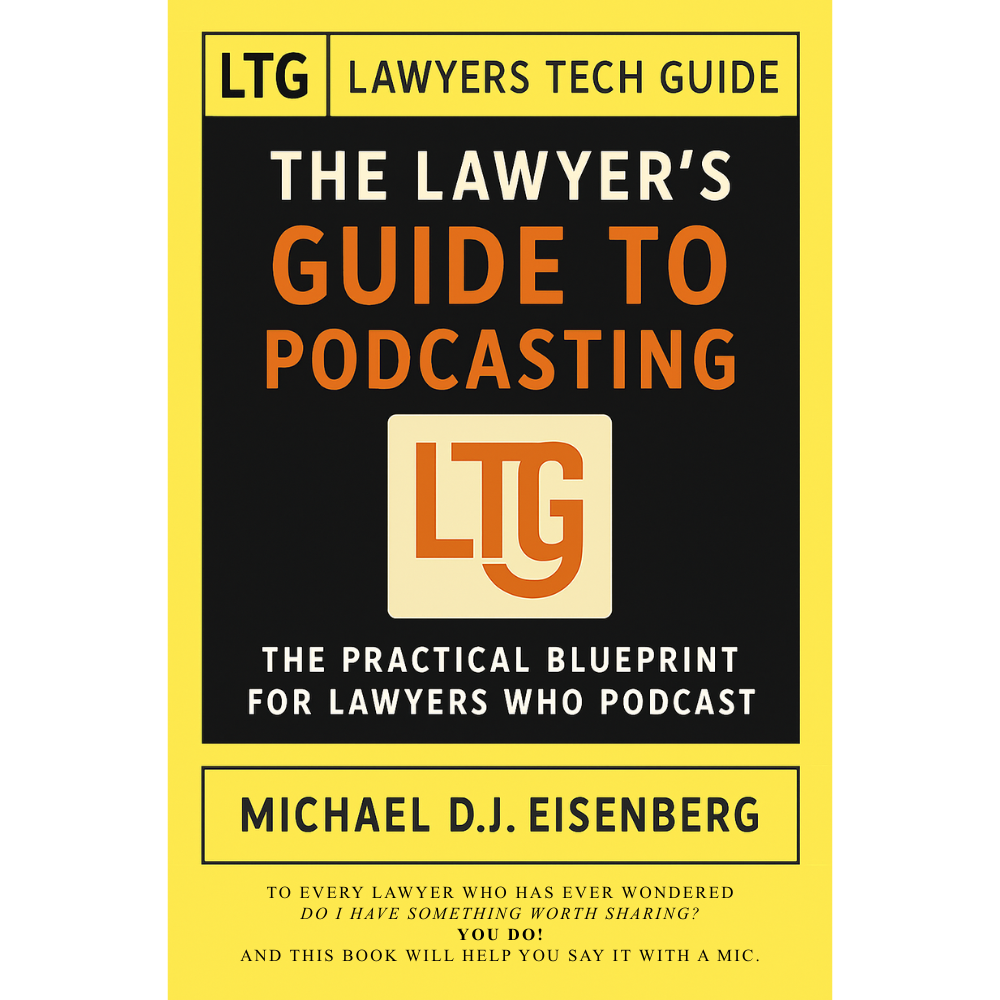
My Macstock session, “Podcasting with Apple: From Idea to Launch Using the Gear You Already Own,” is focused on practical, lawyer‑friendly steps. We’ll talk about using your iPhone as a primary microphone, recording with your Mac, organizing episodes in iCloud, and editing in approachable tools—no audio engineering degree required. If you enjoy my conversations with guests on The Tech-Savvy Lawyer podcast, this session will show you what it takes to stand behind the mic yourself.

Community, Not Just Content

One of the things I appreciate most about Macstock is the community. People go back year after year not only because the sessions are strong, but because the hallway track, shared meals, and evening conversations provide real, candid problem‑solving time.

For lawyers—especially solos and small‑firm practitioners—this kind of peer‑to‑peer exchange is invaluable. You’ll find people who:

  • Have already solved a workflow you’re struggling with.

  • Are willing to share templates, shortcuts, and practical advice.

  • Understand the pressure of balancing client work, marketing, and a life outside the office.

If you’ve listened to episodes like my MacVoices “Road to Macstock” appearance in 2024, you’ve heard how much I value that human side of legal tech and Apple tech events.

Ready to Join Me at Macstock?

If you’re serious about making your existing Apple gear work harder for your practice—without overwhelming your staff or your budget—Macstock 2026 is worth the trip. You’ll return with actionable workflows, renewed confidence, and a clearer sense of how to align your technology use with your ethical obligations.

Just don’t wait:

  • Sign up at https://macstockconferenceandexpo.com/register/

  • Use code TECHSAVVYLAWYER (not case‑sensitive) for $50 off your Macstock Weekend Pass or Creator Camp Bundle.

  • For every use of the code, I receive a $25 referral fee that helps sustain The Tech-Savvy Lawyer content you rely on.

I look forward to seeing you at Macstock X— and hopefully hearing your voice in the podcasting space soon. 🎧⚖️

MTC: Hidden AI, GEO, and the ABA Model Rules: What Every Lawyer Needs to Know Before Their Next Client Finds Them Online ⚖️🤖

Generative AI is already talking about you, your law firm, and your practice area—even if you have never opened ChatGPT. 😳 Clients ask AI tools legal questions in natural language, and those systems answer by pulling from whatever content they trust online. For lawyers, that raises two intertwined issues: “hidden AI” inside everyday tools and the rise of Generative Engine Optimization (GEO). Together, they sit squarely in the path of your duties under the ABA Model Rules.

Legal Ethics Meets GEO and Hidden AI!

Hidden AI is everywhere in modern law practice tools. Microsoft 365 suggests text, summarizes long email threads, and drafts documents. Zoom transcribes and sometimes “enhances” meetings. Practice‑management platforms now market AI assistants that review documents, summarize matters, and even suggest next steps. Much of this AI runs quietly in the background, so it is easy to forget it exists—or to assume it is “just another feature.” Yet under ABA Model Rule 1.1, technological competence now includes understanding the benefits and risks of the technology you choose for your clients’ work. You cannot competently supervise what you do not even realize is there.

At the same time, AI tools sit on the front end of client development. When a potential client types, “How does a New Jersey divorce work and when should I hire a lawyer?” into an AI chatbot, that system gives an answer based on content it considers reliable. GEO—Generative Engine Optimization—is about making your content understandable, quotable, and safe for those systems to lift into the response. Where SEO asks, “How do I rank in Google’s blue links?”, GEO asks, “How do I become the answer AI gives when someone in my jurisdiction asks a real client question?” 🧠

Where the ABA Model Rules Fit

GEO and hidden AI are not just marketing trends; they are ethics issues.

  • Model Rule 1.1 (Competence). Comment 8 extends competence to relevant technology. ABA guidance on AI (including Formal Opinion 512) explains that lawyers must understand how AI tools work in broad strokes, their limitations, and their failure modes. If you expect clients to find you through AI‑generated answers, you should know what those systems are likely to say about your area of law and how your own content feeds into that ecosystem. ⚖️

  • Model Rule 1.6 (Confidentiality). You do not need to paste client facts into AI tools to do GEO. Good GEO content relies on hypotheticals and public law, not on confidential stories. But when you use AI inside Word, your practice platform, or a browser‑based assistant, you must know where the data goes, whether it is used for training, and whether additional client consent or stronger safeguards are required. 🔐

  • Model Rule 1.4 (Communication). When AI tools materially affect how you handle a matter—such as drafting, research, or review—you may need to explain that to clients in clear, non‑technical terms. In marketing, that same communication duty supports honest disclaimers: your GEO‑optimized articles must state that they are general information, not legal advice, and that AI summaries of your content are no substitute for a direct attorney‑client consultation.

  • Model Rules 7.1–7.3 (Advertising and Solicitation). GEO content must still be truthful and non‑misleading. You cannot let AI‑targeted content slide into promises of “guaranteed results” or vague claims of being “the best.” The fact that you are writing for AI as well as humans does not relax your duties under the advertising rules—it amplifies them, because misstatements can get replicated and amplified by AI tools. 📢

Handled thoughtfully, GEO can actually help you satisfy these rules. It encourages you to publish accurate, current, and jurisdiction‑specific explanations that educate the public and reduce confusion. Done poorly, it can push you into ethically dangerous territory where AI retells your overbroad claims to countless readers you never see.

What Is “Hidden AI” in Law Practice?

How AI Shapes Legal Ethics and Client Discovery

For many lawyers with limited or moderate tech skills, the biggest risk is not exotic AI research—it is quiet defaults.

Examples:

  • Word processors that turn on AI‑assisted drafting by default.

  • Email services that summarize conversations using third‑party models.

  • Cloud DMS, i.e., a cloud-based document management system, or practice platforms that offer “smart” suggestions based on client documents.

These tools can be legitimate productivity boosts, but under Rules 1.1 and 1.6, you must understand enough about them to decide when and how to use them. That includes asking:

  • Does this feature send client content to an external provider?

  • Is that provider training on my data?

  • Can I turn that training off?

  • Is there a business or enterprise version with better confidentiality terms?

You do not need to become a software engineer. You do need to know the basic data‑flow story well enough to make an informed risk judgment and to explain that judgment if a client or disciplinary authority asks. 🙋‍♀️

Moving from SEO to GEO—Ethically

Traditional SEO still matters. You still want clear titles, descriptive meta tags, fast and mobile‑friendly pages, and basic schema markup so search engines can understand your site. GEO builds on that foundation and asks you to go one step further: write in a way that large language models can safely quote.

GEO‑friendly legal content usually has:

✅   An answer‑first summary at the top: a short, plain‑English overview of the main question.

✅   Strong jurisdiction signals: repeated references to the state, province, or country, relevant courts, and applicable statutes.

✅   Specific client questions: headings written in the same conversational style clients use (“How long do I have to sue after a car accident in Ohio?”).

✅   Trust signals: bylines, credentials, bar memberships, links to statutes and court sites, and recent update dates.

For example, if you serve veterans in disability benefits work, your GEO page might be titled “How VA Disability Claims Work for [Your State] Veterans” and open with a five‑sentence, answer‑first summary in plain English. You would clearly note that you practice in specific jurisdictions, link to the VA and governing statutes, and spell out when someone should seek legal counsel. An AI system looking for a safe, jurisdiction‑clear answer is more likely to treat that content as a reliable source.

From an ethics standpoint, this structure helps you:

  • Stay in your lane (Rule 1.1) by emphasizing your actual jurisdiction and practice scope.

  • Provide accurate, non‑misleading information (Rules 7.1–7.3).

  • Communicate clearly about what your content is—and is not (Rule 1.4).

Practical First Steps for Non‑Techy Lawyers

You do not need to rebuild your entire site this week. A focused, incremental approach works well, especially if you are still building your tech confidence. Here is a practical sequence that maintains compliance with the Model Rules:

Legal Ethics Meets GEO and Hidden AI

  1. Audit your “hidden AI.” With your IT provider or vendor reps, identify where AI is already in use in your stack: Microsoft 365, Google Workspace, Zoom, your case‑management system, research tools, and any browser extensions. Turn off any features you cannot yet explain to yourself in basic terms. 🛠️

  2. Pick one practice area to GEO‑optimize. Choose the area that drives most of your matters. List the 10 most common client questions you actually hear. Those are the headings for your first GEO page.

  3. Write answer‑first, jurisdiction‑specific content. Use short paragraphs and plain language, and embed jurisdiction cues and citations to official sources. Include clear disclaimers about general information, no legal advice, and the need for a consultation.

  4. Refresh and expand over time. Revisit that page whenever law or practice changes, add FAQs, and link related posts. This keeps content current for both search engines and AI tools.

  5. Document your choices. If you decide to use specific AI tools in drafting content or in client work, note your reasoning: confidentiality safeguards, vendor terms, and how you supervise outputs. This helps show that you approached AI use thoughtfully under Rules 1.1, 1.4, 1.6, 5.1, and 5.3. 📚

The core message is simple: you do not have to master every technical detail to be a tech‑savvy lawyer, but you do have to stop pretending that AI is optional. Your clients are already using it; your vendors are already embedding it; and AI systems are already shaping how clients find you. Taking a deliberate, ethics‑aware approach to hidden AI and GEO is no longer extra credit—it is part of protecting your clients, your reputation, and your license. 🚀⚖️

MTC