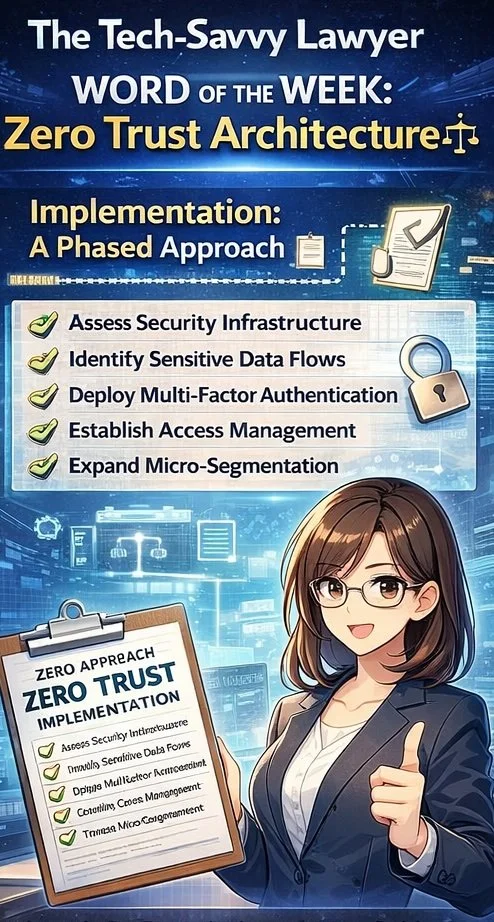
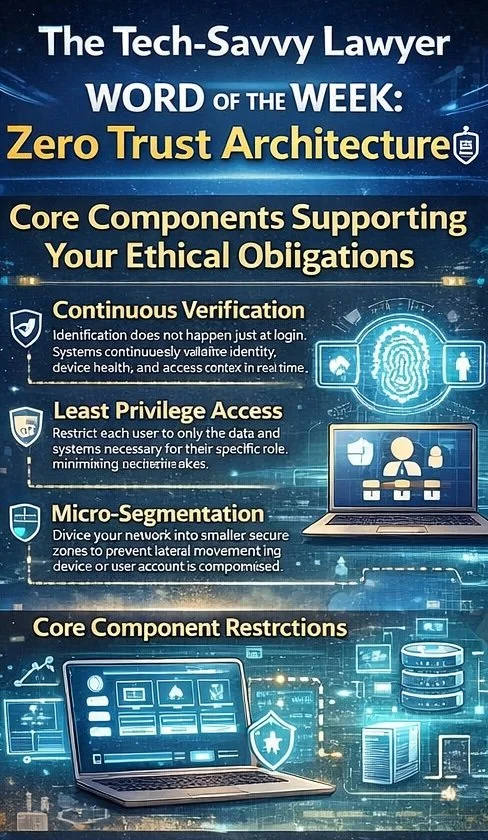
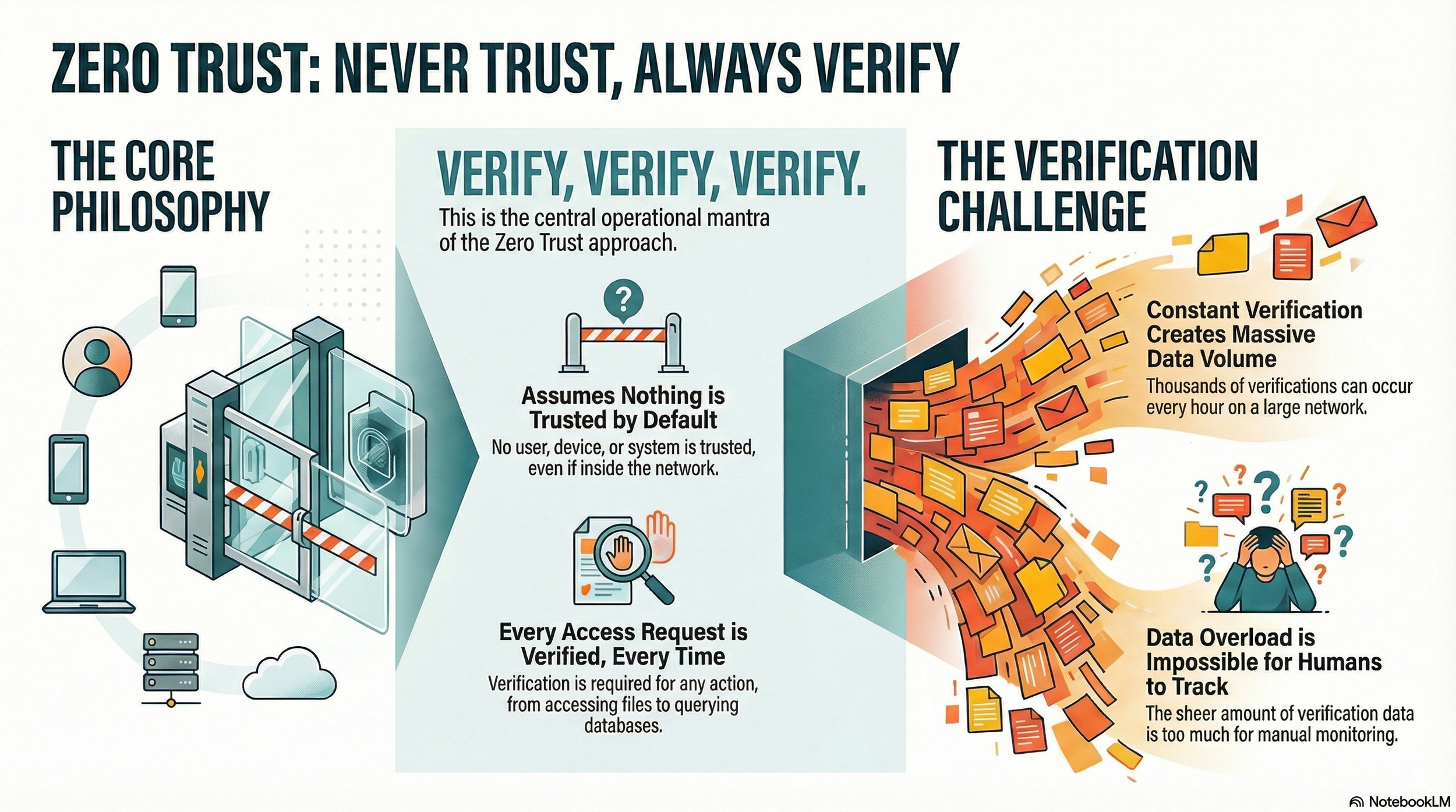
Government technology is in the middle of a historic shift. The Department of Veterans Affairs (VA) stands at the center of this transformation, moving from a check‑the‑box cybersecurity culture to a model of “cyber dominance” that fuses artificial intelligence (AI), zero trust architecture (a security model that assumes no user or device is trusted by default, even inside the network), and continuous risk management. 🔐
For lawyers who touch government work in any way—inside agencies, representing contractors, handling whistleblowers, litigating Freedom of Information Act (FOIA) or privacy issues, or advising regulated entities—this is not just an IT story. It is a law license story. Under the American Bar Association (ABA) Model Rules, failing to grasp core cyber and AI governance concepts can now translate into ethical risk and potential disciplinary exposure. ⚠️
Resources such as The Tech-Savvy Lawyer.Page blog and podcast are no longer “nice to have.” They are becoming essential continuing education for lawyers who want to stay competent in practice, protect their clients, and safeguard their own professional standing. 🧠🎧
Where Government Agency Technology Has Been: The Compliance Era 🗂️
For decades, many federal agencies lived in a world dominated by static compliance frameworks. Security often meant passing audits and meeting minimum requirements, including:
Annual or periodic Authority to Operate (ATO, the formal approval for a system to run in a production environment based on security review) exercises
A focus on the Federal Information Security Modernization Act (FISMA) and National Institute of Standards and Technology (NIST) security control checklists
Point‑in‑time penetration tests
Voluminous documentation, thin on real‑time risk
The VA was no exception. Like many agencies, it grappled with large legacy systems, fragmented data, and a culture in which “security” was a paperwork event, not an operational discipline. 🧾
In that world, lawyers often saw cybersecurity as a box to tick in contracts, privacy impact assessments, and procurement documentation. The legal lens focused on:
Whether the required clauses were in place
Whether a particular system had its ATO
Whether mandatory training was completed
The result: the law frequently chased the technology instead of shaping it.
Where Government Technology Is Going: Cyber Dominance at the VA 🚀
The VA is now in the midst of what its leadership calls a “cybersecurity awakening” and a shift toward “cyber dominance”. The message is clear: compliance is not enough, and in many ways, it can be dangerously misleading if it creates a false sense of security.
Key elements of this new direction include:
Continuous monitoring instead of purely static certification
Zero trust architecture (a security model that assumes no user, device, or system is trusted by default, and that every access request must be verified) as a design requirement, not an afterthought
AI‑driven threat detection and anomaly spotting at scale
Integrated cybersecurity into mission operations, not a separate silo
Real‑time incident response and resilience, rather than after‑the‑fact blame
“Cyber dominance” reframes cybersecurity as a dynamic contest with adversaries. Agencies must assume compromise, hunt threats proactively, and adapt in near real time. That shift depends heavily on data engineering, automation, and AI models that can process signals far beyond human capacity. 🤖
For both government and nongovernment lawyers, this means that the facts on the ground—what systems actually do, how they are monitored, and how decisions are made—are changing fast. Advocacy and counseling that rely on outdated assumptions about “IT systems” will be incomplete at best and unethical at worst.
The Future: Cybersecurity Compliance, Cybersecurity, and Cybergovernance with AI 🔐🌐
The future of government technology involves an intricate blend of compliance, operational security, and AI governance. Each element increasingly intersects with legal obligations and the ABA Model Rules.
1. Cybersecurity Compliance: From Static to Dynamic ⚙️
Traditional compliance is not disappearing. The FISMA, NIST standards, the Federal Risk and Authorization Management Program (FedRAMP), the Health Insurance Portability and Accountability Act (HIPAA), and other frameworks still govern federal systems and contractor environments.
But the definition of compliance is evolving:
Continuous compliance: Automated tools generate near real‑time evidence of security posture instead of relying only on annual snapshots.
Risk‑based prioritization: Not every control is equal; agencies must show how they prioritize high‑impact cyber risks.
Outcome‑focused oversight: Auditors and inspectors general care less about checklists and more about measurable risk reduction and resilience.
Lawyers must understand that “we’re compliant” will no longer end the conversation. Decision‑makers will ask:
What does real‑time monitoring show about actual risk?
How quickly can the VA or a contractor detect and contain an intrusion?
How are AI tools verifying, logging, and explaining security‑related decisions?
2. Cybersecurity as an Operational Discipline 🛡️
The VA’s push toward cyber dominance relies on building security into daily operations, not layering it on top. That includes:
Secure‑by‑design procurement and contract terms, which require modern controls and realistic reporting duties
DevSecOps (development, security, and operations) pipelines that embed automated security testing and code scanning into everyday software development
Data segmentation and least‑privilege access across systems, so users and services only see what they truly need
Routine red‑teaming (simulated attacks by ethical hackers to test defenses) and table‑top exercises (structured discussion‑based simulations of incidents to test response plans)
For government and nongovernment lawyers, this raises important questions:
Are contracts, regulations, and interagency agreements aligned with zero trust principles (treating every access request as untrusted until verified)?
Do incident response plans meet regulatory and contractual notification timelines, including state and federal breach laws?
Are representations to courts, oversight bodies, and counterparties accurate in light of actual cyber capabilities and known limitations?
3. Cybergovernance with AI: The New Frontier 🌐🤖